If you want a cleaner, safer home before the end of the month, the fastest path is to start tossing the items that quietly waste space or put your health at risk. From expired pantry staples to worn-out pool gear and basement clutter, each category below targets something you can confidently let go of now. Use this list as a room-by-room checklist so you finish the month with less junk and more breathing room.
1) Expired Pantry Staples
Expired pantry staples are one of the easiest things to throw away before the end of the month, because they directly affect food safety and how efficiently you use your kitchen. Guides to kitchen decluttering stress that items past their “best by” or “use by” dates can lose flavor, texture, and nutritional value, and some, like old oils or whole grains, can actually go rancid. Expert kitchen cleanout advice on expired food items notes that hanging on to stale or spoiled ingredients encourages you to overlook what you already have.
Clearing these staples now also helps you see what you truly use. When you remove expired flour, baking mixes, or forgotten cans, you reduce the chance of cooking with something that smells “off” or triggers digestive issues. The stakes go beyond taste, since spoiled products can harbor mold or bacteria. A monthly sweep of shelves and the back of the refrigerator, followed by composting what you can and recycling clean containers, keeps your food budget focused on ingredients you will actually cook with.
2) Overused Kitchen Sponges
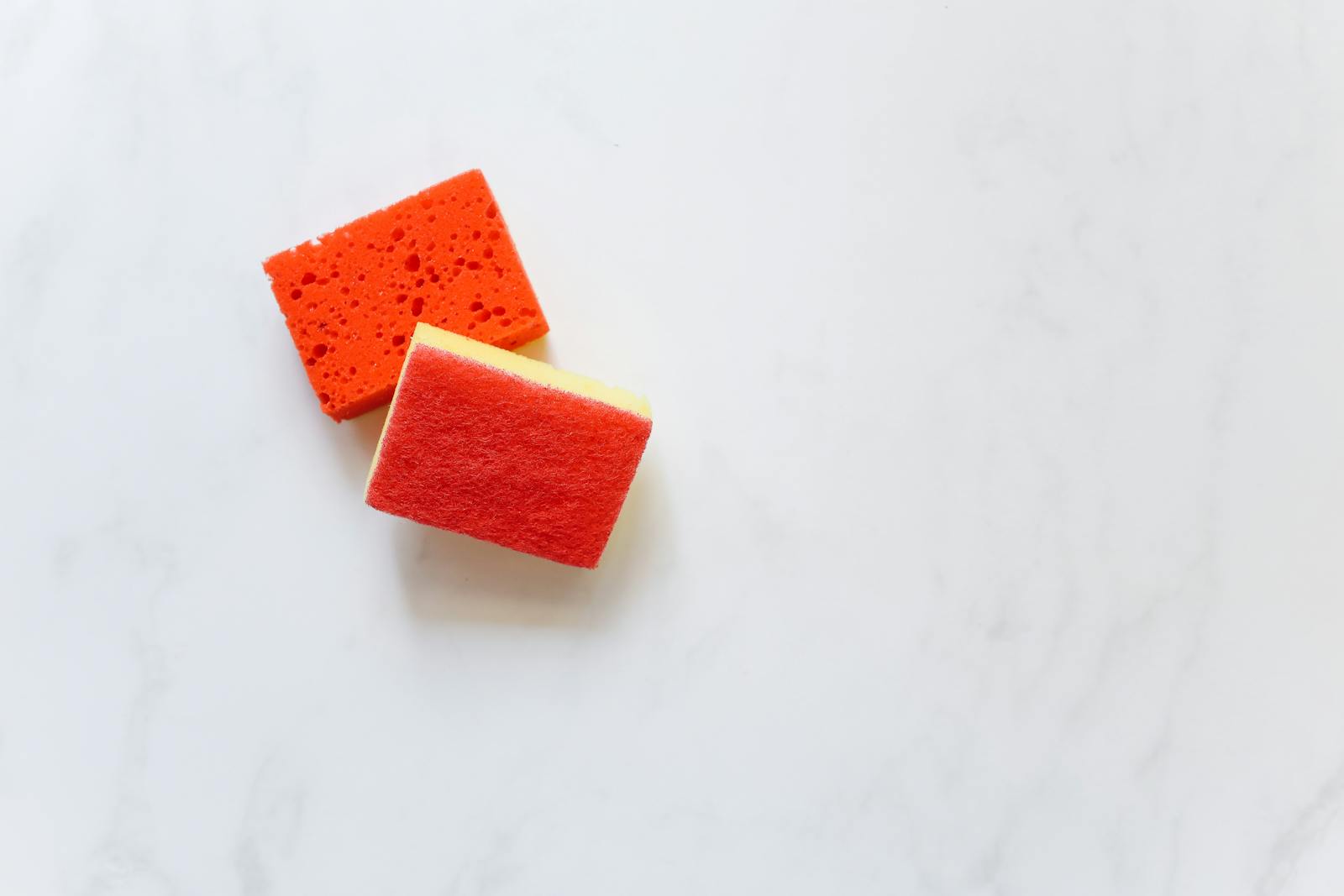
Overused kitchen sponges belong at the top of your toss list because they are notorious germ collectors. Cleaning experts point out that the porous material traps food particles and moisture, creating ideal conditions for bacteria to multiply. Kitchen safety rundowns that list Your sponge among the first Things in Your Kitchen You Need to Throw Away Now explain that even frequent rinsing or microwaving does not fully solve the problem once a sponge is heavily soiled or smells sour.
Replacing sponges regularly, instead of stretching them for months, cuts down on the risk of spreading contaminants from dishes to countertops and refrigerator handles. You can rotate in dishcloths that are washed on a hot cycle, or switch to silicone scrubbers that dry faster. The key is to treat sponges as semi-disposable tools, not permanent fixtures, so your daily cleanup actually leaves surfaces cleaner rather than coating them with a film of leftover germs.
3) Redundant Utensils and Gadgets
Redundant utensils and gadgets are another category you should clear out before the month ends, because duplicates quietly clog drawers and make everyday cooking harder. Practical organization advice on kitchen items to throw away urges you to Ditch extra plastic containers, pitted plastic, and stacks of mugs you never reach for, and Keep only the tools you truly love and use. The same logic applies to three identical spatulas, novelty slicers, or a second slow cooker that never leaves the shelf.
When you pare back to one reliable set of tongs, a single garlic press, and a manageable number of mixing bowls, you cut the time spent rummaging for what you need. That simplicity also reduces the temptation to buy more “solution” gadgets that promise to save time but end up buried. Donating duplicates that are still in good condition lets someone else benefit, while you reclaim storage space and make your kitchen feel calmer and more functional.
4) Worn-Out Pool Floats
Worn-out pool floats are not worth storing through another season, and they are prime candidates to toss before the end of the month. Seasonal pool maintenance advice explains that faded vinyl, slow leaks, and patched seams signal that floats are nearing the end of their life. Experts who list pool items to declutter emphasize that “they’re not worth storing” once they sag, deflate quickly, or have been left in the sun long enough to crack.
Keeping these bulky, damaged items in your garage or shed only eats up space you could use for winter gear or tools. There is also a safety angle, since a float that suddenly deflates under a child or guest can cause panic in the water. Before you pack away summer, inflate each float, check for leaks, and discard anything that does not hold air properly. Next year, you will start the season with a short, clear shopping list instead of a pile of half-usable inflatables.
5) Leftover Pool Chemicals
Leftover pool chemicals that are past their prime or improperly stored should be removed from your home, not pushed to the back of a shelf. Guidance on Expired pool chemicals explains that products can lose effectiveness or become unstable over time, which may lead to chemical reactions that cause fumes, leaks, or even small fires. That risk increases if containers are cracked, lids are loose, or different products have spilled and mixed.
Instead of gambling on whether last year’s chlorine or algaecide still works, check expiration dates and local hazardous waste rules. Many municipalities offer drop-off days for old chemicals so you can dispose of them safely. Clearing these containers now protects your family, pets, and storage areas from accidental exposure, and it ensures that when you open the pool again, you are working with fresh, predictable products that keep the water balanced without surprise side effects.
6) Outdated Holiday Decor
Outdated holiday decor in your basement is another category that deserves a firm deadline. Storage experts who catalog basement items to get rid of note that old artificial trees, tangled lights, and broken ornaments often sit untouched for years, taking up prime shelf space. When you know you will not display a chipped figurine or a faded wreath again, keeping it only adds to the visual noise and makes it harder to find the pieces you actually love.
Sorting these boxes before the end of the month lets you donate usable decor while it is still in season for someone else. It also reduces fire risks from frayed electrical cords and brittle plastic. As you edit, keep only the items that still match your current style and traditions, and label the remaining bins clearly. The next time a holiday rolls around, you will be able to decorate faster and with less stress, because every box contains something you are genuinely excited to unpack.
7) Rusted Basement Tools
Rusted basement tools are not just eyesores, they can be unsafe to use and should be on your discard list. Reporting on things to toss from your basement explains that Rust can weaken the metal, damage moving parts on power tools, and make your equipment difficult to use. Once corrosion has eaten into blades, hinges, or drill bits, they are more likely to snap or slip, which increases the chance of injury.
Protecting your tools is simple: bring vulnerable items into a drier space, oil them periodically, and store them off the floor. However, if you already have a bucket of rusted screwdrivers or a saw with a pitted blade, the safer move is to let them go. Clearing them out now frees up room for a smaller, well-maintained toolkit and prevents you from reaching for compromised equipment during your next project.
8) Expired Paints and Chemicals
Expired paints and chemicals in the basement can quietly turn into a hazard, which is why they belong on the list of things to throw away before the month ends. Detailed basement decluttering advice on things You shouldn’t store near furnaces and water heaters warns that volatile products can be damaged by temperature swings and may leak or off-gas over time. Old cans of paint, solvents, and adhesives are especially prone to rusted lids and separated contents.
Beyond the mess of a tipped-over can, the bigger concern is fumes and flammability in a confined space. Check labels for shelf life, look for bulging or corroded containers, and set aside anything that has hardened or separated beyond saving. Then contact your local waste authority for proper disposal instructions. Removing these leftovers reduces fire risk, protects indoor air quality, and opens up storage space for safer, clearly labeled supplies you actually plan to use.
9) Seasonal Summer Clothing
Seasonal summer clothing that you did not wear this year is a smart target for a September purge. Professional organizers who outline things to throw out in September recommend editing warm-weather wardrobes as the season changes, so you are not packing away items that no longer fit, feel comfortable, or match your style. Holding on to stacks of unworn shorts, sandals, and tank tops only crowds closets and makes it harder to see what you truly like.
Before the end of the month, pull everything you did not reach for and ask whether you would buy it again today. If the answer is no, set it aside for donation or textile recycling. This approach keeps your wardrobe current and prevents you from repeating the same “maybe next year” cycle. It also makes room for fall pieces you will actually wear, so your closet supports your daily routine instead of fighting it.
10) Old Back-to-School Items
Old back-to-school items, from half-used notebooks to broken crayons, are another category that clutters shelves long after their usefulness. Organizing checklists for September suggest tossing or recycling supplies that are outdated, heavily worn, or no longer match current needs, so students can start the year with a clean slate. The same guidance that highlights Compost spoiled or expired food and clear out containers also applies to paper and plastic in study spaces, where excess makes it harder to focus.
Go through backpacks, desks, and drawers, grouping what is still usable and discarding the rest. A few spare pens and folders are helpful, but piles of scribbled worksheets and dried-out markers are not. By editing now, you reduce visual distraction, make homework areas easier to maintain, and avoid last-minute shopping trips caused by assuming you have more functional supplies than you really do.
11) Subpar Hardware Purchases
Subpar hardware purchases, especially low-quality or expired products from big-box stores, can quietly undermine home projects and should be cleared out. Insider advice on Menards employees’ tips notes that some bargain-bin items, including adhesives, sealants, and clearance hardware, may be near the end of their shelf life or fail to perform as advertised. Holding on to these duds increases the odds that a repair will fail prematurely or that you will have to redo work.
Before the month ends, scan your shelves for warped caulk tubes, mystery fasteners, and off-brand products you already regret buying. If packaging is damaged, labels are missing, or you cannot remember what a product is for, it is safer to discard it than to experiment on a critical project. Streamlining your hardware stash to reliable, clearly labeled items saves time, reduces frustration, and helps ensure that future fixes actually last.
12) Unused Storage Containers
Unused storage containers in basements or garages are often the final layer of clutter hiding in plain sight. Home improvement guides that share Here are things you shouldn’t keep in these areas point out that plastic bins and cardboard boxes can trap moisture, attract pests, and conceal items you forgot you owned. When those containers are empty, cracked, or filled with random odds and ends, they stop being helpful and start acting as clutter magnets.
Sort through your stacks of totes and lids, matching sets you actually use and recycling or discarding the rest. If a bin has been sealed for years, open it and make quick decisions about its contents instead of shifting it yet again. By the end of the month, aim to keep only sturdy, clearly labeled containers that serve a defined purpose. Everything else can go, leaving your storage areas easier to navigate and far less overwhelming.
Leave a Reply