Retro cookware is having a full-scale comeback, as home cooks hunt down the exact pieces they remember from family kitchens. You are not just chasing nostalgia, you are looking for tools that feel solid, look distinctive, and perform in ways modern gear sometimes misses. These 10 retro cookware items are the ones people are most desperate to find again, from thrift stores and online auctions to new reissues that revive classic designs.
1) Vintage cast iron skillets with glass-smooth seasoning
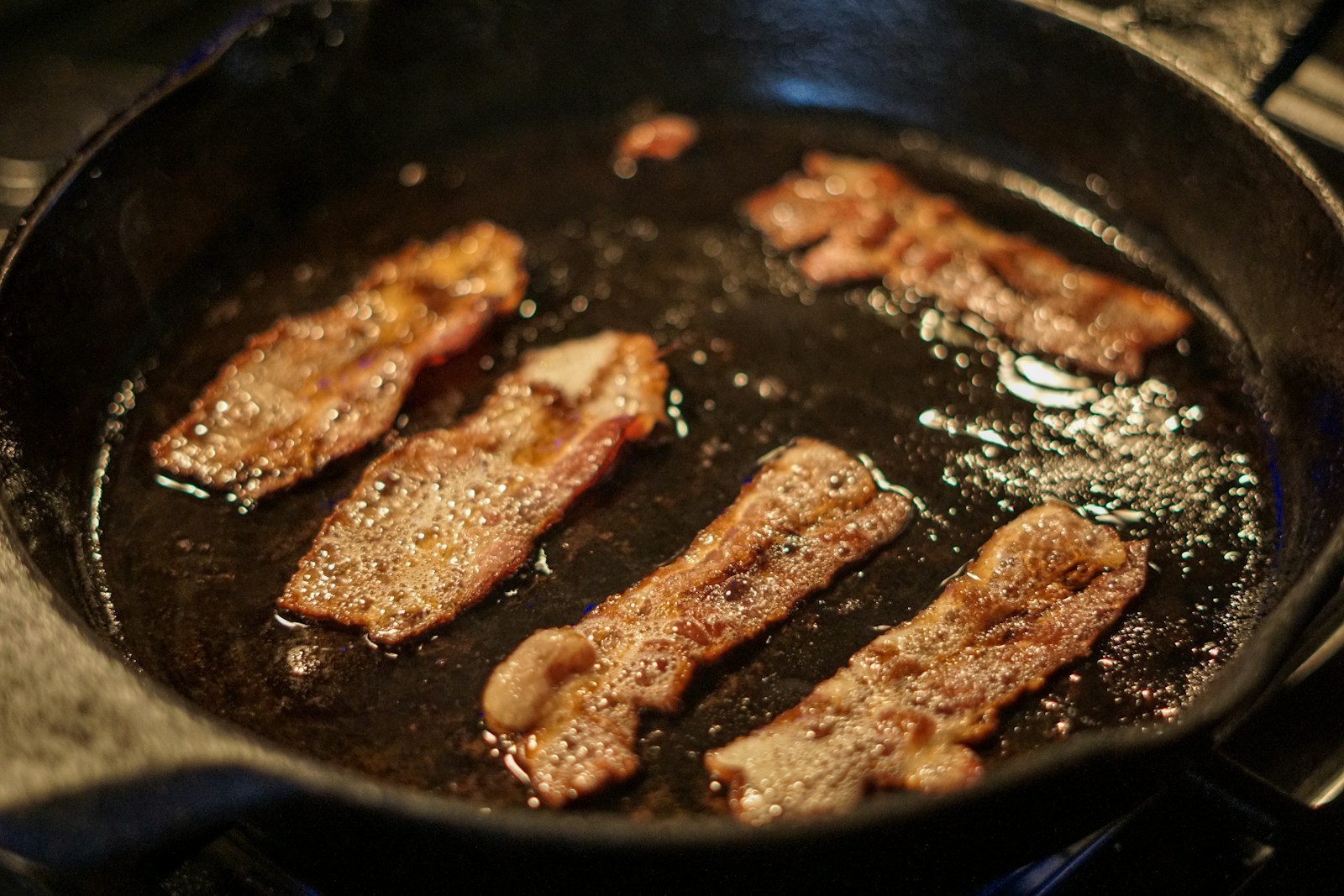
Vintage cast iron skillets are at the top of many wish lists because older pans were machined to a glass-smooth interior that you rarely see in modern mass production. Collectors specifically seek out mid‑century skillets from brands like Griswold and Wagner, which are known for lighter weight and finely ground cooking surfaces that can be seasoned to a near nonstick finish. That combination of thin walls and even heat makes it easier for you to sear steaks, fry eggs, or bake cornbread without hot spots or sticking.
People are willing to pay premium prices for these skillets on resale sites, and some specialty shops now focus almost entirely on restoring and reselling them. The demand reflects a broader shift toward durable, repairable cookware that can last for generations instead of a few years. When you choose a vintage cast iron skillet, you are buying into that longevity, along with a cooking feel that many home chefs say they cannot replicate with newer, rougher cast iron.
2) Mid‑century enameled Dutch ovens in bold colors
Mid‑century enameled Dutch ovens, especially in saturated oranges, reds, and blues, are another category people are desperate to track down. Earlier generations of these heavy, lidded pots were built with thick cast iron cores and durable enamel that could handle high oven heat and daily stovetop use. The bright finishes and rounded silhouettes fit seamlessly into retro‑inspired kitchens, while the weight and tight‑fitting lids give you the moisture retention you want for braises, stews, and no‑knead bread.
Collectors often search for specific colorways that were discontinued decades ago, which drives up prices and fuels online bidding wars. At the same time, the renewed interest in slow cooking and one‑pot meals makes these Dutch ovens practical workhorses, not just display pieces. When you invest in a mid‑century enameled Dutch oven, you are getting both a design statement and a tool that can move from stovetop to oven to table without missing a beat.
3) Pyrex mixing bowls and refrigerator dishes in vintage patterns
Pyrex mixing bowls and refrigerator dishes from the 1940s through the 1970s have become cult objects, especially in patterns like Gooseberry, Butterprint, and Primary Colors. These pieces were made from tempered glass that could go from fridge to oven, and the nesting bowl sets were designed so you could mix, serve, and store in the same containers. The refrigerator dishes, with their fitted glass lids, were early versions of the stackable storage systems you rely on today.
Collectors scour flea markets and estate sales for complete sets, and rare patterns can command surprisingly high prices. For you as a home cook, the appeal is not only visual, it is also about transparency and versatility, since you can see contents at a glance and safely reheat leftovers. The surge in interest has also highlighted how durable these older pieces are, with many families still using Pyrex that has already seen several generations of daily cooking.
4) CorningWare casserole dishes with blue cornflower motifs
CorningWare casserole dishes with the classic blue cornflower motif are another retro staple people are eager to reclaim. These hybrid glass‑ceramic dishes were engineered to handle direct heat on the stovetop as well as baking in the oven, which made them unusually flexible compared with typical stoneware. The familiar white body with three blue flowers became a visual shorthand for weeknight casseroles, potlucks, and holiday sides in countless households.
Today, you see strong demand for the original shapes and lids, especially the medium and large sizes that fit standard recipes. Fans appreciate that these dishes can move from freezer to oven and then straight to the table without looking out of place. For you, owning a blue cornflower CorningWare piece means having a single vessel that can handle prep, cooking, and serving, while also tapping into a shared memory of mid‑century home cooking.
5) Revere Ware copper‑bottom saucepans and stockpots
Revere Ware copper‑bottom saucepans and stockpots, especially those produced in the mid‑20th century, are prized for their combination of stainless steel interiors and thin copper bases. The copper layer helps spread heat quickly and evenly, while the stainless steel provides a non‑reactive surface that is easy to clean. Distinctive details like the rounded black handles and stamped logos make it simple for you to identify older pieces that many cooks consider superior to later versions.
As induction cooktops and precise temperature control become more common, some people still prefer the responsive feel of these copper‑bottom pans on gas or electric coils. The renewed interest in making sauces, custards, and delicate reductions at home has also pushed more buyers to seek out pans that react instantly when you adjust the burner. When you track down a vintage Revere Ware saucepan, you are choosing a tool that rewards attention and technique with consistent results.
6) Club Aluminum pastel pots and pans
Club Aluminum pots and pans in soft pastel shades like turquoise, pink, and yellow have become highly collectible for their distinctive look and surprisingly solid performance. These mid‑century pieces used thick cast aluminum bodies that heat quickly and distribute warmth evenly, which helps you avoid scorching sauces or unevenly cooked grains. The matching lids and color‑coordinated handles give your kitchen a cohesive retro aesthetic that modern minimalist designs often lack.
Many people remember these sets from grandparents’ kitchens, which adds emotional weight to the current hunt for intact collections. While bare aluminum is not ideal for every cooking task, careful use and handwashing can keep these vintage pieces in regular rotation. If you are drawn to both function and style, a set of Club Aluminum cookware lets you lean into nostalgia while still putting dinner on the table efficiently.
7) Dansk Kobenstyle enamel pans with sculptural handles
Dansk Kobenstyle enamel pans, recognizable by their sculptural handles and cross‑shaped lids, are among the most design‑driven retro cookware items people chase. Originally created in the mid‑20th century, these pans feature enameled steel bodies that are relatively light yet capable of steady simmering and gentle braising. The lid doubles as a trivet, so you can bring a bubbling dish straight to the table and rest it on its own top, a detail that still feels clever and modern.
Collectors often look for original colors like teal, mustard, and bright red, which can be hard to find in good condition. For you, the appeal lies in how these pans bridge the gap between cookware and serveware, eliminating the need to transfer food into a separate dish for presentation. The ongoing demand shows how strongly people respond to cookware that solves practical problems while also acting as a centerpiece on the dining table.
8) Vintage pressure cookers with heavy locking lids
Vintage pressure cookers with heavy locking lids and weighted jiggler valves are another category that inspires intense searching, especially among canners and batch cooks. These older models were built with thick aluminum or stainless steel walls and robust gasket systems that could maintain steady pressure for long periods. The audible rocking of the weight made it easy for you to monitor pressure without constantly checking a gauge, a feature many experienced users still prefer.
While modern electric pressure cookers offer convenience, they do not always reach the same pressures or capacities as large stovetop models. People who preserve vegetables, beans, and meats at home often seek out specific vintage brands and sizes that match tested canning guidelines. If you are serious about long‑term food storage or fast scratch cooking, a well‑maintained vintage pressure cooker can feel like an indispensable piece of equipment.
9) Fire‑King jadeite mugs and baking dishes
Fire‑King jadeite mugs and baking dishes, made from opaque green glass, have become icons of retro kitchen style. These pieces were originally marketed as affordable, everyday ware, but the distinctive milky green color and sturdy feel have turned them into sought‑after collectibles. You can find everything from simple coffee mugs to loaf pans and pie plates, all sharing that same recognizable shade that photographs beautifully and stands out in open shelving.
As more people share kitchen photos online, jadeite has gained a second life as a visual signature for vintage‑inspired cooking spaces. The pieces are heavy enough to feel substantial in your hand, yet they are still practical for baking and serving. When you track down Fire‑King jadeite, you are not only adding a pop of color, you are also bringing in cookware that can move from oven to table while anchoring the room’s entire look.
10) Spun aluminum Bundt and specialty cake pans
Spun aluminum Bundt and specialty cake pans, including intricate ring and cathedral shapes, are high on the list for bakers who love retro desserts. Earlier pans were formed from relatively light aluminum that heats quickly and releases cakes cleanly when properly greased and floured. The detailed ridges and curves create dramatic silhouettes that you can showcase with a simple glaze or dusting of powdered sugar, without elaborate decorating skills.
Many of the most interesting designs were produced in limited runs, which makes surviving examples especially desirable for collectors and serious home bakers. As interest in vintage recipes and heritage baking grows, these pans let you recreate the exact textures and shapes those recipes were written for. Owning a classic spun aluminum Bundt pan gives you a reliable way to turn everyday batter into a centerpiece dessert that feels timeless and celebratory.
Leave a Reply