Before TikTok color-coding fridges and decanting cereal, people relied on slower, sturdier organizing habits that were built to last. Those retro systems still beat most viral hacks because they respect how your brain, schedule, and space actually work. If you are tired of “aesthetic” clutter that falls apart in a week, these old-school strategies can quietly out-perform the trendiest organizing videos.
1) The family command center on the wall
The family command center, usually a wall calendar paired with a bulletin board, keeps every schedule and paper in one visible place. Instead of scattering reminders across apps, you post school forms, appointment cards, and menus where everyone can see them at a glance. That single hub reduces missed deadlines because you are not relying on each person to check a different digital tool. It also works when phones die, Wi‑Fi drops, or a family member is not on the same app.
Compared with TikTok routines that live inside one person’s phone, a shared wall system makes responsibilities transparent. Kids can track their own activities, partners can see when you are booked, and visitors can quickly understand house rhythms. The stakes are practical: fewer double-booked evenings, smoother childcare handoffs, and less mental load on the person who usually “remembers everything.” A simple corkboard, dry-erase calendar, and a cup of pens will outperform most elaborate digital dashboards.
2) A physical inbox for every piece of paper
The classic in-tray on a desk, once standard in offices, still solves a problem TikTok rarely addresses: where every new paper goes the second it enters your home. Instead of dropping mail, permission slips, and receipts on random surfaces, you drop them into one labeled inbox. That single capture point prevents piles from spreading across the kitchen, coffee table, and nightstand, which is usually what happens when you rely on “I’ll deal with it later” piles.
Once a day or once a week, you empty the inbox in a short processing session, deciding whether to pay, file, shred, or act. This habit matters because it separates “collecting” from “deciding,” which reduces decision fatigue and procrastination. Trendy hacks often focus on cute file folders or color schemes, but without a reliable intake step, those systems never stay full or accurate. A boring plastic tray, used consistently, will keep your counters clearer than any aesthetic mail-sorting reel.
3) The one-in, one-out rule for stuff
The one-in, one-out rule, long used by minimalists and small-space dwellers, keeps clutter from growing in the first place. Every time you bring home a new item in a category, you commit to letting one similar item go. Buy a new pair of jeans, donate or recycle an old pair. Add a mug, remove a mug. This simple equation keeps drawers and closets at a stable volume instead of slowly overflowing until you need a massive declutter.
Unlike TikTok “reset” videos that tackle mess after it appears, one-in, one-out is preventive. It forces you to weigh each purchase against what you are willing to give up, which naturally curbs impulse buys. The stakes are financial and emotional: fewer duplicate items, less money spent on storage, and less guilt about unused things. Over time, your home becomes a curated collection of what you actually use, not a museum of every sale you ever scored.
4) Weekly reset day instead of constant micro-hacks
Before daily “Sunday reset” videos, many households already had a weekly cleaning and organizing day. The retro version is simple: pick a consistent time each week to reset the house to baseline. You clear surfaces, process laundry, empty the inbox, and restock essentials like toilet paper and pantry staples. Instead of chasing perfection every night, you rely on this standing appointment to catch what slipped during busy days.
This habit outperforms scattered TikTok hacks because it creates a predictable rhythm. You know that even if the week gets chaotic, there is a built-in moment to restore order. That reduces anxiety and makes it easier to tolerate short-term mess without spiraling. It also helps families coordinate chores, since everyone can plan around a known reset window. Over months, the consistency of a weekly reset matters more than any single clever folding trick or labeling idea.
5) Label makers and plain text over aesthetic bins
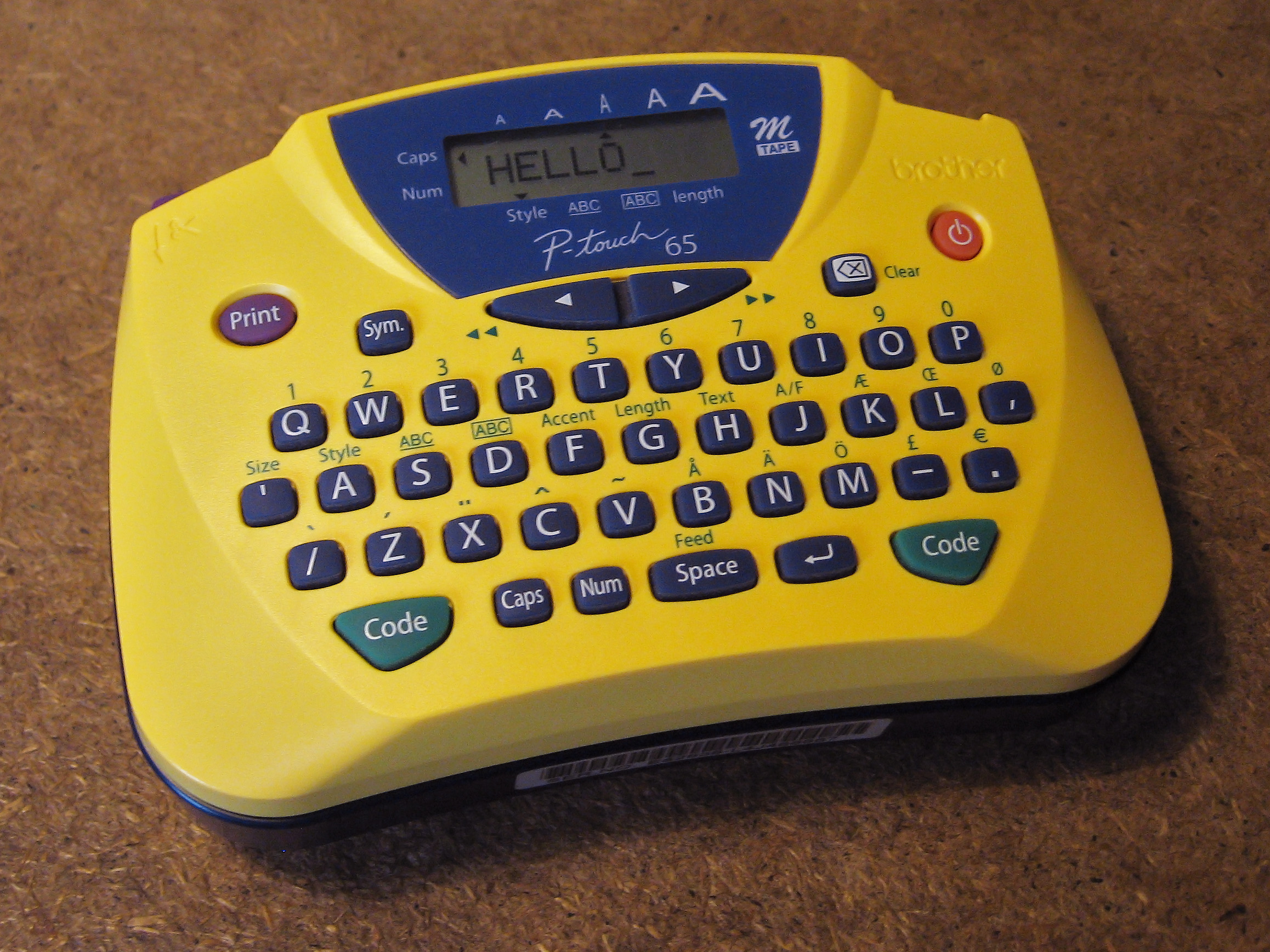
Old-school label makers, with their simple black-on-white text, solve a problem that many TikTok pantries ignore: you need to know what is inside a container at a glance. Instead of relying on clear bins or decorative tags that are hard to read, you print straightforward labels like “PASTA,” “FIRST AID,” or “WINTER HATS.” That clarity helps every member of the household put things back correctly, not just the person who set up the system.
Plain labels also make it easier to adjust as your life changes. You can peel and reprint when a kid outgrows toys or you change diets, without redoing an entire color scheme. The stakes are daily efficiency and shared responsibility. When storage is clearly labeled, guests can help clean up, kids can find their own supplies, and partners are not constantly asking where things go. A cheap label maker often delivers more long-term order than a wall of matching acrylic bins.
6) The classic “landing zone” by the door
The landing zone, usually a small table or shelf near the front door, has long been a staple in organized homes. It gives your keys, wallet, bag, and incoming packages a predictable home the moment you walk in. Instead of dropping items wherever you happen to pause, you build a muscle memory loop: walk in, place things in the same spot, and avoid frantic searches when you leave again.
Compared with TikTok hacks that scatter storage across multiple “cute” spots, a single landing zone reduces lost items and late departures. Hooks for coats, a tray for keys, and a basket for mail are often enough. The impact is bigger than it looks: fewer missed buses, calmer school mornings, and less tension over misplaced essentials. When everyone in the household uses the same landing zone, you also cut down on “Have you seen my…?” conversations that drain time and patience.
7) The old-fashioned tickler file for time-sensitive tasks
The tickler file, a set of 31 daily folders and 12 monthly folders, was once a standard tool in paper-heavy offices. You drop each time-sensitive document into the folder for the day or month when you need to see it again, such as a renewal notice or field trip form. Each morning, you open that day’s folder and handle what is inside, then move the folder to the back of the stack so the cycle continues.
While many apps try to replicate this, a physical tickler file still shines for paper-based tasks that get lost in digital reminders. It keeps deadlines visible without cluttering your desk or fridge, and it separates “someday” papers from what truly matters this week. The stakes are missed fees, expired forms, and last-minute scrambles. For households juggling school paperwork, medical follow-ups, and recurring bills, this analog system can quietly outperform a dozen notification-heavy apps.
8) Seasonal deep-clean and declutter sessions
Seasonal cleaning, often tied to spring or fall, predates social media by generations. The habit is simple: once each season, you pull items out of closets, cabinets, and storage, then clean, edit, and reorganize before putting things back. Instead of waiting for a crisis-level mess, you schedule a thorough review of what you own and how you are using it. That cadence keeps hidden clutter from building up behind closed doors.
Unlike quick TikTok “before and after” clips, seasonal sessions acknowledge that some projects require real time and focus. You might swap wardrobes, rotate kids’ toys, or check expiration dates in the pantry. The stakes are health, safety, and sanity: fewer expired foods, less dust and allergens, and more accurate awareness of what you already have. Over years, this rhythm prevents the kind of overwhelming accumulation that eventually demands a full weekend or professional help to undo.
9) A household binder with everything important
The household binder, often kept in a kitchen cabinet or home office, gathers essential information in one grab-and-go place. You store appliance manuals, insurance details, emergency contacts, school calendars, and key account numbers in clearly divided sections. Instead of hunting through email, apps, and junk drawers, you flip to the right tab and find what you need in seconds, even if the internet is down or your phone is missing.
This retro habit outperforms many digital-only systems during stressful moments. If someone needs to take a child to urgent care, a neighbor is feeding pets, or you must file a claim, the binder becomes a low-tech command manual for your life. The stakes are highest in emergencies, when you do not have time to reset passwords or scroll through old messages. A three-ring binder with sheet protectors can quietly provide more resilience than any trending “life admin” app.
10) The nightly five-minute tidy
The five-minute tidy, often taught long before social media, is a short, focused reset at the same time every evening. You set a timer, walk through key rooms, and put items back where they belong without trying to deep-clean. Toys go in bins, dishes into the dishwasher, blankets folded, counters cleared. Because the session is brief and predictable, it is easier to start and easier to involve kids or roommates.
Compared with elaborate TikTok cleaning routines, this tiny habit relies on consistency rather than intensity. It keeps visual clutter from snowballing overnight, so mornings start in a calmer space. The stakes are your mood and motivation: waking up to a reasonably tidy home makes it easier to cook breakfast, get dressed, and leave on time. Over months, those five-minute investments compound into a home that rarely needs a dramatic “reset” because it never drifts too far from order.
Leave a Reply