Charity bins and thrift store drop-offs feel like the opposite of waste, yet a surprising share of what people give away is quietly thrown out. When donations are stained, unsafe, or simply unsellable, they move straight from the back room to the dumpster, adding to landfills instead of helping anyone. I walk through ten common items that are far more likely to end up in the trash than on a sales rack, and what to do instead.
1) Stained or Torn Clothing
Stained or torn clothing is one of the most common donations that goes straight into the garbage. Staff and volunteers are instructed to reject Worn, ripped, or badly faded garments because they cannot be sold at a Thrift Store and violate basic quality standards set out in lists of Things You Should Never Donate. When bags arrive packed with damaged pieces, workers must sort and bag them again for disposal, which costs time and trash fees.
The stakes are bigger than a single T-shirt. Once stained or torn items are mixed into donation streams, they can contaminate otherwise good stock, slow down processing, and push more usable clothing toward the dumpster. Guidance that explains the Reasons Why certain items are refused stresses that They will just sit on shelves or be trashed, so I recommend cutting up ruined clothes for rags or using textile recycling programs instead of donating them.
2) Worn-Out Shoes
Worn-out shoes follow a similar path, even when donors imagine someone will be grateful for “anything.” Reporting on what really happens to donated clothes shows that footwear in poor condition fails quality checks at sorting centers and is diverted into waste streams rather than redistributed. Soles that are separating, insoles soaked with sweat, or sneakers with deep odors cannot be cleaned to resale standards, so they are baled with other rejects or landfilled outright.
Once shoes are too degraded for resale, they also lose value for export markets that buy secondhand bales, which means they are more likely to be dumped in open landfills abroad. That pattern turns a well-intentioned donation into part of a global trash problem. I advise checking tread, structure, and smell before donating, and sending truly worn pairs to specialized shoe recycling or brand take-back programs instead.
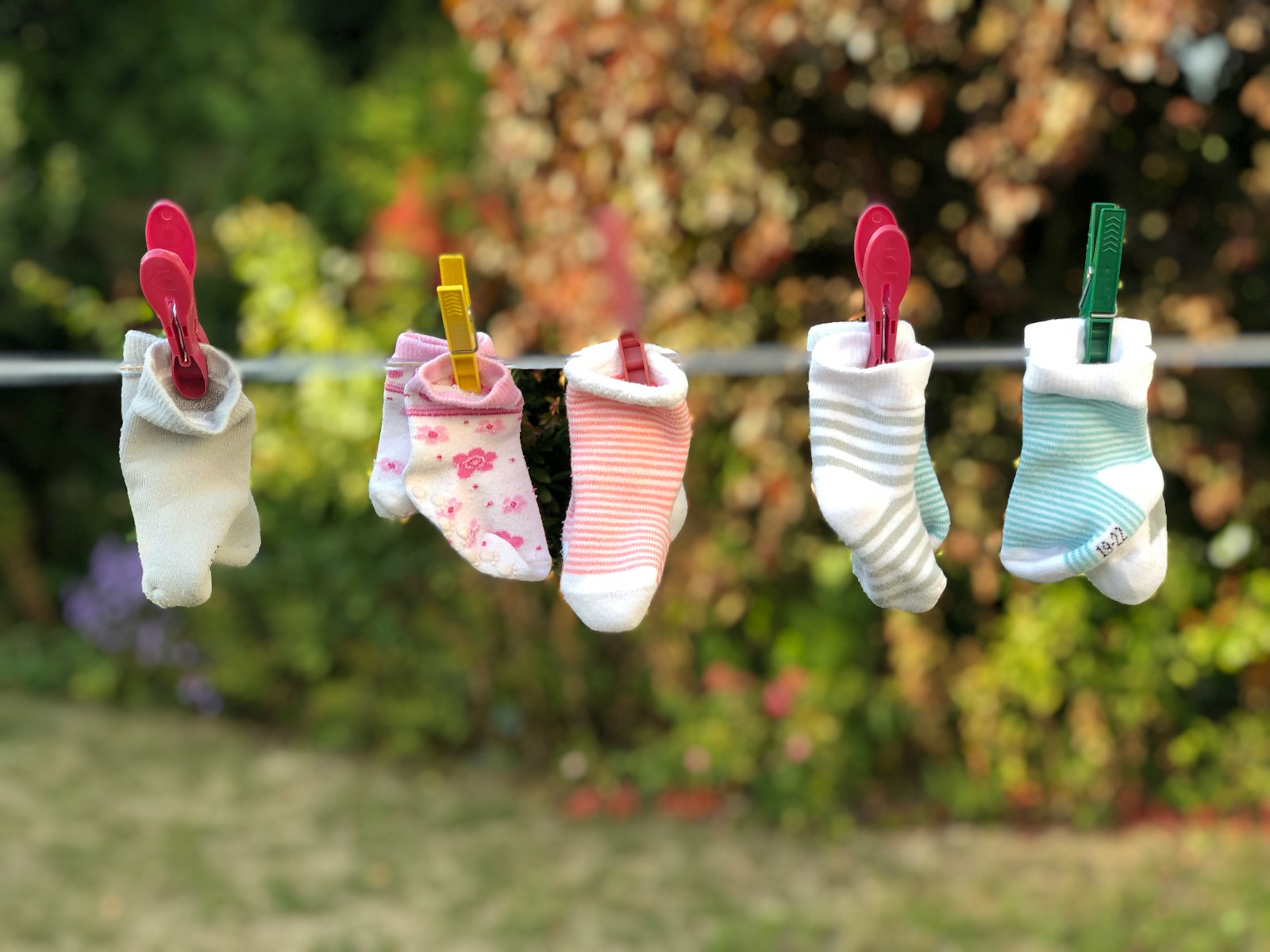
3) Underwear and Socks
Underwear and socks are essential items for people in need, yet most general thrift stores quietly discard them when they arrive in donation bags. Guides on best places to donate clothes explain that intimate apparel is typically not accepted because of hygiene rules and customer expectations, especially when it is used or unsealed. Once mixed into general clothing donations, these pieces are pulled during sorting and thrown away.
The result is a frustrating loop, where donors think they are helping but organizations absorb the disposal burden instead. Some targeted outlets, such as shelters that request new packaged underwear or sock-specific drives, can use these items effectively, but only when they are new and clearly labeled. I suggest checking each charity’s list of accepted goods and buying fresh multi-packs when you want to support people who need basics.
4) Broken Household Items
Broken household items, from chipped dishes to non-functioning blenders, are another category that almost always ends up in the trash. Advice on 5 items not donating notes that damaged goods belong on lists of Things You Should Never Donate because They will just end up sitting on the shelves or in the trash. Cracks, missing parts, or frayed cords make these items unsafe or unsellable, so staff have no choice but to discard them.
When donors offload broken items, they shift disposal costs onto charities that already operate on thin margins. Sorting, testing, and then paying to trash unusable goods drains resources that could support programs or maintain stores. I recommend either repairing items before offering them on local “buy nothing” groups, or using municipal bulky-waste and electronics recycling services instead of donation bins.
5) Outdated or Recalled Products
Outdated or recalled products, especially toys and electronics, are legally barred from resale and therefore destined for the dumpster once they reach a thrift store. Detailed guidance on 13 things you can’t donate stresses that Selling recalled or defective goods is strictly illegal under federal law, specifically the Consumer Product Safety Improvement Act, or CPSIA. When staff identify a recalled model or see an expired safety label, they must pull it from circulation.
That legal backdrop means expired car seats, drop-side cribs, and certain electronics cannot be passed along “just in case someone can use them.” Instead, they are trashed or, at best, stripped for limited recycling. Donors who want to avoid adding to landfill should check recall databases and manufacturer guidance before donating, and follow official disposal instructions for any product flagged under CPSIA rules.
6) Perishable or Used Toiletries
Perishable or used toiletries, including opened Beauty Products, half-used shampoo, and expired sunscreen, are almost never accepted and frequently go straight into the garbage. Lists of items most thrift stores won’t accept highlight that liquids and creams pose hygiene and contamination risks, and they are difficult to display safely. Once a bottle has been opened, staff cannot verify what is inside or whether it is still safe to use.
These products also create messy leaks that can ruin otherwise good donations in the same box or bag. Some organizations will accept new, sealed toiletries for hygiene kits, but they typically refuse anything used or expired. I suggest checking local mutual aid groups, which sometimes redistribute unopened surplus, and otherwise following household hazardous waste guidance for disposal of old cosmetics and cleaners.
7) Mattresses and Bedding with Stains
Mattresses and bedding with stains are among the most problematic donations, because they raise immediate concerns about bedbugs, mold, and bodily fluids. Advice on things you can’t donate explains that Some items pose safety, legal, or logistical challenges for donation organizations, and stained bedding fits all three. Health codes and internal policies usually require staff to reject or discard any mattress or pillow that shows visible soiling.
Once these bulky items arrive, they are expensive to handle and difficult to recycle, so they often end up in landfills where, as guides on landfill persistence note, they can take years to break down. Donors who want to avoid that outcome should look for mattress recycling programs, which dismantle springs and foam, or arrange municipal bulky-item pickup that routes materials to specialized facilities when available.
8) Excess Fast Fashion Garments
Excess fast fashion garments, especially ultra-cheap, trend-driven pieces, are flooding donation streams and overwhelming sorting systems. Investigations into the things you’re donating that end up in the trash show that Today, charities receive far more clothing than they can sell, and low-quality items are the first to be culled. Thin fabrics, distorted seams, and dated prints make these pieces hard to move even at rock-bottom prices.
Once domestic stores cannot sell them, bales of unsellable fast fashion are shipped to overseas markets, where a significant share is dumped in open landfills or burned. That pattern turns overconsumption into an international waste issue. I encourage people to buy fewer, better-made garments, resell current-season items quickly, and use textile recycling for anything that is already stretched, pilled, or misshapen.
9) Children’s Car Seats
Children’s car seats are a classic example of a well-meaning donation that usually ends up in the trash. Safety experts and donation guides on decluttering worn items emphasize that once a seat is expired, involved in a crash, or missing labels, it should not be reused. Thrift stores and charities typically refuse them outright because they cannot verify crash history or guarantee compliance with current standards.
Liability concerns are high, since a compromised seat can fail in a collision with catastrophic consequences. As a result, many donated car seats are stripped of fabric and metal where local recycling exists, and the rest is discarded. Parents should check manufacturer take-back programs or local recycling events that specifically accept car seats, rather than dropping them at general donation centers.
10) Hazardous Materials like Paint or Batteries
Hazardous materials like paint, solvents, and batteries are never appropriate for thrift donations and often end up in the trash when people drop them off anyway. Guides on hazardous household waste stress that Hazardous items, including leftover paint and motor oil, should not go in regular trash, and County programs typically run designated drop-off sites instead. Thrift staff are not equipped to store or process flammable or toxic substances.
When these materials arrive in donation boxes, workers must scramble to isolate them and arrange special disposal, which can be costly and risky. Batteries that are tossed in general trash can leak or spark fires in collection trucks and landfills. I recommend using municipal hazardous waste days, retailer battery take-back bins, and paint stewardship programs so these materials are handled safely from the start.
Leave a Reply