Grandma’s house might have felt old-fashioned, but many of her decorating rules were quietly smart, sustainable, and surprisingly on trend. As “grandma aesthetics” surge back into style, you can borrow her best habits to create a home that feels warm, personal, and enduring instead of disposable. Use these vintage rules as a guide to edit what you keep, what you display, and what you finally let go.
1) Treat heirlooms as everyday workhorses, not museum pieces
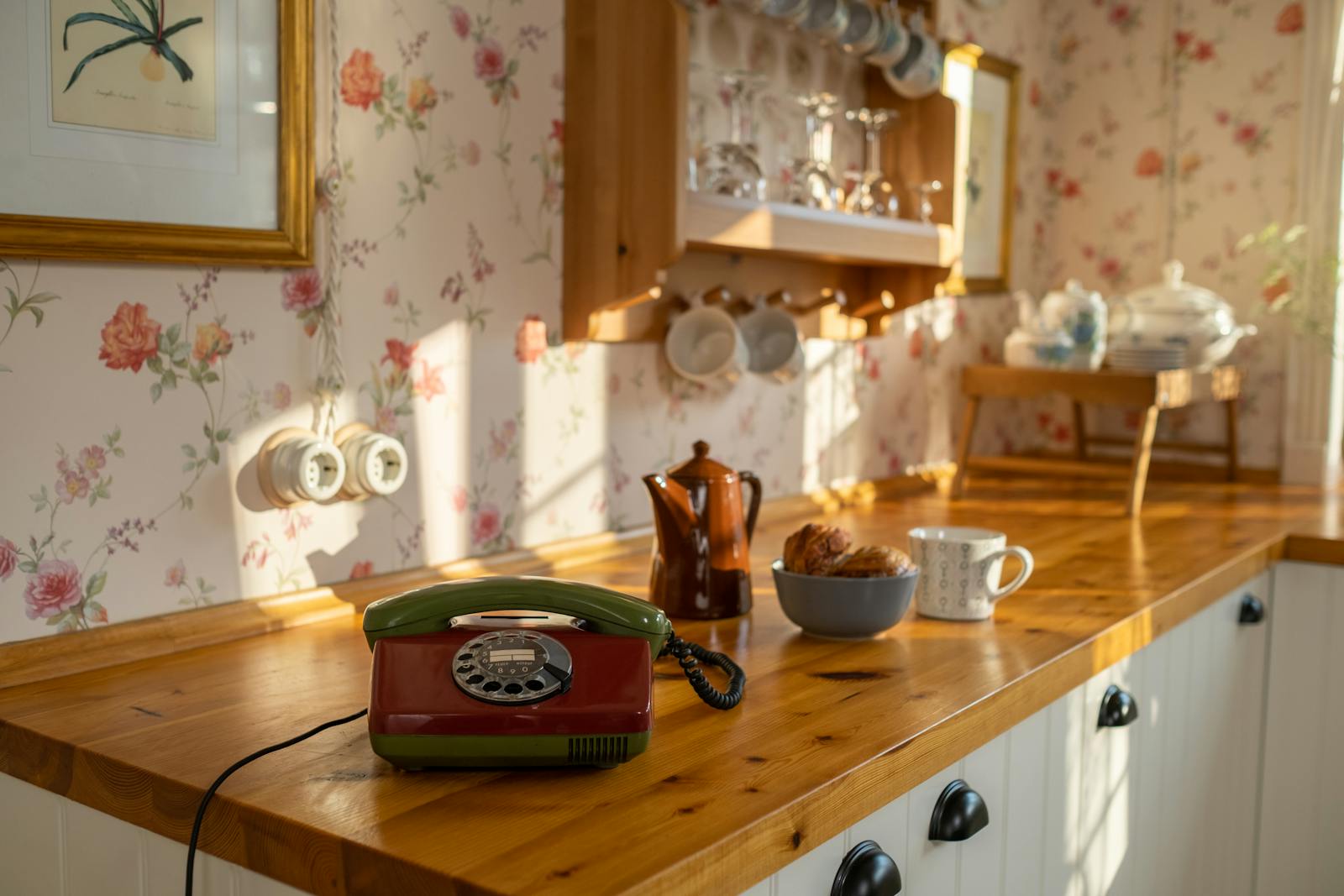
Grandma’s rule that heirlooms should be used, not just admired, still works in a modern home. Instead of locking away silver, china, or old serving pieces, you can put them to work on your table or shelves so they earn their space. Many of the most valuable vintage finds hiding in older homes, from jewelry to decorative objects, are things that were once used daily, which is why they survived. When you treat heirlooms as functional decor, you honor their history and make your rooms feel layered rather than staged.
That approach matters financially as well as emotionally. Several categories of vintage finds from grandma’s house are now sought after by collectors, precisely because they still work and look good in everyday life. When you rotate those pieces into regular use, you can spot damage early, keep them in circulation, and decide which ones deserve extra care. The result is a home that looks collected over time, not shopped in a weekend, and a family culture that actually lives with its history.
2) Invest in solid wood furniture that can be repaired
Another rule your grandmother likely followed was buying sturdy wood furniture once and then repairing it as needed. Solid wood tables, dressers, and chairs can be refinished, reupholstered, or tightened up instead of heading to the curb. That mindset is the opposite of today’s flat-pack culture, yet it aligns with how many older pieces have quietly gained value. Some of the most desirable items in older homes are substantial furnishings that still function beautifully, even if the finish or fabric has changed over the decades.
Thinking this way turns decorating into long-term stewardship rather than constant replacement. When you choose a heavy oak sideboard or maple dining table, you are betting that it will outlast trends and hold up to daily use. Lists of valuable items in a grandmother’s house often highlight furniture categories that were built to last, not just to look good in photos. By following that rule now, you reduce waste, save money over time, and create a home that feels grounded and substantial.
3) Let the kitchen show, not hide, your best pieces
Grandma’s kitchen rarely hid everything behind flat, minimalist fronts. Instead, she treated the room as a stage for her favorite cookware, serving bowls, and canisters. That instinct turns out to be smart, because many of the items that now command attention from collectors are the very things that once sat on open shelves or countertops. When you display your best pieces, you are more likely to use them, care for them, and notice when they need a gentle clean or repair.
Some of the most coveted items in a grandmother’s kitchen are everyday tools and containers that were always within reach. Following that rule today might mean hanging copper pots, lining up mixing bowls, or stacking patterned plates where you can see them. The visual payoff is a kitchen that feels warm and lived in, and the practical benefit is that you actually reach for what you own instead of letting it languish in a cabinet.
4) Edit ruthlessly so only the best vintage stays
For every charming heirloom your grandmother kept, there were plenty of items she quietly passed along, donated, or tossed. That editing instinct is crucial now that vintage style is trending again. Not every old object deserves a place in your home, and some categories of dated decor can drag a room down or even pose safety issues. Learning to distinguish between pieces with real character and those that are simply worn out keeps your rooms from feeling like a storage unit.
Modern guidance on vintage items you need to get rid of echoes that older rule: keep what still functions, sparks joy, or carries clear sentimental or design value, and let the rest go. When you apply that filter, the vintage pieces you do keep have room to breathe and shine. The stakes are high for small spaces in particular, where every object affects how calm or cluttered a room feels, and where a few strong pieces will always beat a crowd of mediocre ones.
5) Mix patterns and textures with quiet confidence
Grandma rarely worried about matching every fabric or finish perfectly, and that relaxed approach to pattern mixing is now a hallmark of cozy interiors. Floral curtains, checked tablecloths, and embroidered cushions often lived side by side, unified by a shared color family or mood rather than a strict set. That rule works because it creates visual interest and softness, especially in rooms that might otherwise feel boxy or cold. When you repeat one or two colors across different prints, the eye reads the room as harmonious, not chaotic.
Designers who analyze why grandma aesthetics are trending point to this layered, tactile quality as a major reason people are drawn back to it. In a world of screens and smooth surfaces, textured fabrics and varied patterns make spaces feel human and comforting. The implication for your own home is clear: you can borrow that rule by pairing stripes with florals, or quilts with velvet, as long as you keep an eye on color balance and scale.
6) Keep a few timeless kitchen workhorses in rotation
Many grandmothers relied on a small set of kitchen tools and serving pieces that did almost everything. Heavy mixing bowls, cast-iron pans, and durable glassware were chosen once and then used for decades. That rule of sticking with proven workhorses still pays off, because it reduces clutter and ensures that what you own can handle daily life. When you invest in a few well-made basics, you do not need a gadget for every task, and your shelves stay calmer and more intentional.
Modern roundups of pieces from your grandma’s kitchen to keep highlight exactly this kind of enduring tool. These items often have simple silhouettes and neutral finishes, which makes them easy to blend into contemporary decor. The broader trend toward cooking at home and entertaining casually means those pieces are not just nostalgic, they are practical anchors that support how you actually live and host today.
7) Display collections as curated stories, not clutter
Grandma’s shelves often held collections, but they were usually grouped thoughtfully rather than scattered across every surface. Whether it was teacups, framed photos, or cookbooks, she tended to cluster like with like, creating small vignettes that told a story. That rule still works because it gives your eye a clear place to land and turns many small objects into a single, intentional focal point. When you corral items on a tray, in a cabinet, or along one shelf, they read as a collection instead of random clutter.
Some of the valuable items in a grandmother’s house are exactly these grouped objects, which gain impact and meaning when displayed together. For you, the stakes are both aesthetic and emotional. A curated collection can spark conversation, preserve family history, and anchor a room’s style, while a scattered assortment of trinkets simply competes for attention. Following grandma’s rule to edit, group, and elevate your favorites keeps your decor personal without overwhelming your space.
8) Use textiles to soften hard edges and save money
Textiles were one of your grandmother’s most powerful decorating tools. Tablecloths, runners, slipcovers, and curtains let her refresh a room without buying new furniture. That rule is still effective, especially if you live with rental finishes or inherited pieces that are structurally sound but visually tired. A patterned tablecloth can disguise a scratched tabletop, while a slipcover can unify mismatched chairs and sofas into a cohesive set.
The renewed interest in grandma aesthetics often centers on this generous use of fabric, which softens acoustics and makes rooms feel more inviting. For modern decorators, the implication is that you can prioritize washable, durable textiles that invite daily use rather than delicate materials that cause stress. By rotating linens seasonally or as your taste evolves, you keep your home feeling fresh without discarding big-ticket items, which is both budget friendly and environmentally responsible.
9) Respect the sentimental value of “ordinary” objects
Grandma understood that some of the most meaningful pieces in a home are not the most expensive ones. Recipe boxes, everyday mugs, or a well-worn armchair might never appear on a list of high-value antiques, yet they carry deep emotional weight. That rule, to respect sentimental value alongside monetary worth, is crucial when you are deciding what to keep or pass down. An object that anchors family stories can be as important to your decor as a designer lamp, because it shapes how you feel in the space.
Guides to vintage finds from grandma’s house often note that emotional attachment can coexist with financial value, but it does not have to. For your home, the key is to give these “ordinary” treasures a place of honor rather than letting them languish in boxes. When you frame a handwritten recipe or display a favorite mixing bowl, you weave your family’s narrative into the room, which is something no new purchase can replicate.
10) Fix what you can before you replace it
Finally, your grandmother’s instinct to repair rather than replace is a decorating rule with real staying power. Loose chair legs, chipped frames, and wobbly lamps were often tightened, glued, or rewired instead of thrown away. That habit not only saved money, it preserved the character of pieces that had already proven themselves useful. In a culture of quick upgrades, choosing to fix something first can feel radical, but it often results in a more interesting and sustainable home.
Even in the world of technology, advice to troubleshoot by trying a different port or cable, such as switching an HDMI connection, reflects the same mindset: look for simple fixes before you discard what you own. Applied to decor, that means learning basic skills like tightening hardware, touching up paint, or re-oiling wood. The payoff is a house filled with pieces that have history and resilience, rather than a constant churn of replacements that never get the chance to become beloved.
Leave a Reply