You might have donated or tossed your ’90s stuff without a second thought, but a surprising number of those everyday home staples are now hot collectibles. As nostalgia surges and supply shrinks, prices for certain toys, electronics, and décor have climbed far beyond their original tags. If you are decluttering today, here are 11 ’90s items you should think twice about letting go.
1) Original Nintendo 64 consoles and boxed games
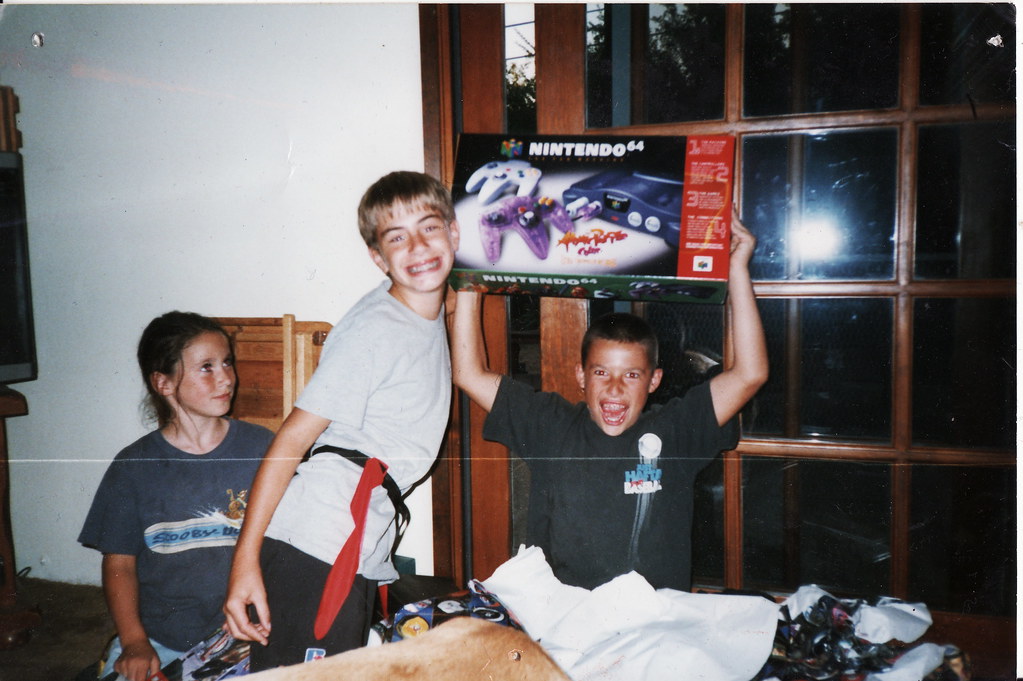
Original Nintendo 64 consoles and boxed games have become some of the most aggressively priced ’90s staples. Collectors pay a premium for working consoles with original controllers and intact packaging, and sealed copies of popular titles can sell for several hundred dollars. One price guide shows complete copies of “Super Smash Bros.” for Nintendo 64 consistently trading well above their original retail cost. As retro gaming continues to attract both nostalgic adults and new players, clean, fully functional N64 hardware and complete-in-box games are likely to keep appreciating.
If you still have your childhood console, resist the urge to toss it during a closet cleanout. Test the ports, cables, and controllers, then store everything in a dry, temperature-stable space. Even common titles gain value when manuals, inserts, and boxes are preserved, so treating the cardboard packaging as part of the asset can significantly increase what you might eventually recoup.
2) First-generation Pokémon trading cards
First-generation Pokémon trading cards, especially from the original Base Set, have shifted from playground currency to serious collectibles. Early holographic cards featuring characters like Charizard, Blastoise, and Venusaur can command four- and five-figure prices when graded in top condition. Auction records for a gem-mint Base Set Charizard, documented in grading data, illustrate how dramatically values have climbed compared with their 1990s pack price. Even non-holographic commons and uncommons from the first print runs now sell reliably in organized lots.
Because condition is everything in this market, how you stored those cards in the ’90s matters. Cards kept in binders or sleeves, away from sunlight and moisture, are far more likely to grade well and attract serious buyers. Before you give away a dusty shoebox of cards, it is worth sorting for early set symbols, shadowless print variants, and lightly handled holos that could meaningfully boost your collection’s overall value.
3) VHS tapes of out-of-print movies and shows
VHS tapes might look obsolete next to streaming apps, but certain out-of-print movies and shows on tape have become surprisingly valuable. Collectors seek original cassettes for titles that never received a proper DVD or digital release, and some horror and cult films now trade for far more than their original sticker price. Listings tracked on a specialist VHS database show rare clamshell editions and limited-run tapes selling for triple-digit sums when the artwork and cassette are intact. The appeal is part nostalgia, part scarcity, and part interest in original, unedited cuts.
Before you drop a box of tapes at the thrift store, scan the spines for obscure labels, direct-to-video titles, and early printings with distinctive cover art. Even if you no longer own a VCR, collectors do, and they often prioritize tapes with clean labels, uncracked shells, and original sleeves. For homeowners, that forgotten shelf in the basement can quietly represent a niche but real resale opportunity.
4) Early Apple iMac G3 and colorful ’90s computers
Early Apple iMac G3 desktops, especially the translucent “Bondi Blue” and later fruit-colored models, have evolved from everyday machines into design icons. Enthusiasts now treat these all-in-one computers as functional art, and complete units with matching keyboards and puck mice regularly sell for more than comparable generic PCs of the era. A dedicated hardware archive documents how specific configurations and colors attract collectors who prize originality and cosmetic condition. The combination of distinctive industrial design and historical significance in Apple’s lineup keeps demand steady.
If you still have a dormant iMac G3 in a closet, it is worth checking whether it powers on and whether the plastics have avoided yellowing or cracks. Even nonworking units can appeal to restorers and set designers, particularly in rarer colors. Instead of sending these bulky machines straight to e-waste, you may find that listing them locally or through a specialist marketplace yields a better outcome for both your wallet and the environment.
5) ’90s LEGO sets with original boxes and instructions
’90s LEGO sets, especially space, castle, and pirate themes, have seen a sharp rise in secondary-market prices when they are complete and boxed. Retired sets that once sold for modest sums at toy stores now command several times their original retail value, particularly when minifigures and unique elements are present. A widely referenced catalog of vintage sets shows consistent demand for specific 1990s releases, with sealed boxes often selling at a premium. The combination of discontinued molds and nostalgic themes drives collectors to pay up for well-preserved examples.
Loose bricks in a bin are still useful, but the real value lies in complete sets with instructions and packaging. If you are sorting through your attic, separate any bags or boxes that still contain original manuals, numbered bags, and specialty pieces. For families, holding onto these sets can turn a childhood toy into a future asset, especially as new generations discover older themes that are no longer produced.
6) Beanie Babies with authenticated rare tags
Beanie Babies became a symbol of ’90s collecting mania, and while most are worth only a few dollars, authenticated rare versions still attract serious buyers. Specific tag errors, limited production runs, and early-generation tush tags can dramatically change a plush toy’s value. A detailed price list highlights how certain named characters with verified tag variations continue to sell for far more than their original retail price. The key distinction is between common mass-market releases and genuinely scarce variants that have been professionally authenticated.
If you have a storage bin full of Beanie Babies, do not assume they are all worthless. Start by checking swing tags for spelling errors, country-of-origin differences, and early-generation designs, then compare those details against a reputable checklist. For homeowners, the upside is not in every plush toy, but in identifying the handful of rare pieces that can offset years of casual collecting if you decide to sell.
7) Original Magic: The Gathering ’90s card sets
Original Magic: The Gathering cards from the 1990s, particularly from sets like Alpha, Beta, and Unlimited, have become cornerstone assets in the trading card world. Early print runs were small compared with modern releases, and iconic cards such as “Black Lotus” and the Power Nine now sell for five- and six-figure sums in top condition. Population reports from a leading grading registry show how few high-grade copies exist, which helps explain the sustained price growth. Even less famous rares and uncommons from these sets can be surprisingly valuable.
Many players kept their decks in simple boxes or rubber-banded stacks, which can damage corners and surfaces over time. If you discover old Magic cards in a drawer, handle them carefully, avoid cleaning attempts, and consider protective sleeves before any appraisal. For long-time players, those early tournament decks may now represent a meaningful collectible portfolio rather than just a nostalgic hobby.
8) Sony Discman and high-end portable CD players
Sony Discman units and other high-end portable CD players from the ’90s have gained renewed attention as physical media makes a comeback. Audiophiles seek specific models with advanced anti-skip features and quality digital-to-analog converters, and working units with minimal cosmetic wear can sell for several times their original cost. A detailed model reference for one sought-after Discman highlights how particular design and performance traits drive collector interest. As streaming fatigue grows, more listeners are returning to CDs and the hardware that made them portable.
Before discarding an old player, check whether it powers on, reads discs, and includes its original remote or carrying case. Even if the rechargeable battery has failed, many units can run on standard cells or external power, which keeps them usable. For anyone with shelves of ’90s CDs, pairing them with a period-correct player can enhance both listening enjoyment and potential resale value if you decide to part with the gear later.
9) ’90s concert T-shirts and tour merch
’90s concert T-shirts and tour merchandise have shifted from casual souvenirs to highly sought-after fashion pieces. Original shirts from bands like Nirvana, Tupac Shakur, and the Smashing Pumpkins can sell for hundreds of dollars, especially in larger sizes and with vivid graphics. A curated market guide notes that authentic vintage band tees often outprice modern reprints by a wide margin. The combination of cultural significance, limited original runs, and current streetwear trends keeps demand strong for genuine ’90s tour gear.
When sorting old clothing, check neck tags, print quality, and dates on the artwork before donating. Single-stitch hems, fading consistent with age, and venue or tour-year details are all signs you might have an original piece rather than a later reproduction. For music fans, holding onto these shirts preserves both personal memories and a tangible slice of pop culture that continues to gain value in the resale market.
10) Furbys and other boxed electronic pets
Furbys and other boxed electronic pets from the late ’90s have become nostalgic collectibles, especially when they remain sealed or lightly used with original packaging. Early-production Furbys in uncommon colors or special editions can sell for significantly more than their original toy-store prices. A dedicated collector wiki catalogs the many variants released in 1998 and the following years, helping buyers identify which models are most desirable. The mix of quirky design, interactive features, and childhood memories keeps interest high among adults who grew up with these toys.
If you uncover a Furby during a decluttering spree, inspect the box, tags, and battery compartment before deciding its fate. Even opened units can attract buyers if the fur is clean, the electronics still function, and accessories like instruction booklets are present. For parents, these toys illustrate how quickly a fad item can transform into a collectible, especially when stored carefully instead of being discarded after the novelty fades.
11) ’90s McDonald’s Happy Meal toys and promotions
’90s McDonald’s Happy Meal toys and promotional tie-ins have quietly developed a collector base, particularly for complete sets tied to major franchises. Figurines from lines such as “Teenage Mutant Ninja Turtles,” “Batman,” and Disney films can sell for notable sums when kept in good condition. A comprehensive toy archive shows how many distinct series cycled through restaurants, creating scarcity for specific characters and regional releases. For collectors, the appeal lies in both the branding and the way these small toys capture a specific moment in fast-food and pop-culture history.
Instead of tossing a box of old plastic figures, group them by series and check for missing pieces or damaged parts. Complete sets with original bags or inserts are especially attractive to buyers who want to recreate the full display. For homeowners, these tiny items demonstrate how even low-cost giveaways can appreciate when tied to beloved franchises and preserved beyond their intended short life at the bottom of a toy bin.
Leave a Reply