From checkerboard floors to brass fixtures, the 1980s are quietly shaping your home feed again. Instead of full-on theme rooms, you are cherry-picking the best ’80s upgrades and remixing them with cleaner lines and smarter tech. These 12 ideas show how bold color, glam finishes, and unapologetic pattern are slipping back into modern spaces without feeling like a time capsule.
1) High-gloss lacquer cabinets in saturated colors
High-gloss lacquer cabinets are returning as a sleek way to channel ’80s drama in the kitchen. You see them in saturated blues, deep greens, and even lipstick reds, often paired with minimalist hardware so the reflective finish stays the star. The look nods to the shiny Euro-style kitchens that defined upscale homes in the late twentieth century, but today’s versions use durable catalyzed finishes and soft-close hinges to keep maintenance and function on par with contemporary expectations.
Designers point out that glossy cabinetry bounces light around small spaces, which can make compact condos or galley kitchens feel larger and brighter. The trade-off is that fingerprints and smudges show more readily, so you may want to reserve the boldest lacquer for upper cabinets or an island. When you balance these high-impact doors with matte counters and simple backsplashes, you get a crisp, gallery-like backdrop that still reads as warm and livable.
2) Checkerboard floors in kitchens and entryways
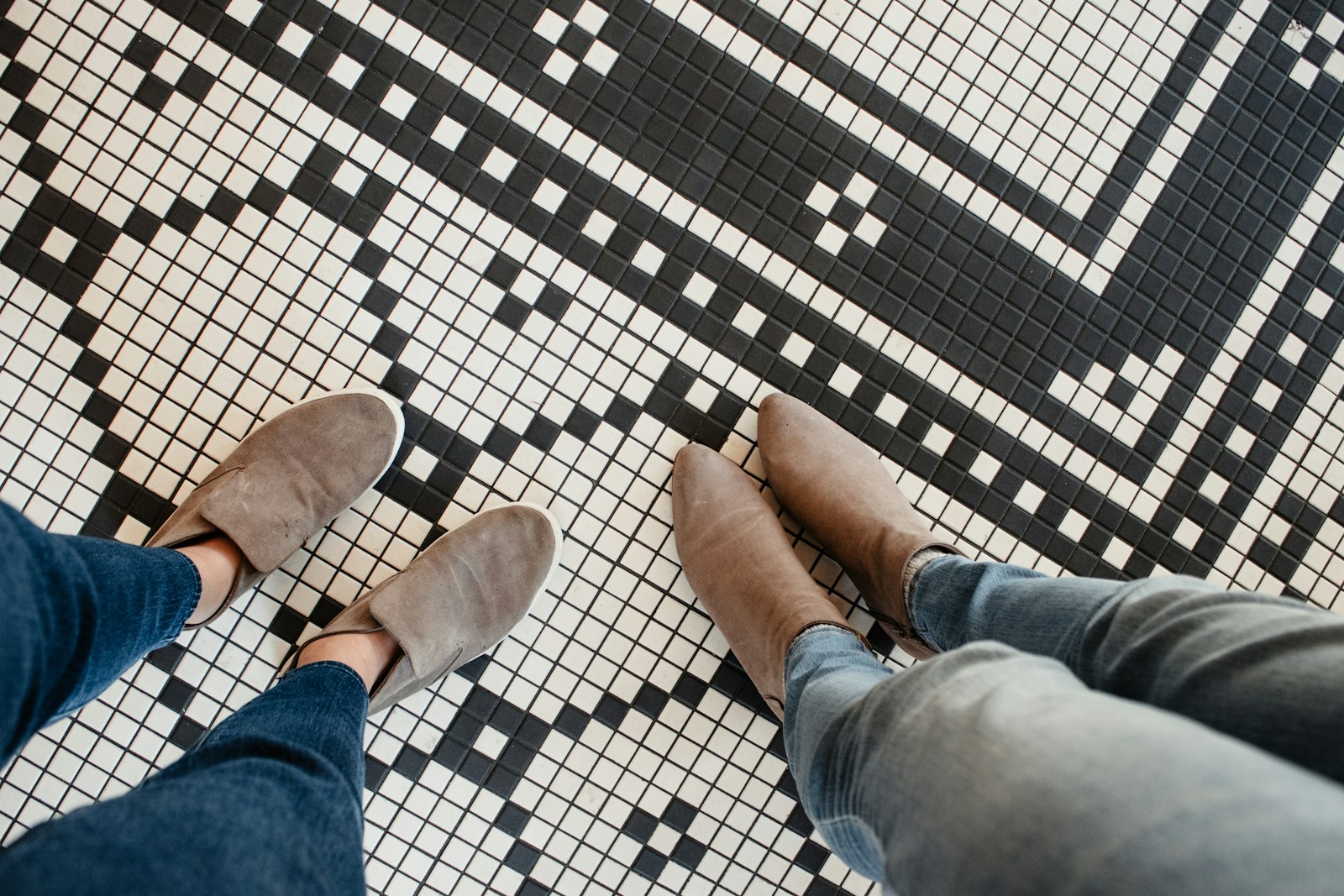
Checkerboard floors, a staple of ’80s kitchens and mudrooms, are back as a graphic anchor for high-traffic spaces. Instead of only black and white vinyl, you now see stone, porcelain, and painted wood in softer pairings like cream and charcoal or sage and off-white. The pattern’s strong geometry instantly organizes a room, which is why designers often drop it into busy entryways where shoes, bags, and pet gear can otherwise feel visually chaotic.
Homeowners are also using checkerboard layouts to bridge traditional architecture and modern furniture. A classic two-tone grid under a streamlined sofa or slab-front cabinetry keeps the room from skewing too stark. Because the pattern is so recognizable, it can handle a lot of wear without looking tired, especially when tiles are laid on the diagonal to disguise scuffs. If you keep the rest of the palette restrained, the floor becomes a timeless focal point instead of a novelty.
3) Brass and polished gold hardware everywhere
Brass and polished gold hardware, once written off as dated, now signal warmth and quiet luxury. In the ’80s, shiny brass often appeared on ornate cabinet pulls and elaborate bathroom fixtures. Today, you are more likely to see streamlined bar pulls, simple knobs, and slender faucets in brushed or unlacquered finishes that develop a subtle patina over time. This shift keeps the metal from feeling overly formal while still delivering that unmistakable golden glow.
These warmer metals pair especially well with the cool grays and whites that dominated the last decade, helping spaces feel less clinical. Swapping out chrome for brass on door levers, lighting, and cabinet hardware is a relatively low-cost upgrade that can transform how a room reads in photos and in person. The key is consistency: repeating the same tone across hinges, pulls, and fixtures creates a cohesive thread that ties open-plan areas together.
4) Mirrored walls and oversized mirrored closet doors
Mirrored walls and sliding closet doors, once a hallmark of ’80s condos, are reappearing as a strategic tool for small spaces. Instead of covering every surface, designers now use large mirror panels on a single wall or wardrobe to double the sense of depth in tight bedrooms and hallways. When mirrors are framed in slim black or wood trim, they feel more architectural and less like a dance studio, while still reflecting light from windows and fixtures.
Beyond the visual expansion, mirrored doors earn their keep by turning storage into a feature rather than something you hide. They can bounce views of art, plants, or city skylines back into the room, which makes even modest apartments feel more layered. To avoid glare, many homeowners choose slightly tinted or antiqued finishes that soften reflections. The result is a polished, subtly glamorous backdrop that still supports everyday living.
5) Statement wallpaper with bold patterns
Statement wallpaper, especially with oversized florals, geometrics, and tropical prints, is one of the clearest ’80s comebacks. Where earlier decades leaned on borders and tiny motifs, you now see full-height murals and repeating patterns that wrap entire powder rooms or accent walls. Peel-and-stick technology has lowered the commitment level, letting you experiment with saturated color and intricate designs without hiring a professional installer or worrying about long-term removal.
These bold surfaces work best in spaces where you want a concentrated hit of personality, such as entry nooks, dining rooms, or the wall behind your bed. Designers often repeat one color from the wallpaper in textiles or art to keep the room from feeling chaotic. Because pattern can disguise minor wall imperfections, it is also a practical choice in older homes. The renewed appetite for maximalism means you can lean into these prints without apologizing for them.
6) Sunken living rooms and conversation pits
Sunken living rooms and conversation pits, iconic in late twentieth-century homes, are resurfacing in new builds and major renovations. Instead of shag carpet and heavy drapes, current versions use low-profile sectionals, integrated steps, and durable performance fabrics to create a relaxed social zone. The change in floor level subtly separates the seating area from adjacent kitchens or dining spaces without relying on walls, which suits open-plan layouts.
Architects note that these lowered lounges encourage people to face each other rather than the television, which can shift how you host gatherings. The built-in nature of the seating also allows for hidden storage under benches or platforms, a valuable bonus in compact homes. While retro in spirit, a well-executed conversation pit feels surprisingly modern, especially when paired with clean-lined coffee tables and minimal lighting.
7) Glass block walls and shower partitions
Glass block, long associated with ’80s bathrooms and basement windows, is being reimagined as a sculptural way to borrow light while preserving privacy. Instead of entire exterior walls, you now see partial partitions, shower enclosures, and kitchen half-walls built from clear or lightly tinted blocks. The textured surfaces diffuse views, which makes them ideal for separating a primary bath from a bedroom or screening a home office corner without closing it off.
Manufacturers have expanded beyond the classic wavy block to include fluted, frosted, and patterned options that read more like art glass. When stacked with crisp grout lines and framed by simple trim, these installations feel graphic and contemporary. They also perform well in humid environments, resisting rot and mold. For homeowners, the appeal lies in getting both privacy and daylight, a combination that standard drywall and solid doors cannot match.
8) Track lighting and adjustable spotlights
Track lighting, a go-to solution in ’80s lofts and townhouses, is back in slimmer, more flexible forms. Modern tracks use low-voltage LED heads that can pivot, dim, and sometimes change color temperature, giving you precise control over how each zone is lit. Instead of bulky can-shaped fixtures, you see compact cylinders and minimalist bars that blend into white ceilings or become a deliberate graphic element in darker schemes.
This adjustability is especially useful in multipurpose rooms where a dining table might double as a workspace or craft area. You can aim one head at art, another at open shelving, and a third at the seating area, all from a single electrical run. Because tracks are surface-mounted, they are also a practical retrofit in older homes where adding recessed lights would require extensive wiring and patching. The result is a flexible lighting backbone that evolves with your layout.
9) Pastel bathroom suites and colored fixtures
Pastel bathroom suites, once dismissed as relics, are gaining new fans who appreciate their charm and sustainability. Vintage tubs, toilets, and sinks in shades like blush, mint, and powder blue are being salvaged and reinstalled rather than sent to landfills. When paired with crisp white tile and modern faucets, these fixtures read as intentional design choices instead of leftovers, giving your bath a distinctive personality that plain white cannot match.
Designers highlight that colored fixtures can set the tone for the entire room, making it easier to build a cohesive palette with towels, art, and storage. Because many of these pieces were built with heavy cast iron or vitreous china, they often outlast newer budget options. Embracing an existing pastel suite can also save thousands in renovation costs, freeing up budget for better ventilation, lighting, or tile work where it matters most.
10) Oak trim, paneling, and built-in cabinetry
Oak trim and paneling, a defining feature of many ’80s homes, are being revived instead of ripped out. Rather than painting everything white, homeowners are refinishing golden oak in richer stains or limewashing it for a softer, Scandinavian feel. Built-in bookcases, window seats, and media walls in oak add warmth and storage, counterbalancing the cool surfaces of stone counters and metal fixtures that dominate many contemporary interiors.
Wood detailing also helps open spaces feel more grounded by visually framing doors, windows, and transitions between rooms. When you repeat the same oak tone on flooring, stair rails, and cabinetry, the house reads as more cohesive and thoughtfully designed. This approach respects the original architecture while updating the color and sheen to align with current tastes, proving that not every ’80s element needs to be demolished to feel fresh.
11) Neon accents and backlit signage
Neon accents, once reserved for ’80s bars and arcades, are slipping into residential spaces as playful focal points. Custom LED “neon” signs that mimic the look of glass tubing are now common in home bars, game rooms, and even kids’ bedrooms. They use far less energy than traditional neon and stay cool to the touch, which makes them safer and more practical for everyday use while still delivering that saturated glow.
These luminous details work best when treated as punctuation rather than the whole sentence. A single word sign, outline graphic, or backlit shelf can energize an otherwise neutral room without overwhelming it. Because many systems plug into standard outlets and can be controlled by smartphone apps, you can change colors or brightness to suit different moods. The result is a subtle nod to ’80s nightlife that fits comfortably into a modern home.
12) Glass-top dining tables and chrome bases
Glass-top dining tables with chrome or polished metal bases are returning as a clean, airy alternative to heavy wood furniture. The transparent surface keeps sightlines open, which is especially helpful in smaller dining rooms or combined living-dining spaces. In the ’80s, these tables often skewed flashy, but current designs favor simple trestles, pedestal bases, or sculptural frames that let chairs and rugs remain visible underneath.
From a practical standpoint, tempered glass resists heat and stains, and it is easy to wipe down after meals or projects. Pairing a glass table with upholstered chairs and a textured rug prevents the room from feeling cold, while the reflective metal base quietly echoes other finishes like cabinet hardware or lighting. This mix of lightness and shine captures the polished side of ’80s style without sacrificing the comfort and versatility you expect today.
Leave a Reply