Before you decide to haul that heavy dresser or dated dining set to a donation center, it is worth knowing which old furniture styles people are now saving, restoring, and even investing in. As tastes shift toward character-rich interiors and sustainable choices, certain vintage pieces are gaining new life in living rooms, home offices, and small apartments. Here are 12 old furniture styles you are more likely to keep, refinish, or resell than give away.
1) Mid-century modern teak credenzas
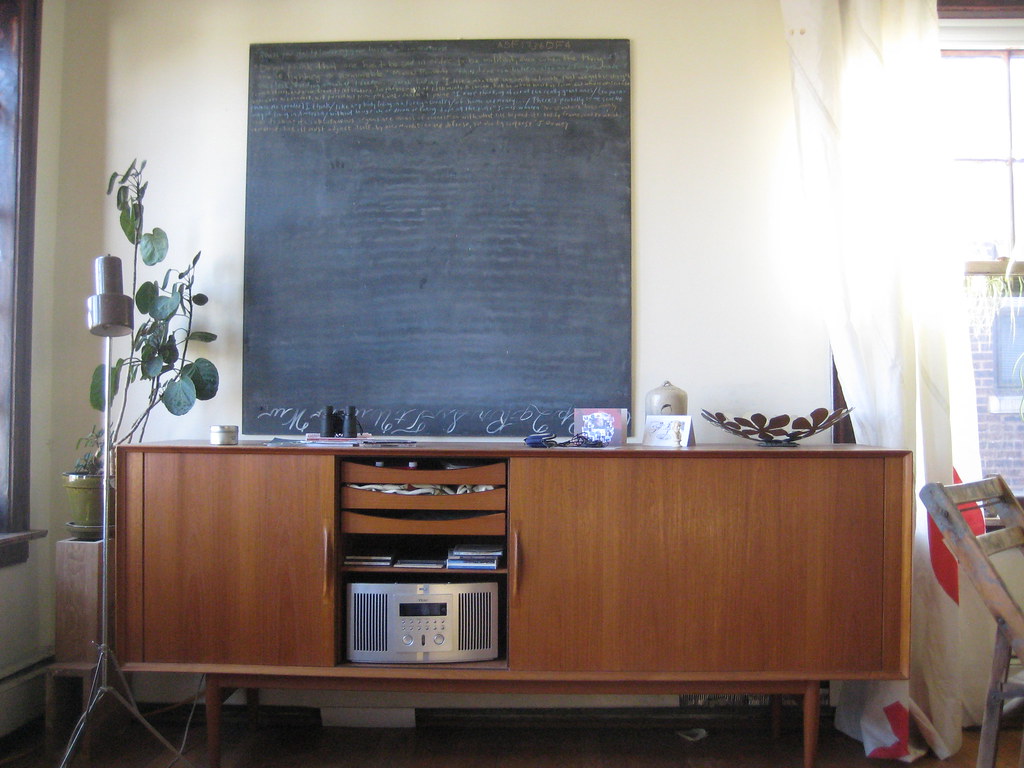
Mid-century modern teak credenzas are among the first pieces people pull back from the donation pile because they combine clean lines with serious storage. Collectors prize long, low cabinets from the 1950s and 1960s, especially those with sliding doors, tapered legs, and original teak veneer. Many buyers specifically hunt for Scandinavian or American designs that match the proportions of modern TVs and sound systems, turning what was once a dining-room buffet into a media console. As interest in sustainable interiors grows, keeping and refinishing these credenzas lets you avoid flat-pack replacements while preserving solid joinery.
Homeowners also recognize that mid-century teak holds value in the resale market, particularly when the finish is intact and hardware has not been swapped out. Even water rings and sun fading can often be corrected with careful sanding and oiling, which is far cheaper than buying a new cabinet of similar quality. Because these pieces were built with real wood and sturdy frames, they can handle repeated moves and layout changes. That durability, combined with their adaptable silhouette, explains why you are more likely to see them styled with new art and lighting than sitting on a thrift-store floor.
2) 1970s cane and rattan lounge chairs
1970s cane and rattan lounge chairs are another style people now save instead of donating, especially as natural textures return to living rooms and sunrooms. Vintage chairs with bent rattan frames, woven cane backs, and low, relaxed profiles fit easily into small spaces while adding visual lightness. Many of these pieces were originally sold as casual patio or den seating, but they now show up indoors with updated cushions and neutral fabrics. Because rattan and cane are plant-based materials, keeping these chairs in circulation aligns with a broader push toward renewable, repairable furnishings.
Owners often discover that even slightly sagging cane panels can be re-woven or tightened, extending the life of a chair that might otherwise be discarded. The curved silhouettes pair well with contemporary sofas and minimalist coffee tables, so you can mix them into an existing room without a full redesign. As design trends move away from heavy, dark upholstery, these airy frames help balance bulkier pieces you already own. Instead of donating them, many people now sand, re-stain, and re-cushion rattan chairs, then use them as accent seating that feels both retro and current.
3) Art Deco waterfall dressers
Art Deco waterfall dressers, with their rounded edges and stacked drawer fronts, are being rescued from basements and estate sales because they offer sculptural impact and solid storage. These 1930s and 1940s pieces often feature book-matched veneers, curved tops that “waterfall” over the sides, and original Bakelite or metal pulls. Even when the finish is chipped or cloudy, the underlying structure is usually sturdy, which makes them ideal candidates for careful refinishing. People who once saw them as dated now recognize that the bold geometry and warm wood tones can anchor a bedroom or entryway.
Instead of donating, many owners strip yellowed varnish, repair veneer chips, and either restore the original stain or paint the case while preserving key details like inlaid bands. The deep drawers are practical for clothing, linens, or office supplies, which matters in smaller homes where every inch of storage counts. Because new dressers with comparable materials are often expensive, keeping a waterfall piece can be a budget-friendly way to get character and capacity. As interest in prewar craftsmanship grows, these dressers are increasingly viewed as heirlooms worth saving rather than bulky castoffs.
4) 1980s oak pedestal dining tables
1980s oak pedestal dining tables, once dismissed as dated, are now being kept and updated instead of donated, especially by people who want a large, solid surface without paying for new hardwood. These tables typically feature thick, round or oval tops and a central pedestal base, often in golden oak. While the original finish can feel heavy, the underlying construction is usually robust, with substantial joinery that holds up to daily use. Because the pedestal eliminates corner legs, the table can seat more people comfortably, which is valuable in multipurpose dining rooms and open-plan spaces.
Owners increasingly refinish these tables by sanding off the orange-toned stain and applying lighter finishes or matte sealers, which instantly modernizes the silhouette. Some keep the top wood-toned and paint the base for contrast, turning a once-generic piece into a custom focal point. The cost of this transformation is typically far lower than buying a comparable new table, especially one made from solid oak. As a result, people are more inclined to keep these 1980s workhorses, pairing them with updated chairs and lighting instead of sending them to donation centers.
5) Vintage campaign chests and dressers
Vintage campaign chests and dressers, recognizable by their recessed brass hardware and corner brackets, are being saved because they blend storage with a tailored, travel-inspired look. Originally designed for portability, these pieces often break down into sections and feature flush handles that will not snag. Today, people appreciate how the clean lines and metal accents work in bedrooms, hallways, and home offices. The sturdy frames, usually made from solid wood or high-quality veneer, respond well to refinishing, which makes them ideal for customization with new stain or paint while retaining the distinctive brass details.
Instead of donating, many owners polish the hardware, repair minor dings, and use these chests as nightstands, media consoles, or entry tables. The compact footprint suits apartments and smaller homes, where every piece needs to earn its keep. Because campaign furniture bridges traditional and modern styles, it can tie together mismatched items you already own. Keeping and updating these chests also supports a more sustainable approach to decorating, reducing the need for new production while preserving a design language rooted in history and craftsmanship.
6) 1960s Danish modern dining chairs
1960s Danish modern dining chairs are rarely donated now because their slim profiles and ergonomic shapes fit so easily into contemporary homes. These chairs often feature sculpted backs, tapered legs, and seats originally covered in vinyl or wool. The frames, typically made from teak, oak, or rosewood, are lightweight yet strong, which makes them practical for everyday use. People value how the gentle curves support the spine, especially when working from a dining table that doubles as a desk. As a result, sets that once seemed too plain are now seen as design assets worth restoring.
Owners frequently reupholster the seats in durable fabrics or leather, keeping the original wood finish whenever possible. Even when a chair is wobbly, simple re-gluing of joints can extend its life for years. Because new, well-made dining chairs can be costly, holding onto a vintage Danish set can be financially smart as well as stylish. These chairs also mix well with different table styles, from glass to rustic farmhouse, so you can update your space without replacing everything. That flexibility is a key reason people keep them instead of dropping them at donation centers.
7) Early American maple bedroom sets
Early American maple bedroom sets, with their turned legs and spindle headboards, are being reconsidered by people who once saw them as purely “grandparent” furniture. These sets often include a bed frame, dresser, and nightstand made from solid maple, a hardwood that resists dents and wear. While the original honey finish can feel dated, the underlying quality is hard to match at big-box prices. Homeowners now recognize that sanding and staining or painting these pieces can reveal crisp lines and subtle curves that work in both traditional and modern rooms.
Instead of donating entire sets, many people break them up and use individual pieces in different spaces. A dresser might move into a hallway, while a nightstand becomes a living-room side table. This flexibility helps small homes maximize storage without buying new furniture. Because maple takes paint and stain evenly, you can customize the look to match current color palettes while keeping the sturdy frames. Saving these sets also reduces waste, keeping heavy, well-built pieces out of landfills and in daily use for another generation.
8) 1990s entertainment armoires
1990s entertainment armoires, once built to hide bulky tube televisions, are being repurposed instead of donated as people look for creative storage. These tall cabinets typically feature large central compartments, adjustable shelves, and doors that can close off clutter. While they may no longer house electronics, they are ideal for converting into office nooks, craft stations, or linen storage. The generous interior depth allows you to add a small desk surface or extra shelving, turning an outdated media center into a functional workspace that can be closed up at the end of the day.
Owners often remove heavy interior hardware, patch cord holes, and repaint the exterior to match newer decor. Because these armoires were built to support heavy equipment, their frames are usually strong enough to handle new uses. In smaller homes without dedicated offices, converting an old armoire can be more practical than buying a new desk and storage system. As remote and hybrid work arrangements continue, people are more inclined to keep these pieces, seeing them as flexible cabinets rather than obsolete TV furniture.
9) Victorian marble-top washstands
Victorian marble-top washstands, originally designed to hold basins and pitchers before indoor plumbing was common, are now being saved as character-rich accent pieces. These small cabinets typically feature a stone top, short backsplash, and one or two doors for storage. The combination of wood and marble gives them a presence that belies their compact size, making them useful in entryways, bathrooms, or bedrooms. Even when the wood shows wear, the marble surface often remains intact, which encourages owners to refinish the base rather than donate the entire piece.
People repurpose these washstands as bathroom vanities, bedside tables, or hallway drop zones for keys and mail. The stone top handles moisture and daily use better than many modern laminates, which is especially helpful in high-traffic areas. Because new marble furniture can be expensive, keeping and updating an existing washstand can deliver a similar look at a fraction of the cost. This blend of practicality and historic detail explains why more of these pieces are being restored, not removed, during home updates.
10) 1950s metal office desks
1950s metal office desks, once standard in schools and government buildings, are now being kept and refinished as sturdy home workstations. These desks often feature steel frames, laminate or wood tops, and deep drawers with built-in dividers. Their industrial look pairs well with both minimalist and eclectic interiors, especially when the metal is cleaned and the top is resurfaced. As more people carve out permanent home offices, the appeal of a desk that can handle heavy equipment and daily use has grown, making donation a less attractive option.
Owners frequently strip old paint, address rust spots, and apply new colors that coordinate with modern decor. Some add cable grommets or keyboard trays to adapt the desks for computers while preserving the original structure. Because these pieces were built for durability, they often outlast contemporary flat-pack desks that wobble or sag. Keeping and upgrading a vintage metal desk can therefore be both environmentally responsible and financially sensible, especially for anyone who spends long hours working from home.
11) 1960s laminate-top dinettes
1960s laminate-top dinettes, with their chrome legs and patterned surfaces, are being rescued from garages and basements as people embrace retro kitchens and breakfast nooks. These compact tables were originally paired with vinyl-upholstered chairs and designed to resist spills and heat. The laminate tops, often in speckled or pastel finishes, clean easily and stand up to daily family use. In smaller apartments or eat-in kitchens, the modest footprint makes them practical for meals, homework, or laptop work, which encourages owners to keep and restore them instead of donating.
Refinishing usually involves polishing chrome, re-covering chair seats, and deep-cleaning the laminate rather than major structural work. Because the materials are durable, even sets that look tired can often be revived with elbow grease and new upholstery. The playful mid-century aesthetic also adds personality to otherwise plain spaces, which is appealing to renters who cannot change cabinets or flooring. As a result, more people are holding onto these dinettes, seeing them as functional vintage pieces rather than outdated leftovers.
12) 1940s cedar chests and hope chests
1940s cedar chests and hope chests are being saved because they offer both storage and sentimental value. Built with aromatic cedar interiors, these trunks were designed to protect linens and clothing from moths and moisture. Many families still have one passed down from parents or grandparents, often with carved fronts or decorative hardware. Even when the exterior finish is worn, the interior wood usually remains fragrant and functional, which makes donation feel like a waste of both history and utility.
People now repurpose these chests as coffee tables, window seats, or end-of-bed benches, sometimes adding cushions or casters for comfort and mobility. Refinishing the exterior with new stain or paint can highlight carvings and bring the piece in line with current decor while preserving the protective cedar inside. In homes where storage is at a premium, keeping a cedar chest provides a safe place for seasonal textiles and keepsakes. That combination of practicality and emotional resonance is a powerful reason these old trunks are staying put instead of heading to donation centers.
Leave a Reply