Parents are rediscovering that the “old ways” of running a household often solve modern problems faster and cheaper than new gadgets. These vintage home hacks are being pulled straight from grandparents’ playbooks, then updated for small apartments, busy schedules, and kid chaos. Use these time-tested tricks to stretch your budget, cut clutter, and keep your home running smoothly without relying on complicated tools.
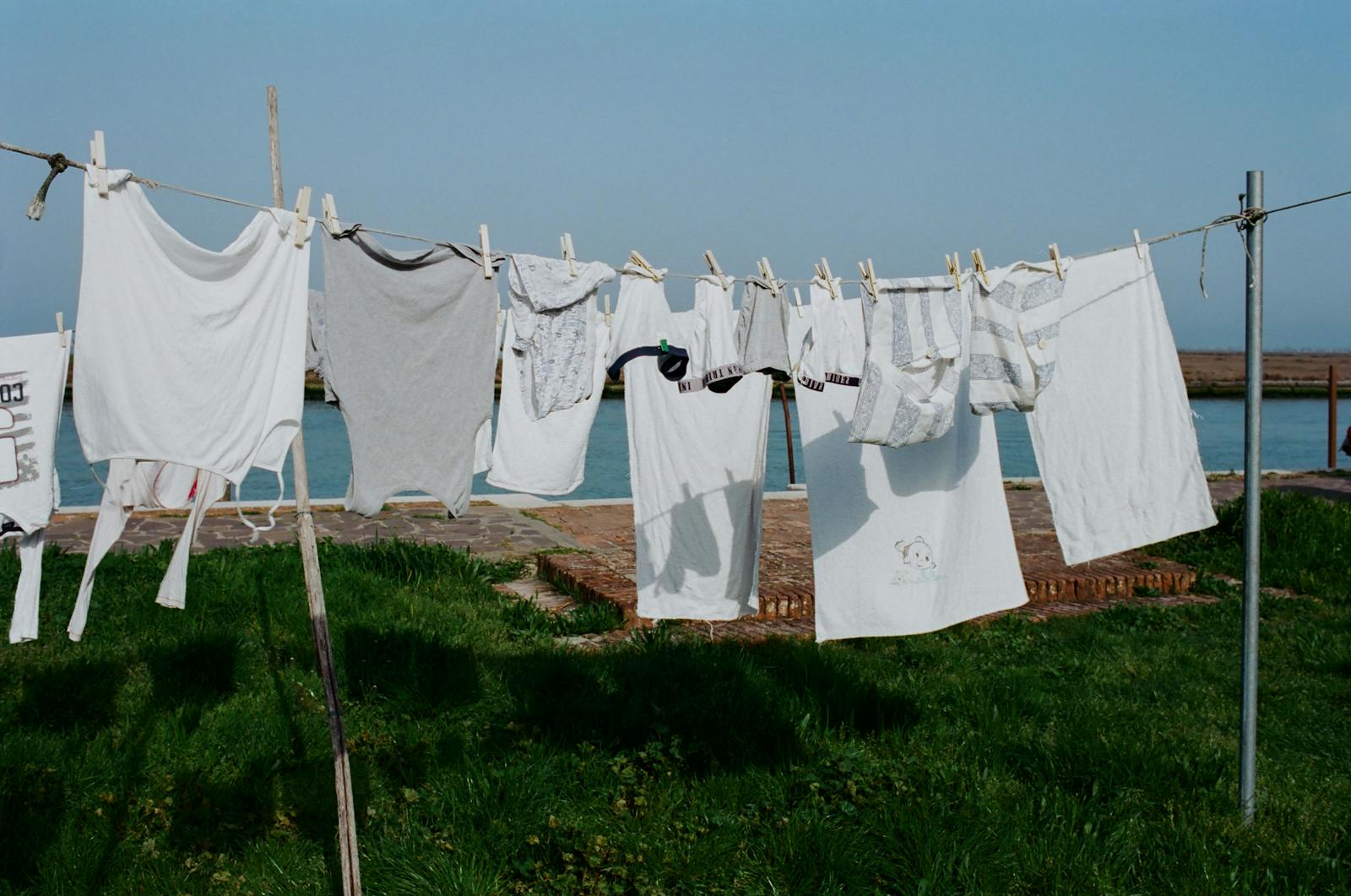
1) Line-drying laundry to cut energy use and protect fabrics
Line-drying laundry is one of the simplest vintage habits parents are reviving to save money and preserve clothes. Instead of running the dryer for every load, you hang shirts, jeans, and school uniforms on a clothesline or indoor rack so air and time do the work. Guides to vintage home hacks highlight line-drying as a classic way to reduce wear on fabrics and avoid shrinkage.
For parents, the stakes are practical and financial. Air-drying reduces energy bills, keeps elastic waistbands from breaking down, and helps school clothes last through more than one child. It also cuts the risk of dryer-related fires and gives you a built-in visual reminder of what is clean. In small spaces, a foldable rack or retractable line lets you get the benefits of this old-school trick without sacrificing precious floor area.
2) Using vinegar as an all-purpose cleaner in kitchens and baths
Using plain white vinegar as an all-purpose cleaner is another vintage habit returning to family kitchens. Instead of stocking multiple specialty sprays, you dilute vinegar with water in a spray bottle to wipe down counters, sinks, and tile. This old-fashioned staple helps break down mineral deposits, soap scum, and greasy fingerprints, especially on high-touch kid zones like fridge handles and cabinet pulls.
Parents are turning back to vinegar because it is inexpensive, easy to store, and avoids the heavy fragrances that can bother sensitive kids. While you still need separate products for disinfecting and stone surfaces, vinegar handles a surprising amount of everyday grime. The bigger trend is a shift away from cluttered cleaning caddies toward a few reliable basics that grandparents would recognize, which simplifies routines and cuts down on packaging waste.
3) Baking soda for deodorizing carpets, shoes, and refrigerators
Baking soda has long been a pantry staple, and parents are again using it as a low-cost deodorizer throughout the home. Sprinkling it on carpets before vacuuming helps absorb pet and snack odors, while a small open box in the refrigerator keeps lingering smells from leftovers in check. Many families also shake baking soda into kids’ sneakers or sports bags, then tap it out after it absorbs moisture and odor.
The appeal is that baking soda is cheap, widely available, and gentle enough for most surfaces. Instead of masking smells with strong perfumes, it neutralizes them, which matters when you are dealing with baby gear, playroom rugs, and shared bedrooms. Reviving this vintage hack lets you manage odor problems without relying on plug-in fresheners or single-use scent packets, which can add up in cost and clutter.
4) Reusing glass jars for pantry storage and craft supplies
Reusing glass jars from pasta sauce, pickles, or jam is a classic habit that fits perfectly with modern concerns about waste and organization. Parents wash and relabel jars to store dry goods like rice, beans, and cereal, making it easier to see when staples are running low. The clear sides and tight lids also make jars ideal for corralling crayons, beads, LEGO pieces, and other small toys that otherwise scatter across floors.
This vintage approach reduces the need to buy new plastic containers and gives everyday packaging a second life. For families, the stakes include both budget and sustainability, since reusing jars cuts down on trash and repeat purchases. Lined up on open shelves or in a cabinet, they create a tidy, uniform look that rivals store-bought systems while staying firmly rooted in old-school practicality.
5) Cloth napkins and rags instead of disposable paper products
Switching from paper towels and napkins to washable cloth is another retro move gaining traction in busy households. Parents keep a stack of cloth napkins at the table and designate old T-shirts or towels as cleaning rags for spills and dusting. This mirrors how earlier generations handled daily messes before bulk paper products became the norm.
For families, the payoff is lower weekly grocery costs and less overflowing trash, especially after big meals or birthday parties. Cloth holds up better to serious kid messes like spaghetti sauce or craft paint, and you simply toss it in the wash with other linens. Reviving this habit also teaches children that not every mess requires something disposable, reinforcing a mindset of reuse that aligns with broader environmental concerns.
6) Meal planning with a rotating weekly menu
Meal planning with a simple rotating weekly menu is a vintage strategy that helps parents tame dinner chaos. Instead of improvising every night, you repeat a basic structure, such as pasta on Mondays, soup on Tuesdays, and a roast or sheet-pan meal on Sundays. Earlier generations relied on this rhythm to stretch ingredients and reduce waste, and modern parents are rediscovering how much decision fatigue it removes.
The stakes are high for time and budget. A predictable menu makes grocery lists shorter and more focused, which cuts impulse buys and food spoilage. Kids also benefit from knowing what to expect, which can reduce mealtime battles. By leaning on this old-school pattern, you free up mental energy for homework help and bedtime routines instead of last-minute recipe searches.
7) Seasonal deep-cleaning routines tied to spring and fall
Seasonal deep-cleaning, especially in spring and fall, is a long-standing tradition that parents are bringing back to keep clutter from spiraling. Instead of waiting until everything feels overwhelming, you schedule specific times of year to wash curtains, flip mattresses, clean baseboards, and purge outgrown clothes or toys. This echoes how earlier households treated spring cleaning as a major reset after months of closed windows and heavy fabrics.
For modern families, this rhythm creates built-in checkpoints to reassess what you own and how your home functions. It helps you catch safety issues like loose stair rails or overloaded outlets while you are already moving furniture and inspecting corners. Reviving this vintage habit turns deep-cleaning from a vague goal into a predictable routine that keeps small problems from becoming big, expensive repairs.
8) Airing out bedding and rugs outdoors for freshness
Airing out bedding and rugs outdoors is another old-fashioned practice that parents are using to freshen spaces without heavy chemicals. On dry days, you hang comforters, pillows, and small rugs over a railing or clothesline so sunlight and moving air can help reduce musty smells. Before mechanical dryers and constant climate control, families relied on this simple exposure to keep textiles feeling clean between full washes.
Today, this habit is especially useful in kids’ rooms and play areas where spills and sweat can build up quickly. Letting items breathe outside can reduce reliance on strong fabric sprays and frequent machine cycles, which saves energy and wear on materials. It also gives you a chance to inspect seams, zippers, and stuffing, catching damage early before it turns into a safety hazard or a costly replacement.
9) Keeping a basic mending kit for clothes and soft toys
Maintaining a small mending kit with needles, thread, buttons, and patches is a vintage skill that is quietly returning to family life. Instead of discarding clothes when a seam pops or a button falls off, parents are stitching them back together in a few minutes at the kitchen table. The same simple tools can repair stuffed animals, couch cushions, and backpack straps that take a beating during the school year.
The stakes are both financial and emotional. Fixing a favorite hoodie or beloved plush toy can spare a child from distress and save you from emergency replacement runs. Over time, these quick repairs extend the life of wardrobes and household textiles, which reduces waste and stretches budgets. Reviving basic mending also models resourcefulness, showing kids that damage does not automatically mean something is disposable.
10) Using a household command center with a paper calendar
Creating a household command center anchored by a large paper calendar is a vintage organizing tactic that still works in the age of apps. Parents post a wall calendar, corkboard, or whiteboard in a central spot, then add school events, sports practices, chore charts, and meal plans where everyone can see them. Before smartphones, this was how families coordinated, and many are finding that the visual overview still beats scattered digital alerts.
For kids, the physical calendar makes time more concrete and helps them take ownership of their schedules and responsibilities. It also reduces the mental load on parents, since information is shared instead of living in one person’s phone. Reviving this analog hub can cut down on missed appointments and last-minute scrambles, which lowers stress for the entire household.
11) Boiling citrus peels and spices for natural home fragrance
Simmering citrus peels and spices on the stove is a vintage way to scent a home that parents are choosing over plug-ins and aerosol sprays. You fill a small pot with water, add orange or lemon peels along with cloves or cinnamon sticks, then let it gently bubble so steam carries the fragrance through nearby rooms. This method was common before mass-market air fresheners and still works without adding synthetic perfumes.
For families, the benefit is a customizable, low-cost way to make the house feel welcoming, especially before guests arrive or after cooking strong-smelling meals. It also avoids adding extra chemicals to the air in homes with babies or kids who have allergies. The habit encourages using what you already have, like leftover peels from snacks, which fits into a broader pattern of reducing waste and relying on simple, recognizable ingredients.
12) Storing shoes and coats near the door to contain dirt
Setting up a dedicated shoe and coat zone right by the door is a long-standing habit that parents are reviving to keep floors cleaner. Instead of letting kids track dirt and grass through the house, you place a mat, a small bench, and hooks or pegs where everyone can immediately remove shoes and hang jackets. Earlier generations used mudrooms for this purpose, and modern families are recreating the idea even in small entryways.
The stakes are clear when you factor in cleaning time and floor maintenance. Containing outdoor grime at the threshold reduces how often you need to mop, vacuum, or deep-clean carpets, which is crucial in homes with crawling babies or allergy-prone kids. This simple, vintage setup also streamlines school mornings, since backpacks, coats, and shoes live in one predictable spot instead of disappearing into bedroom piles.
Leave a Reply