Seventies-style wood paneling is no longer stuck in the basement; you are seeing it reimagined in high-end homes, boutique hotels, and even small apartments. Designers are reviving those nostalgic surfaces with better proportions, richer stains, and smarter installation details so the look feels intentional rather than dated. If you want to tap into that retro warmth, these 12 wood paneling styles from the 1970s show how to bring the trend back in a way that feels fresh, tailored, and surprisingly modern.
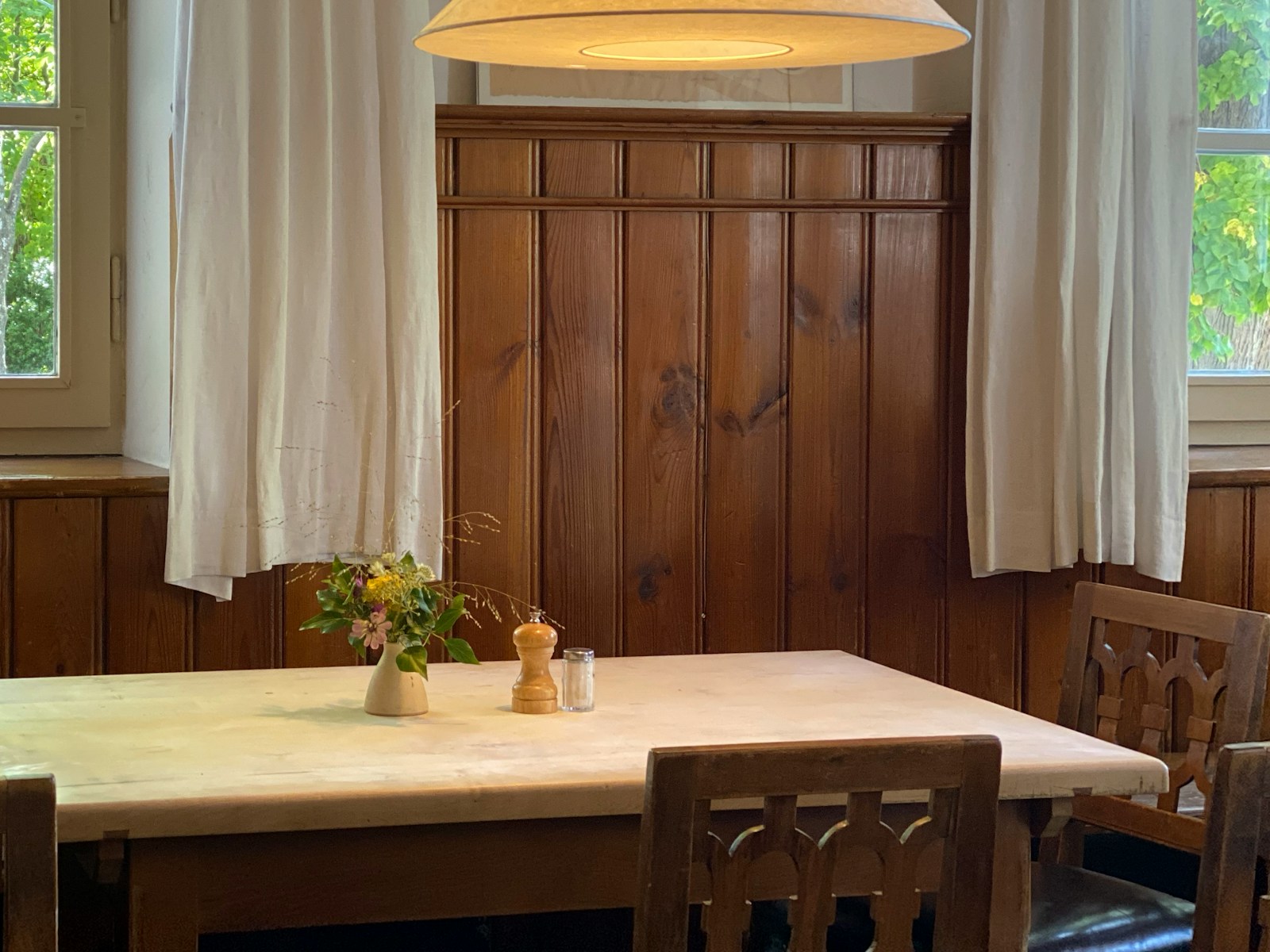
1) Classic vertical tongue-and-groove boards
Classic vertical tongue-and-groove paneling, a staple of 1970s dens and cabins, is returning as a clean architectural backdrop that adds height and rhythm to a room. Instead of the orange-tinted pine you might remember, you now see slimmer boards in pale oak or painted finishes that highlight the linear pattern without overwhelming the space. Running the boards from floor to ceiling visually stretches your walls, which is especially useful in older homes with low ceilings or compact rooms.
When you use tongue-and-groove on a single feature wall or behind built-in shelving, it reads as tailored millwork rather than dated cladding. The interlocking profile also helps hide minor wall imperfections and creates crisp shadow lines that pair well with minimalist furniture. For you as a homeowner, this style offers a relatively approachable DIY project that can dramatically shift a room’s character while still feeling timeless enough to support future decor changes.
2) Narrow shiplap with tight, uniform gaps
Narrow shiplap, installed with tight, consistent gaps, updates the 1970s paneled family room into something closer to a gallery backdrop. Unlike rustic barn boards, these planks are milled for precision so the reveals between boards stay even, which keeps the look refined. When painted in soft white or muted color, the horizontal lines add subtle texture that works with contemporary sofas, sculptural lighting, and even bold modern art.
For you, the appeal lies in how shiplap can bridge traditional architecture and modern furnishings without feeling forced. Running it horizontally can make a room feel wider, while wrapping it around a hallway or mudroom creates a cohesive envelope that hides scuffs better than flat drywall. Because the boards are usually installed over existing walls, it can also be a strategic way to cover patched surfaces or dated textures while adding a sense of craftsmanship back into newer construction.
3) Dark walnut wall paneling with integrated storage
Dark walnut paneling, once associated with 1970s conversation pits and executive offices, is being revived as a luxurious shell that often hides integrated storage. Instead of flat sheets, designers now specify book-matched walnut veneers or solid slats that align across cabinet doors, so the entire wall reads as one continuous surface. This approach lets you conceal media units, wardrobes, or office storage behind touch-latch panels that maintain the rich, uninterrupted grain.
For anyone working with an open-plan living space, this style solves clutter while adding depth and sophistication. The deep brown tones ground lighter floors and upholstery, and the natural variation in walnut keeps the surface from feeling monolithic. Good lighting is crucial: adding warm LED strips in coves or shelves prevents the wood from feeling too heavy and highlights the figure of the grain, turning a practical storage wall into a focal point that nods to the 1970s without feeling stuck there.
4) Mid-century style teak slat walls
Teak slat walls, which gained popularity in late mid-century and 1970s interiors, are back as sculptural room dividers and accent walls. Slim, evenly spaced slats create a sense of privacy while still allowing light and air to pass through, making them ideal for separating an entry from a living room or screening a staircase. The warm, golden-brown tone of teak pairs naturally with terrazzo, concrete, and vintage leather, so you can lean into a retro palette without it feeling like a set.
From a functional standpoint, slat walls help you zone open layouts without building full-height solid partitions. They can also hide structural posts or unsightly corners while adding a strong vertical rhythm that photographs beautifully. If solid teak is outside your budget, engineered alternatives with a teak veneer can deliver a similar look at a lower cost, letting you capture that 1970s resort vibe in a city apartment or compact home.
5) Diagonal plank paneling for dynamic feature walls
Diagonal plank paneling, a hallmark of adventurous 1970s rec rooms, is being reinterpreted as a bold feature wall in living rooms and bedrooms. Instead of covering every surface, designers now limit the diagonal boards to one plane, often behind a bed or fireplace, so the angled lines feel intentional and graphic. Using a single species, such as white oak or ash, keeps the pattern from becoming visually chaotic while still delivering a strong sense of movement.
For you, the diagonal layout can correct awkward architecture by drawing the eye away from off-center windows or sloping ceilings. It also offers a way to showcase craftsmanship, since clean miters at corners and consistent board widths are essential for a polished result. Pairing the dynamic paneling with simple furnishings and solid textiles lets the geometry take center stage, turning what was once a dated 1970s trick into a sophisticated design statement.
6) Rustic knotty pine with modern, matte finishes
Rustic knotty pine, once synonymous with 1970s basements and vacation cabins, is returning with a more restrained, matte finish that tones down the orange cast. By bleaching or lightly staining the boards, you can keep the visible knots and grain that give pine its character while aligning the color with contemporary palettes. Installing the boards in a simple vertical or horizontal pattern, rather than ornate layouts, helps the material feel intentional and calm.
For homeowners who want warmth without the maintenance of darker hardwoods, updated knotty pine offers a budget-friendly option that still feels authentic. It works especially well in secondary spaces like mudrooms, bunk rooms, or home offices where a slightly casual vibe is welcome. Combining the paneling with black hardware, streamlined lighting, and crisp white trim creates a pleasing tension between rustic texture and modern detailing, proving that even the most nostalgic 1970s surfaces can feel current with the right finish.
7) Floor-to-ceiling veneer panels in minimalist rooms
Floor-to-ceiling veneer panels, a high-end 1970s staple in hotels and corporate lobbies, are being embraced in minimalist homes to add quiet luxury. Large-format panels in oak, walnut, or even eucalyptus minimize seams so the wood reads as a continuous plane, almost like a fabric wrapping the room. When paired with flush baseboards and concealed doors, the effect is sleek and gallery-like, allowing your furniture and art to stand out against a warm, unified backdrop.
For you, veneer panels can be a strategic way to introduce natural material without the cost and movement issues of solid wood. They are often installed on a track or cleat system, which can hide wiring, insulation, or acoustic treatments behind the surface. This makes them especially appealing in media rooms or home offices where sound control matters. The result is a space that feels both serene and richly layered, echoing 1970s sophistication while aligning with today’s minimalist sensibilities.
8) Wainscoting-height paneling in saturated colors
Wainscoting-height wood paneling, which appeared in many 1970s dining rooms and hallways, is being revived with saturated paint colors that feel far from dated. Instead of natural stain, designers are coating the lower third or half of the wall in deep blues, greens, or earthy reds, leaving the upper portion in a lighter neutral. This contrast adds structure and visual interest while protecting high-traffic areas from scuffs and chair marks.
For smaller spaces, such as entryways or powder rooms, painted paneling can create a sense of intimacy without making the room feel cramped. The horizontal break also gives you a clear line for hanging art or mirrors, which helps keep walls organized rather than cluttered. By combining a classic 1970s architectural move with contemporary color theory, you can achieve a look that feels both grounded in history and tailored to your current style.
9) Built-in wood paneling around fireplaces
Built-in wood paneling that wraps around a fireplace, a familiar 1970s living room feature, is returning as a way to anchor open-plan spaces. Instead of heavy, dark surrounds, you now see slimmer profiles in oak, maple, or even painted hardwood that integrate shelving, benches, or media niches. Cladding the chimney breast and adjacent walls in the same material creates a unified focal point that balances large televisions and modern gas inserts.
For you, this approach can solve several design challenges at once: it hides wiring, provides storage for firewood or media components, and visually organizes a long wall. Choosing a noncombustible stone or tile immediately around the firebox, then transitioning to wood, keeps the installation safe while preserving the warm, paneled look. The result is a contemporary hearth that nods to 1970s coziness but feels tailored to today’s multiuse living rooms.
10) Geometric paneled ceilings in living spaces
Geometric paneled ceilings, which appeared in some 1970s custom homes, are being reimagined as a way to add drama overhead without cluttering the walls. Instead of ornate coffers, designers are using simple grids or long planks to create subtle patterns that draw the eye upward. Cladding the ceiling in light-toned wood can warm a stark white room, while darker stains can make a tall space feel more intimate and grounded.
For homeowners, investing in a paneled ceiling can be especially impactful in open-plan living areas where walls are dominated by windows or cabinetry. The added texture improves acoustics by breaking up sound reflections, which is useful in rooms with hard flooring. When paired with recessed lighting or linear fixtures that follow the panel layout, the ceiling becomes a quiet showpiece that channels 1970s ambition in a more restrained, contemporary way.
11) Mixed-width planks for relaxed, boho rooms
Mixed-width plank paneling, a casual 1970s look often seen in converted attics and sunrooms, is back in boho-inspired interiors. Combining boards of different widths on the same wall creates a relaxed, handcrafted feel that suits eclectic furniture and layered textiles. Keeping the color palette consistent, either through a single stain or unified paint, prevents the variation from feeling chaotic while still celebrating the irregular rhythm.
For you, this style can be a smart way to use leftover materials or reclaimed boards without the result looking like a patchwork. It works particularly well in secondary spaces such as guest rooms, studios, or enclosed porches where a slightly informal vibe is welcome. By pairing the paneling with simple trim and unfussy window treatments, you let the texture do the visual work, capturing the free-spirited side of 1970s design in a way that feels intentional and livable.
12) Faux-wood paneling upgraded with quality laminates
Faux-wood paneling, infamous in its 1970s particleboard form, is quietly returning in the form of high-pressure laminates and engineered panels that look far more convincing. Modern products use detailed printing and textured surfaces to mimic real grain, giving you the warmth of wood with improved durability and moisture resistance. When installed with clean reveals and paired with quality trim, these panels can pass for real wood in many settings, especially in rental properties or high-traffic commercial spaces.
For budget-conscious projects, upgraded faux-wood lets you experiment with bold paneling without the cost or maintenance of solid lumber. It is particularly useful in basements, laundry rooms, or kids’ spaces where humidity and wear are concerns. By choosing restrained colors and avoiding overly glossy finishes, you can sidestep the kitschy feel of old paneling while still enjoying the nostalgic, cocooning effect that made 1970s wood walls so memorable in the first place.
Leave a Reply