Millennials are not just buying houses, they are quietly raiding boomer design playbooks for the cozy, durable details that make a place feel like home. Instead of disposable decor, you are gravitating toward pieces that echo the stability of a paid-off Mortgage and the layered charm boomers built over decades. These nine vintage touches show how you can borrow the best of that era while still keeping your space fresh and functional.
1) Solid wood dining sets that feel built for decades
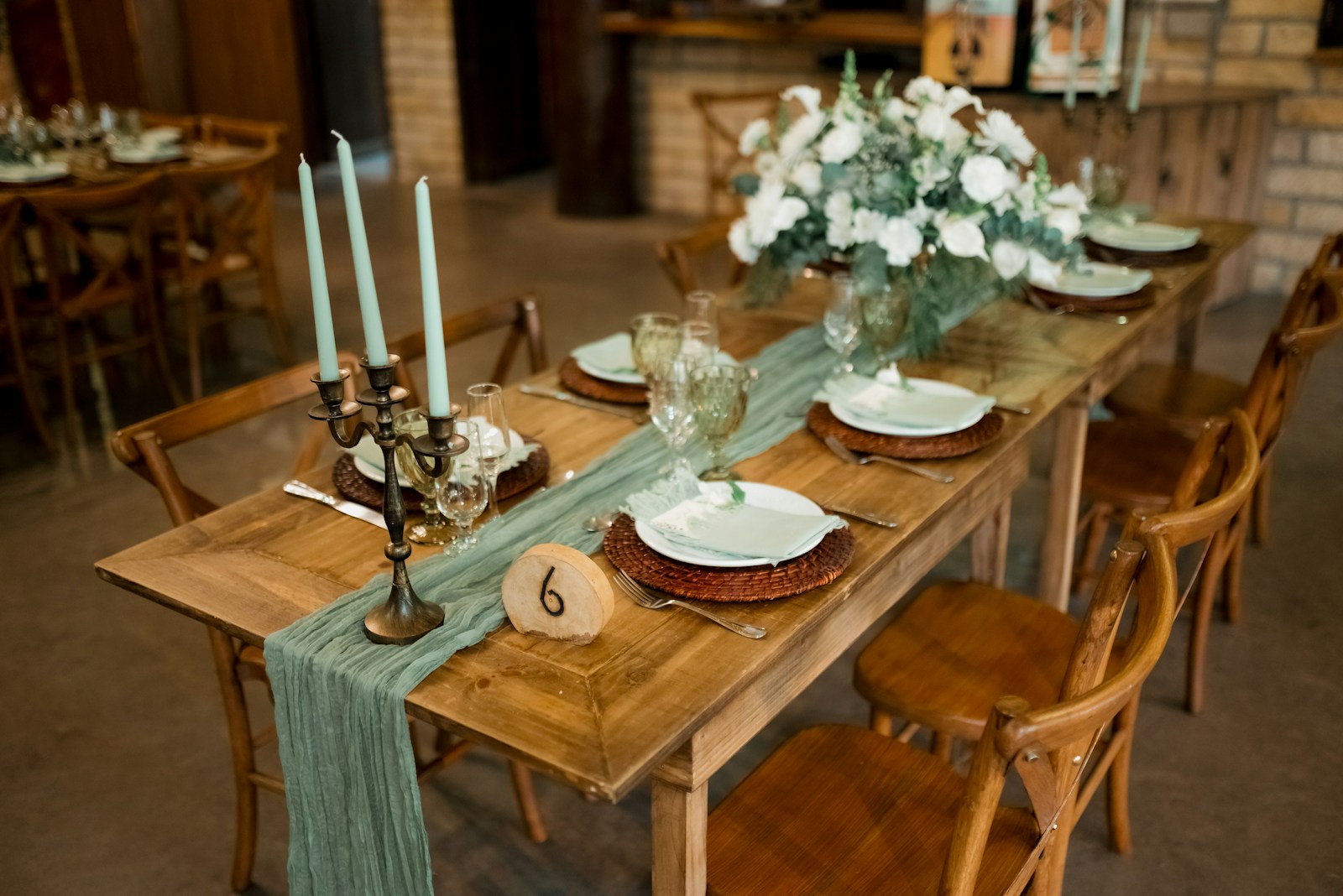
Solid wood dining sets are one of the clearest vintage upgrades millennials are reclaiming from boomer homes. While some boomers are downsizing and letting go of heavy furniture, younger buyers are hunting for sturdy tables and chairs that can survive moves, roommates, and growing families. Reporting on what older owners are offloading notes that long lasting pieces, often bought when a Mortgage was first signed, are now landing in resale shops and estate sales.
For you, the appeal is practical as much as nostalgic. A solid oak or maple table can be refinished instead of replaced, which fits both budget and sustainability goals. It also anchors open concept spaces that might otherwise feel temporary or sparse. As boomers clear out formal dining rooms, millennials are turning those same sets into multifunctional hubs for laptops, puzzles, and dinner parties, proving that classic craftsmanship still earns its footprint.
2) China cabinets and hutches repurposed for everyday storage
China cabinets and hutches, once symbols of boomer formality, are being reimagined by millennials as hardworking storage. Older owners often see these large pieces as clutter when they streamline for retirement, but younger buyers recognize the value of enclosed shelving, glass doors, and deep drawers. Many of these cabinets were purchased during the same era as a first long term Mortgage, so they were built with solid joinery and real wood rather than thin veneers.
Instead of filling them with fragile china, you might use them for barware, board games, or even pantry staples in a small kitchen. A quick coat of paint or new hardware can modernize the silhouette while preserving the original structure. The broader trend shows how you are trading flat pack bookcases for heirloom storage that can move from dining room to hallway to home office without falling apart.
3) Patterned wallpaper that adds character to small spaces
Patterned wallpaper, a boomer staple that once covered entire houses, is returning in a more curated, millennial friendly way. Many boomers are stripping busy florals and borders as they prepare homes for sale or simplify for retirement, but younger buyers are selectively reinstalling bold prints in entryways, powder rooms, and accent walls. The same homes that were decorated when a Mortgage was first secured are now being updated by a new generation that sees wallpaper as a quick route to personality.
Peel and stick options make it easier for renters and first time buyers to experiment without committing to decades of the same pattern. You might choose vintage inspired botanicals, geometric midcentury motifs, or archival stripes that nod to the past without feeling stuffy. The stakes are visual and emotional: in compact urban apartments, a single wallpapered wall can turn a generic box into a space that feels intentional, layered, and lived in.
4) Brass and mixed metal fixtures with a warm patina
Brass fixtures, once dismissed as dated, are another boomer era detail millennials are reclaiming. As older homeowners swap shiny brass for minimalist chrome or matte black, you are scooping up vintage faucets, cabinet pulls, and light fixtures that already have a soft patina. Many of these pieces were installed when The Daily Overview of a new subdivision included coordinated hardware packages tied to a fresh Mortgage, so they share consistent finishes and proportions.
In a millennial home, that warm metal becomes a deliberate contrast to white walls, concrete counters, and simple cabinetry. Reusing existing brass also avoids the cost and waste of ripping out functional fixtures just for a trend. The result is a layered look where a 1980s chandelier or 1970s door hardware suddenly feels current again, especially when paired with contemporary art and streamlined furniture.
5) Built-in shelving that turns walls into libraries
Built-in shelving, a hallmark of boomer family rooms and dens, is being rediscovered as a millennial design asset. Many boomers installed wall to wall bookcases when they first settled into a house and locked in a long term Mortgage, treating those shelves as permanent architecture. As they downsize, younger buyers inherit these built-ins and see an opportunity rather than an obstacle.
You might paint dated oak white, add cabinet doors to the lower sections, or integrate a desk to create a compact home office. The shelves themselves become a stage for books, plants, speakers, and framed photos, replacing the need for multiple smaller pieces of furniture. In tight floor plans, built-ins free up valuable square footage and make a modest living room feel like a custom library, which is especially appealing if you work from home or collect vinyl, art books, or board games.
6) Vintage rugs that outlast fast-fashion decor
Vintage rugs, often rolled up in boomer basements or listed during downsizing, are another category millennials are chasing. Many of these wool or hand knotted pieces were purchased when a Mortgage was a long term commitment and decor was expected to last for decades, not just a season. Their dense fibers and intricate patterns hide wear, making them ideal for high traffic apartments and shared spaces.
Instead of buying thin, synthetic rugs that need replacing every few years, you might invest in a pre loved Persian, Turkish, or Navajo style piece that has already proven its durability. The color variation and patina add depth to otherwise minimal rooms, softening hard surfaces like concrete or laminate. For renters, a large vintage rug can visually define a living area and make a generic space feel rooted, even if the walls and fixtures are out of your control.
7) Formal living room layouts adapted for flexible use
Formal living rooms, a classic feature of boomer floor plans, are being reinterpreted by millennials as flexible, multiuse zones. Many older homes built when The Daily Overview of suburban life centered on entertaining have a front room that was rarely used except on holidays. As boomers move or refinance a Mortgage and reconfigure their spaces, younger buyers are taking those underused rooms and giving them new purpose.
You might turn a formal living room into a hybrid library, music studio, or coworking area with a sleeper sofa for guests. The original elements, such as crown molding, picture windows, and hardwood floors, become a backdrop for modern furniture and technology. This shift shows how you can honor the bones of a boomer era layout while aligning it with remote work, side hustles, and more casual hosting styles.
8) Classic wood kitchen cabinets refreshed instead of replaced
Classic wood kitchen cabinets, especially those in oak or maple, are another boomer feature millennials are choosing to update rather than demolish. Many of these cabinets were installed when a long term Mortgage justified investing in durable materials, so the frames and doors remain structurally sound even if the stain feels dated. As boomers consider full gut renovations or downsizing, younger owners see value in what is already there.
You might sand and paint the doors, swap in new hinges and pulls, and add modern countertops to bridge eras. Keeping the original boxes avoids the cost and waste of new cabinetry while still delivering a fresh look. The broader trend reflects a millennial preference for renovation over replacement, using existing boomer era craftsmanship as a foundation for lighter, brighter kitchens that still feel grounded and substantial.
9) Dedicated dining rooms revived as social hubs
Dedicated dining rooms, which some boomers are giving up in favor of open concept spaces, are being reclaimed by millennials who value intentional gathering. Many older homes built when a Mortgage signaled long term roots include a separate room for meals, complete with a chandelier and space for a large table. As those homes change hands, younger buyers are resisting the urge to knock down every wall.
You might use a dining room for weekly potlucks, game nights, or coworking sessions, treating the table as a community anchor rather than a museum piece. Vintage elements like chair rails, built in buffets, or patterned drapes can be balanced with simple dishware and streamlined chairs. In an era of screens and solo meals, preserving a room designed for face to face connection becomes a deliberate lifestyle choice, one that borrows the best of boomer hospitality while fitting millennial schedules and budgets.
Leave a Reply