Over the last 50 years, a surprising number of ordinary-looking U.S. coins have turned into serious collectibles worth far more than face value. If you know what to look for in your change, you could be holding a coin worth hundreds or even thousands of dollars. Use this list as a focused checklist of modern issues that have proven they can command big money when the right date, mint mark, and condition come together.
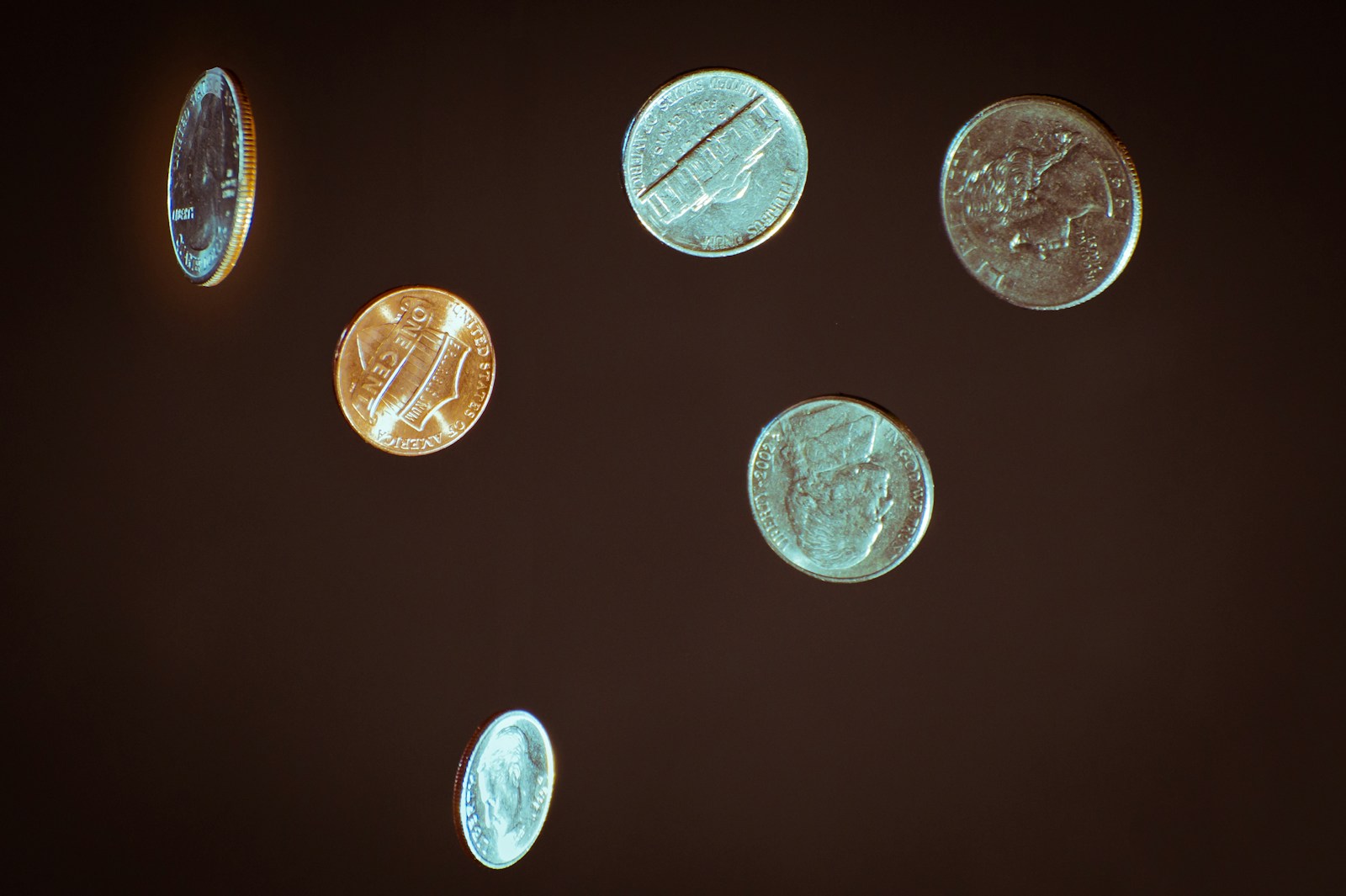
1) 1999‑P Delaware State Quarter “Spitting Horse”
The 1999‑P Delaware state quarter with the so‑called “Spitting Horse” die break is one of the standout modern error coins. On this variety, a raised die crack appears to shoot from the horse’s mouth toward the rim, creating a dramatic visual flaw that collectors pay a premium to own. Reporting on valuable state quarters notes that certain early issues can sell for thousands of dollars when rare errors and high grades intersect, with some pieces bringing as much as $10,000, a benchmark that shows how aggressively buyers chase the most desirable state quarter errors.
For you as a casual collector, the stakes are simple: every Delaware quarter from pocket change is worth a quick inspection under good light. While most examples are only worth face value, a sharp, uncirculated coin with a bold “spitting” die crack can be worth far more than 25 cents. This is a prime example of how a small minting defect on a modern coin can transform a common design into a high‑demand variety that specialists actively seek out.
2) 2004‑D Wisconsin State Quarter Extra Leaf Varieties
The 2004‑D Wisconsin state quarter with the “Extra Leaf High” and “Extra Leaf Low” varieties is another modern issue that has turned spare change into serious money. On these coins, an additional leaf appears on the ear of corn, either pointing higher or lower than the normal design, the result of an altered or damaged die. Collectors treat these extra‑leaf quarters as distinct varieties, and high‑grade examples have sold for hundreds of dollars, especially when certified in mint‑state condition with strong luster and minimal contact marks.
Because these coins were released into general circulation, you could still encounter one in a roll of quarters or an old jar of change. The key is to compare the corn leaves closely against a regular Wisconsin quarter so the extra leaf stands out. As with other modern errors, the combination of a popular series, a dramatic design change, and limited surviving population keeps demand strong, which is why these quarters remain on short lists of the most valuable modern U.S. coins.
3) 1972 Doubled Die Lincoln Cent
The 1972 doubled die Lincoln cent is one of the most famous modern varieties in the penny series and a clear example of a low‑value coin becoming a high‑value collectible. On the strongest variety, the inscriptions “LIBERTY” and “IN GOD WE TRUST” show bold, naked‑eye doubling, the result of a misaligned hubbing process at the Mint. Specialists have documented multiple doubled die obverse varieties for 1972, but the primary one commands the highest prices, especially in uncirculated grades with full original red color.
Guides to valuable Lincoln cents highlight how dramatic hub doubling can push a one‑cent coin into the hundreds of dollars, and in top certified grades, into the four‑figure range. For you, that means every 1972 cent is worth a quick check, particularly if it looks unusually sharp or well preserved. The coin’s popularity also reflects a broader trend: modern collectors are increasingly focused on die varieties, not just dates and mint marks, which gives standout errors like this lasting market support.
4) 1992 Close AM Lincoln Cent
The 1992 Close AM Lincoln cent is a subtle but extremely valuable variety that proves how small design differences can have big financial consequences. On this coin, the letters “A” and “M” in “AMERICA” on the reverse are spaced closely together, matching the proof design rather than the normal wide‑spaced circulation style. Only a small number of these transitional‑design cents are known, and when authenticated in high grade, they have sold for thousands of dollars, far beyond what most people expect from a coin minted in the 1990s.
Because the difference is so slight, most examples likely passed through circulation unnoticed, which is exactly why you should check any 1992 and 1992‑D cents you come across. A magnifying glass and a comparison with a regular wide‑AM cent can help you spot the variety. The strong prices realized for this coin underscore a key lesson for modern collectors: design transitions and mismatched dies can create some of the most valuable U.S. coins of the last half‑century.
5) 1983 Doubled Die Reverse Lincoln Cent
The 1983 doubled die reverse Lincoln cent is another modern penny that has earned a spot on serious want lists. On this variety, the reverse lettering, especially “UNITED STATES OF AMERICA” and “E PLURIBUS UNUM,” shows clear doubling under magnification, a sign that the working die was mis‑hubbed. Unlike minor machine doubling, this hub doubling adds real collector value, and strong examples in mint‑state grades can bring substantial premiums over face value, particularly when certified by a major grading service.
Coverage of standout Lincoln cents emphasizes that dramatic doubled dies from the 1970s and 1980s have become core targets for variety specialists, and the 1983 reverse doubled die is frequently listed among the most desirable modern Lincoln cent varieties. For you, that means any bright, well‑struck 1983 cent deserves a closer look at the reverse. As collectors continue to build complete variety sets, demand for this coin is likely to remain strong, especially for high‑grade examples with crisp, easily visible doubling.
6) 1969‑S Doubled Die Obverse Lincoln Cent
The 1969‑S doubled die obverse Lincoln cent is one of the most dramatic and valuable modern U.S. coins, even though it sits just outside the strict 50‑year window by date while still trading actively in today’s market. On this coin, the date, “LIBERTY,” and “IN GOD WE TRUST” all show bold, spread‑out doubling that is obvious without magnification. Because the variety was once mistaken for a counterfeit, genuine examples are scarce, and certified pieces have sold for tens of thousands of dollars, especially in higher mint‑state grades.
Guides to the world’s most valuable coins often use this cent as a benchmark for how far a small denomination can climb in value when rarity and dramatic eye appeal align, grouping it alongside other elite high‑value coins. For everyday collectors, the implication is clear: even a single old penny from a coffee can or inherited jar could represent a life‑changing find. Careful screening of 1960s and 1970s cents, particularly those from San Francisco, is a smart habit if you want to uncover hidden value.
7) 1982 Small Date Copper Lincoln Cent
The 1982 small date copper Lincoln cent is a transitional‑composition rarity that has captured strong attention among modern coin hunters. In 1982, the Mint shifted from a 95 percent copper alloy to copper‑plated zinc, and multiple date styles were used during the changeover. A small number of cents with the “small date” style were struck on leftover copper planchets, creating a scarce combination that weighs about 3.11 grams instead of the 2.5 grams typical for zinc pieces.
Because the difference is not visible at a glance, collectors rely on a precise scale to separate copper from zinc and then check the date style. Articles aimed at people wondering if their old coins are valuable stress that weight, composition, and subtle design details can dramatically affect value, and that a single cent can be worth far more than face value when these factors align, a point often made in guides that help you decide whether old coins are worth selling. For you, weighing 1982 cents is an easy, low‑cost way to search for this modern rarity.
8) 1970‑S Small Date Lincoln Cent in High Grade
The 1970‑S small date Lincoln cent is not an error, but a design variety that becomes very valuable in top condition. On the small date version, the “7” in the date appears level with the “1” and “0,” and the overall numerals look lighter and more delicate than the large date style. While both types circulated widely, sharply struck small date cents with full original red color and minimal marks are scarce, and certified examples in the highest mint‑state grades can command strong four‑figure prices at auction.
For collectors focused on the last 50 years, this coin illustrates how condition can be just as important as rarity. Millions of 1970‑S cents exist, but only a tiny fraction survive in the pristine state that registry‑set builders demand. If you come across an original roll or an old collection that includes bright, uncirculated 1970‑S cents, it is worth checking the date style carefully. The market’s willingness to pay up for top‑graded small dates shows how competitive modern series have become among advanced buyers.
9) 2000‑P Sacagawea Dollar “Cheerios” Reverse
The 2000‑P Sacagawea dollar with the so‑called “Cheerios” reverse is one of the most intriguing modern dollar varieties. A limited number of coins were distributed in cereal boxes as a promotion, and those pieces feature a reverse with enhanced tail feather detail on the eagle that differs from the regular circulation design. Because only a small population of these promotional dollars has been confirmed, certified examples have sold for thousands of dollars, far above the face value of the coin.
Modern value guides often highlight this dollar as proof that even promotional tie‑ins can produce serious rarities when a design prototype slips into public hands. For you, the key is to examine any early Sacagawea dollars with unusually sharp feather detail or a known connection to the cereal promotion. The strong prices realized for this coin also underscore a broader trend: modern collectors are increasingly attentive to limited‑distribution issues, test strikes, and design trials that once flew under the radar.
10) 1966‑D Kennedy Half Dollar in Superb Condition
The 1966‑D Kennedy half dollar, while common in circulated grades, becomes a high‑value modern coin when preserved in superb condition. Struck during the 40 percent silver era, these halves were often hoarded or heavily used, which means fully brilliant, sharply struck examples with minimal marks are scarce. In the highest certified mint‑state and prooflike grades, prices can climb into the hundreds or even low thousands of dollars, especially for coins with exceptional eye appeal and strong luster.
Discussions of valuable modern coins frequently note that silver‑content issues from the 1960s and early 1970s have a built‑in floor value from their bullion content, but that numismatic premiums can far exceed melt value when quality is outstanding. For you, that means any original roll, mint set, or inherited group of 1960s half dollars deserves careful review. The same logic that makes rare Australian decimal coins worth thousands, as seen in coverage of high‑value modern coins abroad, applies here: condition, scarcity, and collector demand can turn a familiar design into a serious asset.
Leave a Reply