Your bathroom is probably hiding more clutter and potential hazards than you realize, from expired medicine to worn-out textiles and risky DIY leftovers. If you want a cleaner, safer space, the fastest fix is to grab a trash bag and start making firm decisions. Use this list of 12 bathroom items you should throw away right now as a room-by-room guide to what no longer deserves space on your shelves, in your drawers, or under the sink.
1) Expired or unsafe medicine-cabinet staple
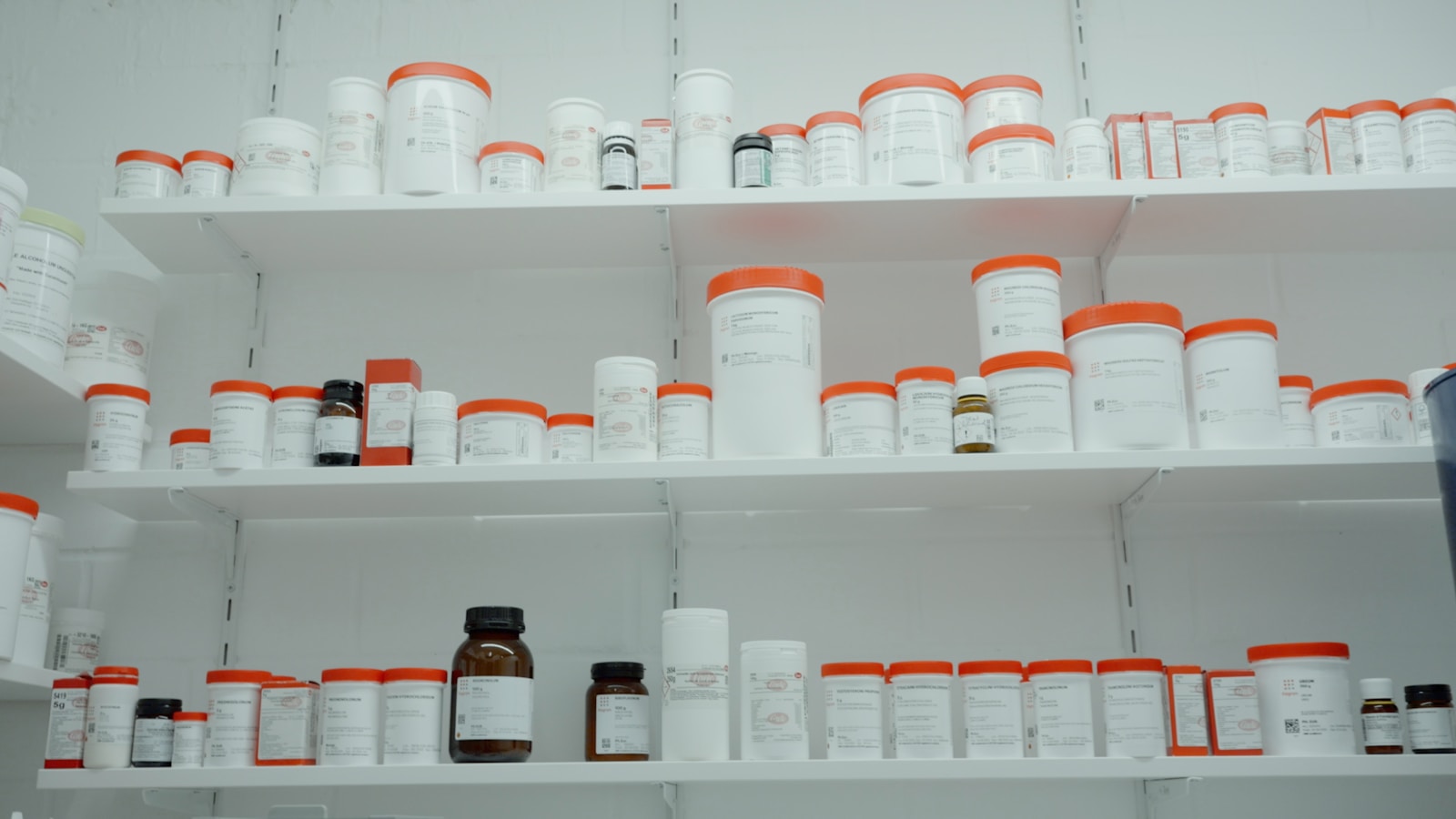
The first thing to target is any expired medicine-cabinet staple that no longer works as intended or is unsafe to keep around. Guidance on what to remove from your medicine cabinet stresses that once a product is past its prime, you cannot count on its effectiveness, and in some cases, it may even irritate your skin or stomach. That is especially important for items you reach for when you are sick or injured, because you are relying on them to work correctly when you are already vulnerable.
Instead of letting old bottles and tubes pile up, check labels for expiration dates and discard anything that is clearly out of date or has changed color, smell, or texture. Keeping only current, clearly labeled products reduces the risk of accidental misuse, especially for children or guests who might grab the first thing they see. It also frees up space so you can actually see what you have, which makes it easier to restock essentials before you need them in an emergency.
2) Another outdated medicine-cabinet item you are still hanging onto
A second category to purge is the outdated medicine-cabinet item you keep “just in case,” even though you have not used it in years. The same expert advice on clearing old health products highlights that many bathroom staples lose potency long before the packaging physically breaks down. That can include everything from old cold remedies to topical treatments that no longer deliver the promised relief, leaving you with a false sense of security when symptoms hit.
Holding on to these products also clutters your shelves, making it harder to spot the items that are actually safe and effective. When you are half-awake in the middle of the night, you do not want to be squinting at tiny print to figure out which bottle is still good. By tossing anything you cannot remember buying, or that has instructions you can no longer read, you reduce confusion and make your bathroom a more functional, low-stress space for everyone who uses it.
3) A third medicine-cabinet product that has lost its effectiveness
A third group of medicine-cabinet products to throw away right now are those that have clearly lost their effectiveness, even if they are not technically expired. The recommendations on reassessing bathroom medications point out that exposure to humidity, heat, and light can degrade certain formulas faster than you might expect. That is especially true in a steamy bathroom, where repeated hot showers can affect pills, creams, and liquids stored in flimsy or frequently opened containers.
If a product no longer looks, smells, or feels like it did when you first opened it, treat that as a red flag. Using degraded items can mean you are not getting the dose or protection you think you are, which matters for everything from pain relief to skin care. Clearing these out also encourages you to store replacements more thoughtfully, perhaps in a cooler, drier spot outside the bathroom so they stay effective for longer and actually deliver the benefits you are paying for.
4) A fourth medicine-cabinet item that poses a safety or storage problem
Some medicine-cabinet items are not just ineffective, they are actively unsafe to keep where anyone can grab them. Advice on removing risky products from bathroom storage underscores that certain medications and treatments should not be stored in a shared cabinet at all, especially if children or older relatives use the same bathroom. Easy access to strong painkillers, sedatives, or other potent products can lead to accidental ingestion or misuse, with serious health consequences.
Rehoming or discarding these items is a simple way to reduce that risk. If you truly need to keep them, move them to a locked box or a higher, private shelf outside the main bathroom. While it may feel inconvenient at first, the trade-off is a safer environment for visitors and family members who might not understand what is in each bottle. A less crowded cabinet also makes it easier to spot anything that has been tampered with or left uncapped, which is another subtle but important safety benefit.
5) High-germ bathroom essential experts say to “throw away ASAP”
Beyond medicine, one of the grimiest bathroom essentials experts flag is the high-touch item you use every day without thinking about how often it is replaced. Guidance on bathroom items to toss ASAP emphasizes that some grooming tools and accessories become breeding grounds for bacteria and mold long before they actually fall apart. When those items come into contact with your face, mouth, or eyes, the hygiene stakes are much higher than a little dust on a shelf.
Regularly replacing these germ-prone essentials protects your skin and overall health, especially if you share a bathroom with roommates or family members. It also aligns with a broader shift toward more intentional personal-care routines, where you pay attention not just to the products you buy but to the tools you use to apply them. Treating these items as semi-disposable, with a clear replacement schedule, keeps your bathroom cleaner and your daily routine safer.
6) Another everyday bathroom item that is secretly past its prime
Another everyday bathroom item that deserves a hard look is anything fabric or sponge-like that stays damp for long stretches of time. The same expert-backed list of bathroom clutter to clear notes that porous materials can trap moisture, soap scum, and skin cells, creating ideal conditions for mildew and odor. Even if these items look fine at a glance, they may be harboring buildup that no amount of quick rinsing will fully remove.
Once these materials start to smell musty or feel slimy, it is time to stop trying to rescue them and simply throw them away. Continuing to use them can spread that residue back onto your skin and fixtures, undermining the whole point of cleaning up. Replacing them with versions that dry faster or can be laundered more thoroughly is a small investment that pays off in a fresher-smelling bathroom and fewer hidden hygiene issues.
7) A third bathroom product with a clear toss-by window
Some bathroom products come with a built-in toss-by window that many people ignore, even though it is printed right on the packaging. Expert guidance on when to replace bathroom products highlights that certain items should be discarded after a set number of months once opened, regardless of how much is left in the container. That timeline is often tied to how quickly preservatives break down or how easily the product can be contaminated during normal use.
Paying attention to those small symbols and notes is more than a marketing suggestion, it is a safety and performance guideline. Using products past their recommended window can lead to irritation, breakouts, or simply disappointing results, which wastes both time and money. Marking the open date with a permanent marker and setting a reminder on your phone can help you stay on track, so you are not guessing months later about how long something has been sitting on the shelf.
8) Worn-out robes or towels you “absolutely MUST toss”
Step outside the medicine cabinet and look at your textiles, especially robes and towels that live on hooks or shelves in the bathroom. Professional organizers who outline items you absolutely MUST toss from your closet point to worn, threadbare fabrics as prime clutter that drags down both function and mood. When those same tired pieces migrate into the bathroom, they not only look shabby but can also hold onto moisture and odor more stubbornly than newer, more absorbent options.
Retiring these textiles clears visual noise and improves how your bathroom feels the moment you walk in. It also makes daily routines more pleasant, because you are drying off with something that actually does its job instead of smearing water around. If you feel guilty about waste, consider cutting the least damaged pieces into cleaning rags for non-bathroom tasks, then discard the rest. The key is to stop letting sentimental attachment or habit justify keeping fabrics that no longer serve you well.
9) Old caulk, grout, or similar DIY supplies under the sink
Under the sink or in a bathroom closet, you may be storing half-used tubes and tubs of DIY supplies that have quietly expired. Contractors who warn about DIY materials you are keeping just in case explain that products like caulk, grout, and sealant often harden, separate, or lose adhesion over time. Once that happens, they will not perform properly, even if you manage to squeeze or scoop them out of the container.
Hanging on to these materials can backfire when you attempt a quick repair and end up with peeling lines, crumbling patches, or lingering leaks. In a bathroom, where moisture is constant, failed sealant can lead to mold, water damage, and costly structural problems. Tossing old supplies and replacing them with fresh, clearly labeled products ensures that when you do tackle a repair, it actually lasts. It also frees up storage space so you are not digging through a sticky, dusty pile every time you need one small tube.
10) Bedroom clutter that has crept into the bathroom
Some clutter starts in the bedroom but slowly migrates into the bathroom, where it creates visual chaos and collects dust. Advice on things to toss from your bedroom calls out certain linens, decorative pieces, and storage containers that no longer serve a clear purpose. When those same items end up on bathroom counters or shelves, they crowd out essentials and make cleaning more difficult, since you have to move them every time you wipe down a surface.
Being honest about which of these crossover items you actually use is a quick way to reclaim order. Retire faded decorative pillows that have no place in a humid room, extra baskets that only hold random clutter, or duplicate organizers that stay empty. The fewer nonessential objects you keep in the bathroom, the easier it is to maintain a calm, spa-like feel and to spot what truly needs attention, from low supplies to early signs of moisture damage.
11) Liquids you should never pour down the bathroom drain
Some of the most problematic bathroom items are liquids you routinely rinse down the sink, shower, or toilet without thinking about the consequences. A detailed list of things you should never pour down the drain explains that certain substances can coat pipes, damage plumbing, or harm local waterways once they leave your home. Even small amounts, repeated over time, can contribute to clogs, backups, and expensive calls to a plumber.
Reframing these liquids as items you should stop keeping in the bathroom, or at least stop disposing of casually, helps protect both your home and the environment. Instead of rinsing them away, look for designated collection programs, sealed-trash options, or alternative products that are safer to wash down. Making that shift reduces the hidden impact of your daily routines and can save you from surprise repair bills that stem from habits you never realized were a problem.
12) Bath textiles you should never, ever put in the dryer
Finally, some bathroom-adjacent textiles deserve a closer look not because you should throw them away immediately, but because using them incorrectly can shorten their life or create safety issues. Guidance on things you should never, ever put in your dryer notes that certain fabrics, backing materials, or embellishments can warp, melt, or shed excessively under high heat. When that applies to bath mats, specialty towels, or robes, repeated trips through the dryer can leave them misshapen, less absorbent, or even a fire risk if they trap heat.
Once these items are damaged, they often end up in the trash anyway, which means careless laundering effectively turns them into disposable goods. To avoid that waste, check care labels and air-dry any bathroom textiles that are flagged as heat-sensitive. If a piece is already warped, shedding, or cracking, it is time to throw it away and replace it with something more durable. Treating laundry instructions as part of your bathroom maintenance routine helps you get more life out of what you own and keeps your space safer and more comfortable.
Leave a Reply