Error quarters are one of the most accessible ways for you to turn pocket change into serious money, because dramatic mint mistakes can transform a 25-cent piece into a coin worth hundreds. While the most spectacular errors have brought record prices at auction, the same principles apply to more modest finds that still command strong premiums. By learning how to spot the most valuable types of mistakes, you can quickly decide which quarters deserve a closer look and which can go right back into circulation.
1) Off-Center Strikes That Leave the Date Visible
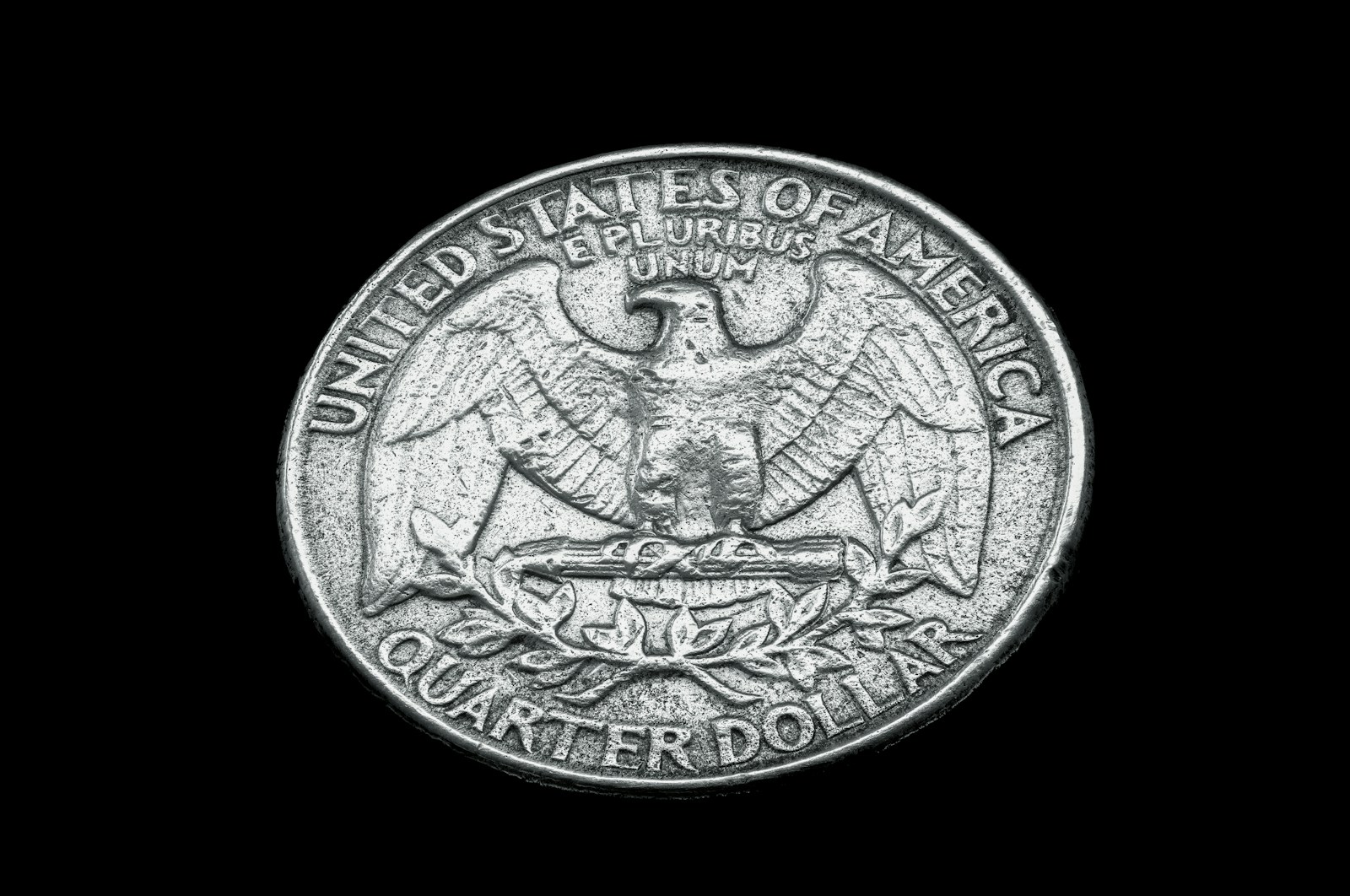
Off-center quarters are among the easiest error types for you to recognize, and the most valuable examples show a dramatic shift while still keeping the date fully visible. When a blank planchet is not seated correctly between the dies, the design is struck partly off the metal, leaving a crescent of blank surface and a distorted portrait or eagle. Collectors pay the strongest prices for pieces that are 50 percent or more off center yet still show the full date, because that combination proves when the coin was made and highlights the minting failure.
High-end off-center errors on larger denominations have brought record prices, and that same appetite for bold visual mistakes drives demand for quarters. A sharply struck, uncirculated off-center quarter with strong luster and a complete date can sell for hundreds, especially if the misalignment is extreme and the coin has been authenticated by a leading grading service. For you as a roll hunter or casual collector, any quarter with a clearly shifted design and readable date is worth pulling aside for closer evaluation.
2) Double-Struck Quarters With Visible Rotation
Double-struck quarters, where the coin is struck twice instead of once, can create spectacular errors that bring in serious money when both impressions are visible. In some dramatic cases, the second strike lands at a noticeable rotation from the first, producing overlapping portraits, doubled lettering, or a second reverse that partially covers the first design. Collectors prize these coins because they show the minting process going wrong in a way that is easy to see without magnification, which makes them ideal showpieces in an error collection.
When a double strike is bold and the coin remains well centered, values can climb into the hundreds, especially on modern quarters that are otherwise common. The most desirable examples show clear separation between the two strikes, with readable dates and legends in both impressions. If you encounter a quarter where the design appears to have a ghosted second image at a different angle, it is worth checking whether you are holding a genuine double-struck error that deserves professional grading and a spot in a specialist auction.
3) Broadstruck Quarters Without a Raised Rim
Broadstruck quarters occur when a coin is struck outside the retaining collar, causing the metal to spread outward and lose its normal raised rim. Instead of the tight, perfectly round shape you expect, a broadstruck quarter looks slightly larger in diameter, with design elements that seem to stretch toward the edge. Because the collar is responsible for forming the reeded edge and controlling the coin’s dimensions, its absence creates a distinctive, flattened appearance that experienced collectors can spot at a glance.
Well-preserved broadstruck quarters, especially those that remain fully detailed and uncirculated, can bring strong premiums over face value. The most valuable pieces show complete designs that are simply expanded, rather than clipped or cut off, which proves the coin was struck once in a misaligned setup rather than damaged after leaving the mint. For you, any quarter that looks too wide, lacks normal reeding, and still shows sharp detail is a candidate for a broadstrike attribution and may be worth far more than twenty-five cents.
4) Quarters Struck on Wrong Planchets
Wrong-planchet errors happen when a quarter design is struck on a blank intended for another denomination, and these mistakes can be extremely valuable because they combine two different coin types in one piece. For example, a quarter struck on a dime planchet will appear undersized, with parts of the design cut off by the smaller metal blank, while a quarter struck on a nickel or foreign planchet may have the wrong color, weight, or thickness. These mismatches are the result of stray planchets entering the wrong press line during production.
Collectors pay substantial premiums for wrong-planchet quarters because they are rare and require multiple failures in the minting process. A dramatic example is a high-value error coin highlighted in a detailed feature on extreme mint mistakes, where the wrong metal and denomination combined to create a record-setting sale. While not every wrong-planchet quarter will reach that level, authenticated pieces with clear weight and size discrepancies often sell for hundreds, making it essential for you to weigh and measure any suspiciously odd-looking quarter you find.
5) Double Denomination Quarter Errors
Double denomination errors occur when a previously struck coin is fed back into the press and struck again with dies for a different denomination, creating a wild hybrid that collectors aggressively pursue. In the context of quarters, this might involve a dime or cent that already carries its original design being overstruck with quarter dies, leaving traces of both denominations visible. The resulting coin can show overlapping portraits, mixed legends, and conflicting dates, all on a single piece of metal that was never supposed to exist.
Because double denomination errors require multiple, highly unlikely mishaps in the minting process, they are among the most coveted modern mistakes. Well-documented examples in other denominations have sold for very high prices, and similar quarter-based hybrids can easily reach into the hundreds or more when authenticated. If you ever see a quarter where another denomination’s design seems to peek through beneath the main image, you may be looking at a double denomination error that deserves immediate expert attention.
6) Major Die Cap and “Bottle Cap” Quarters
Die cap errors, sometimes called “bottle cap” coins, form when a struck quarter sticks to one of the dies and continues to strike subsequent planchets, gradually curling around the die face. Over multiple strikes, the metal flares upward, creating a tall, cupped shape that looks nothing like a normal coin. On the obverse or reverse, the design can become increasingly distorted, with later impressions showing blurred or missing details as the cap thickens and the metal flows in unexpected ways.
These dramatic three-dimensional errors are highly prized because they vividly illustrate how the minting machinery operates under stress. While die caps are more often seen and publicized on cents, quarter die caps are scarcer and can command strong prices when they retain their full height and structure. For you as a collector, any quarter that appears deeply cupped or folded upward around the design is not damage to ignore but a potential die cap error that specialists will pay a premium to own.
7) Dramatic Clipped Planchet Quarters
Clipped planchet quarters start with a blank that was improperly cut from the metal strip, leaving a curved or straight “bite” missing from the edge before the coin is ever struck. When that flawed blank goes through the press, the design is applied around the missing metal, producing a coin with a clean, crescent-shaped clip that interrupts the rim and sometimes the lettering. Collectors distinguish genuine clips from post-mint damage by looking for a “Blakesley effect,” a weakly struck rim directly opposite the missing area that proves the blank was incomplete at the time of striking.
Single, double, or even triple clips on quarters can all bring premiums, with larger and more visually obvious clips generally worth more. A sharply struck, uncirculated clipped quarter that shows clear diagnostic features can sell for many times face value, especially if the clip intersects important design elements like the date or mintmark. When you sort through change, any quarter with a smooth, curved gap and matching weakness on the opposite rim deserves a closer look as a potentially valuable clipped planchet error.
8) Quarters With Major Die Breaks and Cuds
Die breaks and cuds occur when part of the hardened steel die used to strike quarters cracks or breaks away, allowing metal to flow into the gap and create raised, blob-like areas on the finished coin. A cud specifically refers to a break that reaches the rim, producing a solid, featureless lump that replaces part of the design and border. These errors are different from scratches or gouges, because the extra metal is part of the original strike rather than damage added later.
Large cuds on quarters are popular with collectors because they are easy to see and can dramatically alter the coin’s appearance, sometimes swallowing entire letters or parts of the portrait. While small die cracks are relatively common and usually bring modest premiums, major cuds that dominate one side of the coin can sell for significantly more, especially in high grade. If you notice a quarter with a thick, raised blob connected to the rim that interrupts the normal design, you may have found a die break error worth far more than face value.
9) Misaligned Die Quarters With Off-Center Portraits
Misaligned die errors happen when one die, usually the obverse, is not perfectly centered over the other, causing the design on one side of the quarter to shift toward the edge while the opposite side remains correctly positioned. On a misaligned obverse, for example, George Washington’s portrait might crowd the rim at the top while the reverse design looks normal. This is different from a true off-center strike, where both sides are shifted together, and the distinction matters when you evaluate value and rarity.
Mild misalignments are relatively common and often bring only small premiums, but dramatic examples where the portrait nearly touches or clips the rim can be much more desirable. Collectors look for strong, original luster and minimal wear, because high-grade misaligned die quarters show the error more clearly and stand out in a collection. When you see a quarter where one side seems oddly “high” or “low” compared with the other, it is worth checking whether the misalignment is severe enough to interest error specialists.
10) Quarters With Missing Clad Layers
Modern U.S. quarters are made from a copper core sandwiched between two layers of copper-nickel, and errors can occur when one of those outer clad layers is missing. A quarter missing its obverse or reverse clad layer will show a bright copper surface on that side, similar in color to a cent, while the other side appears normal. The edge often reveals the mistake clearly, with the exposed copper core visible where the clad layer should have covered it.
Because the composition of modern coinage is tightly controlled, missing clad layer errors are relatively scarce and can bring strong premiums when authenticated. Well-preserved examples with full detail and a sharp transition between the copper and clad surfaces are especially desirable, and some can sell for hundreds depending on condition and eye appeal. If you encounter a quarter that looks half copper and half normal, resist the urge to clean it and instead consider having it evaluated as a missing clad layer error.
11) Quarters With Major Die Rotation
Die rotation errors occur when the obverse and reverse dies are not aligned at the standard 180-degree orientation, causing the designs on each side of the quarter to appear twisted relative to one another. To check for this, you can hold the coin with the obverse upright, then flip it top to bottom; on a normal quarter, the reverse should also appear upright, but on a rotated die error, it will be noticeably tilted. Minor rotations are fairly common, but dramatic rotations of 45 degrees or more are much scarcer and more valuable.
Collectors enjoy rotated die quarters because the error is easy to demonstrate and share, making them popular conversation pieces at shows and club meetings. High-grade examples with extreme rotation can command strong prices, especially when the degree of rotation has been measured and certified by a grading service. When you test your quarters for rotation, any coin where the reverse appears significantly sideways or upside down compared with the obverse deserves further investigation as a potential high-value error.
12) Multiple Error Quarters Combining Two or More Mistakes
Multiple error quarters, which combine two or more distinct minting mistakes on a single coin, are among the most exciting finds you can make in circulation. Examples might include a quarter that is both off center and clipped, or a wrong-planchet piece that also shows a dramatic die break. Because each error type already requires a specific failure in the minting process, the odds of two or more occurring together on the same coin are extremely low, which is why these pieces attract intense collector interest.
When multiple errors interact in a visually striking way, values can climb rapidly, sometimes rivaling the prices paid for more famous error types in other denominations. Specialists look for coins where each error is clearly identifiable and not the result of post-mint damage, and they often submit such pieces for certification to document the full range of mistakes. If you ever spot a quarter that seems to break more than one rule of normal minting at once, you may be holding a multiple error coin that can bring in hundreds from the right buyer.
Leave a Reply