Your closet can quietly swallow square footage, time, and money when it is packed with things you never actually wear. Professional organizers say the fastest way to reclaim control is to identify specific categories that should go straight to the donation bin or trash. Use this list of 12 things to throw away this week to clear space for clothes and accessories that truly earn their hanger.
1) Clothes that don’t fit or flatter anymore
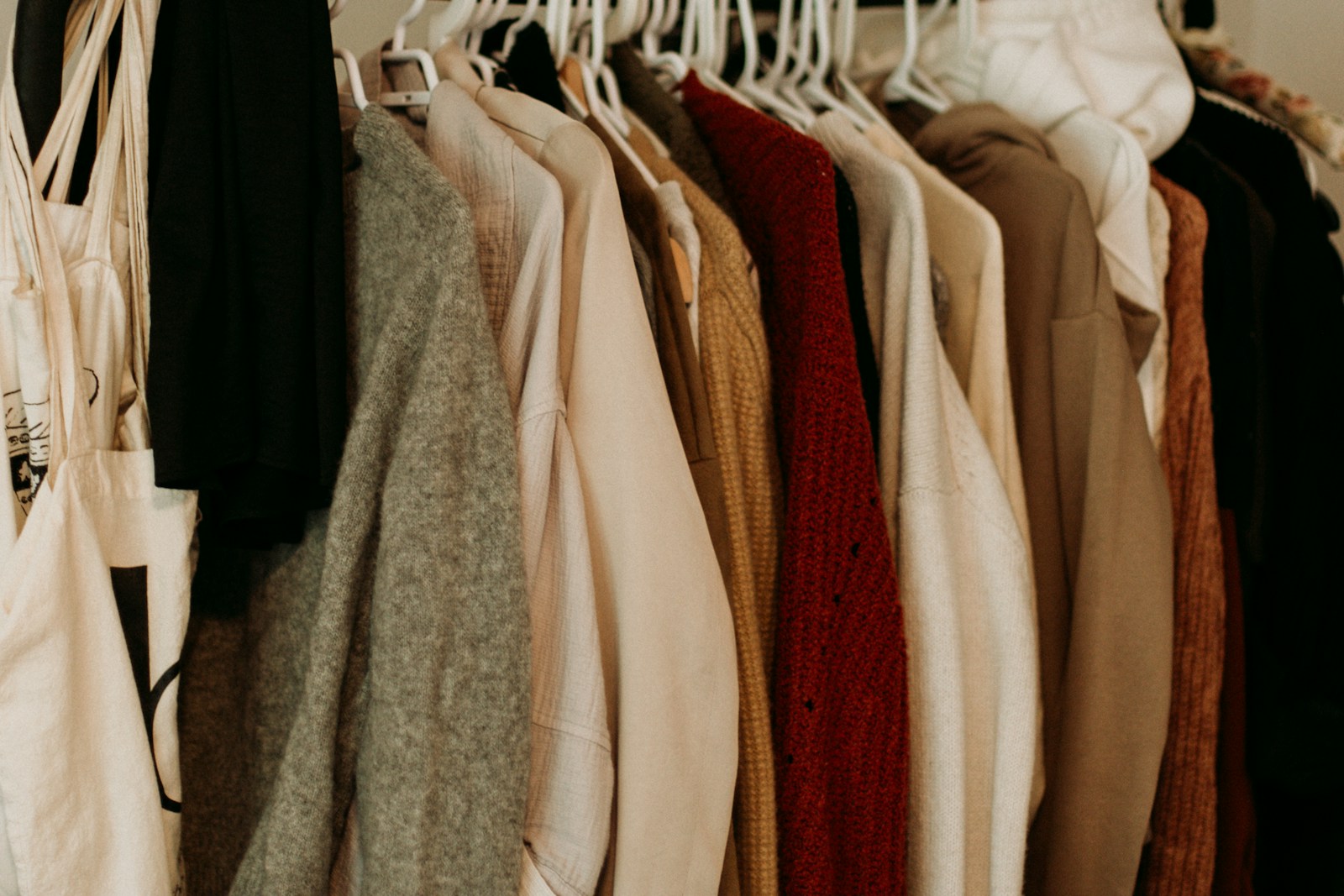
Clothes that no longer fit or flatter are prime candidates for removal, and organizers in closet clean‑out tips stress that they take up valuable space you could use for pieces you reach for daily. When you keep jeans that dig in at the waist or a blazer that pulls at the shoulders, you are not preserving options, you are preserving guilt. These items also slow down your morning routine because you keep trying them on, hoping they will magically work.
Letting go of ill‑fitting pieces is not about giving up on health or body goals, it is about dressing the body you have now. When your closet holds only clothes that sit comfortably and look good, you make faster decisions and feel more confident in what you choose. That shift has real stakes for your budget and stress levels, because you stop panic‑buying “emergency” outfits to replace things that never really worked.
2) Stretched‑out basics and “just in case” damaged pieces
Stretched‑out basics and damaged “just in case” pieces are another category experts flag as non‑negotiable clutter. In guidance on items you absolutely must toss, organizers call out sagging T‑shirts, pilled leggings, and sweaters with tiny holes that you keep for painting or errands. These items rarely leave the house, yet they occupy the same prime real estate as your best outfits. Their worn fabric and faded color also drag down the overall quality of your wardrobe.
Holding on to damaged basics sends a subtle message that you do not deserve better for everyday wear. Replacing them with a small set of well‑made tees or leggings instantly upgrades how you look on grocery runs and school drop‑offs. It also simplifies laundry and storage, because you are not sorting through piles of “almost unwearable” clothes to find the few pieces that still feel good.
3) Tired loungewear and misshapen pajamas lurking in the closet
Tired loungewear and misshapen pajamas often migrate from the bedroom into the closet, where they quietly multiply. Designers interviewed in things to toss from your bedroom point to stretched‑out sleep shirts, saggy joggers, and faded robes as clutter that makes your space feel less restful. When elastic is shot, fabric is threadbare, or stains never quite wash out, those pieces no longer serve you, even if they technically still fit.
Upgrading to a small rotation of intact, comfortable loungewear has outsized impact on how you wind down at night and wake up in the morning. Instead of starting and ending your day in clothes that signal “worn out,” you step into pieces that feel intentional. That shift supports better sleep hygiene and makes your closet look more curated, not like a holding pen for every old college T‑shirt you ever owned.
4) Out‑of‑season clothes you never wore last year
Out‑of‑season clothes you never touched last year are a clear signal that something can go. Organizing pros in a checklist of things to throw out ASAP in September recommend reviewing last season’s items as you swap wardrobes. If you did not wear a particular sundress, linen shirt, or pair of shorts even once, despite having the weather for it, chances are high you will skip it again next year. Keeping it only crowds out pieces you genuinely enjoy.
Using a simple hanger‑flip or app‑based tracking system for one season can make this decision almost automatic. When you see which items never left the rod, you can donate them while they are still in style and wearable for someone else. That habit keeps your closet aligned with your real life instead of an idealized version of how you think you dress.
5) Tag‑on impulse buys and regret purchases
Tag‑on impulse buys and regret purchases are another category experts say to release. In advice on things to remove from your life in 2025, an organising specialist highlights fashion pieces that still have tags months or years later. Maybe it was a sale blazer in a color you never wear, or a trendy cut of jeans that never felt like “you.” Keeping these items often triggers shame about money spent and bodies changed, yet they never earn their place in your rotation.
Letting them go reframes the purchase as a lesson rather than a permanent mistake. You free up hangers for clothes that match your current style and lifestyle, and you become more intentional about future shopping. The broader trend here is toward mindful consumption, where your closet reflects your values instead of your most impulsive moments.
6) Uncomfortable, damaged, or never‑worn shoes
Uncomfortable, damaged, or never‑worn shoes are a classic space hog. Organizers in the same must‑toss list call out heels that always give you blisters, boots with cracked soles, and sneakers whose cushioning is shot. These pairs linger because they were expensive or once beloved, but if you avoid them every time you get dressed, they function as clutter, not options. Worn‑out shoes can also cause foot, knee, and back pain, turning a fashion issue into a health one.
A practical test is to ask whether you would wear each pair for a full day of errands or a commute. If the answer is no, consider donating gently used styles and recycling or discarding anything structurally compromised. Streamlining your shoe collection makes it easier to see what you own, reduces decision fatigue, and nudges you toward footwear that actually supports your body.
7) Duplicate tops, jeans, and near‑identical pieces
Duplicate tops, jeans, and near‑identical pieces are another subtle drain on closet space. Experts in closet editing advice suggest lining up similar items and asking how many you truly need. If you own five nearly identical black T‑shirts or three pairs of skinny jeans in the same wash, you are not gaining versatility, you are diluting it. The extras make it harder to find the one or two versions that actually fit best and feel most comfortable.
Paring duplicates down to your top one or two in each category creates breathing room on the rod and shelves. It also reveals genuine gaps, such as realizing you have no dark jeans that work with ankle boots or no white shirt that layers well under sweaters. That clarity helps you shop with purpose instead of reflexively buying another version of what you already own.
8) Old socks, stretched‑out underwear, and mismatched intimates
Old socks, stretched‑out underwear, and mismatched intimates are small items with outsized impact on clutter. Designers quoted in bedroom declutter advice point to overstuffed drawers of single socks, frayed bras, and faded underwear as a common source of mess. Because these pieces are hidden, they are easy to ignore, but rummaging through them every morning wastes time and starts the day with low‑grade frustration.
Replacing a chaotic drawer with a modest set of intact, comfortable basics changes that experience. You can see everything at a glance, grab what you need, and know it will fit properly. On a broader level, upgrading your foundational layers supports better hygiene and comfort, which affects how every outfit feels from the inside out.
9) Worn‑out belts, dated scarves, and never‑used accessories
Worn‑out belts, dated scarves, and never‑used accessories tend to accumulate in bins and hooks, quietly tangling up your closet. Organizers in the September checklist of things to get rid of highlight tired accessories as ideal candidates for a seasonal reset. Cracked faux‑leather belts, scarves in colors you no longer wear, and costume jewelry that irritates your skin are unlikely to stage a comeback, yet they crowd out the few pieces you actually reach for.
Editing these categories down to a small, cohesive set has real styling benefits. When you can see your best belt, scarf, or necklace quickly, you are more likely to use it to finish an outfit. That makes your existing clothes feel fresher, reducing the urge to buy new garments when a smarter accessory choice would do.
10) “Someday” or “goal size” outfits
“Someday” or “goal size” outfits are emotionally loaded items that often block progress. The organising expert in new‑year declutter guidance singles out clothes you are saving for a future “ideal” size as things to remove from your life in 2025. These pieces, whether a too‑small cocktail dress or jeans from a past decade, can act as daily reminders of perceived failure. Instead of motivating change, they keep you stuck in comparison with an old version of yourself.
Releasing them creates space for clothes that honor your current body and lifestyle. It also shifts your focus from chasing a number on a tag to investing in health and comfort right now. For many people, that mindset change is more powerful than any single organizing trick, because it turns the closet into a place of acceptance rather than pressure.
11) Broken hangers, flimsy organizers, and awkward storage bins
Broken hangers, flimsy organizers, and awkward storage bins may not be clothing, but they directly affect how usable your closet feels. Experts in professional closet tips advise tossing warped wire hangers, cracked plastic, and bulky bins that do not fit your shelves. These items cause clothes to slip to the floor, wrinkle, or disappear into hard‑to‑reach corners. They also visually clutter the space, making it harder to see what you own.
Upgrading to a consistent set of sturdy hangers and right‑sized containers instantly increases capacity without adding square footage. When every piece has a stable, visible home, you are less likely to rebuy items you already own or forget about favorites. That functional foundation supports every other decluttering decision, because it rewards you with a closet that is easier to maintain.
12) Excess anything that blocks pro‑approved systems
Excess of any category becomes a problem when it blocks simple organizing systems. Experts in pro‑approved closet tips recommend strategies like grouping by type and color, using uniform hangers, and reserving eye‑level space for everyday items. Anything that prevents you from implementing those systems, whether it is a tenth black dress or a pile of random tote bags, is a candidate to toss or donate. The goal is not minimalism for its own sake, but a closet where you can see and access what you love.
At the same time, organizers caution against discarding certain sentimental or high‑value pieces too quickly. Guidance on things you should never throw away points to items like important documents, select memorabilia, or quality tools that deserve careful storage, not the donation bin. The key distinction is whether an item supports your current life or holds irreplaceable value. When you apply that filter consistently, you can clear out true clutter while still protecting what matters most.
Leave a Reply