A ruthless pantry clean-out is one of the fastest ways to protect your health, cut food waste, and make everyday cooking easier. If you have not checked dates, packaging, or quality in a while, there are likely several items you should not keep another day. Start with these eight common culprits so your shelves only hold food that is safe, fresh, and actually useful.
1) Cooking oils that smell or taste off
Cooking oils are at the top of the list because they quietly go rancid long before you might expect. Guidance on 12 common pantry staples explains that oils such as canola, vegetable, and olive oil can spoil if stored too long, and that most oils are good for only 6 to 12 months when kept in a cool, dark place. Once the fat breaks down, you will notice a paint-like aroma, bitter flavor, or sticky residue around the bottle.
Keeping rancid oils in your pantry does more than ruin dinner, it can introduce off flavors into every dish you cook and signal that the fat has oxidized. That oxidation is exactly what you want to avoid when you are trying to eat for long term health. Go through every bottle, especially large jugs you rarely finish, and discard anything past its prime or with a questionable smell, then buy smaller sizes you can use within a year.
2) Herbs and spices with no aroma
Herbs and spices lose their punch gradually, so it is easy to ignore them for years. A rundown of things in your pantry you should throw away ASAP singles out herbs and spices as items that often linger long past their useful life. When you open the jar and barely smell anything, the volatile oils that provide flavor are already gone, even if the contents still look fine.
Hanging on to lifeless spices has real consequences, because you end up using more salt, sugar, or fat to compensate for bland seasoning. That can work against health goals and still leave food tasting flat. Check the “best by” dates, rub a pinch between your fingers, and toss anything that does not release a strong scent. Replacing a few key basics like chili powder, cinnamon, and dried oregano will immediately improve every recipe you cook.
3) Flours that are stale or buggy
Flours sit quietly on pantry shelves, but they are another category that deserves scrutiny. The same list of common pantry staples to purge highlights flours as products that can go stale or harbor pests. Whole grain flours, which contain more natural oils, turn rancid faster than refined all purpose flour, and any paper bag that has been open for months is a potential magnet for pantry moths or weevils.
Using old flour affects more than flavor, it can flatten baked goods and spread insects to other dry goods. If you see webbing, tiny beetles, or off smells, discard the entire bag immediately and inspect neighboring items. Going forward, transfer fresh flour to airtight containers, label them with the purchase date, and store whole grain varieties in the refrigerator or freezer to extend their life and protect your baking results.
4) Baking powder, baking soda, and yeast that no longer work
Leavening agents are small containers with big impact, and once they lose potency, every cake, muffin, or loaf you bake will suffer. A guide to baking powder, baking soda, and yeast notes that these staples are frequent offenders when it comes to quiet expiration. Even if the canister looks fine, the chemical reaction that creates lift weakens over time, especially if moisture has crept in.
Keeping ineffective leaveners wastes ingredients and time, because you only discover the problem when your baked goods emerge dense and heavy. Test baking powder by stirring a teaspoon into warm water to see if it bubbles vigorously, and check yeast by blooming it in warm water with a pinch of sugar. Anything that fails these quick tests should go straight into the trash so your next batch of bread or pancakes actually rises.
5) Dry rice and pasta with signs of pests
Dry rice and pasta seem indestructible, but they are not immune to age or infestation. The same overview of things in your pantry you should throw away ASAP includes these staples because they can attract insects when stored for long periods, especially in thin plastic or torn cardboard. Tiny holes in packaging, clumping, or specks that move are all red flags.
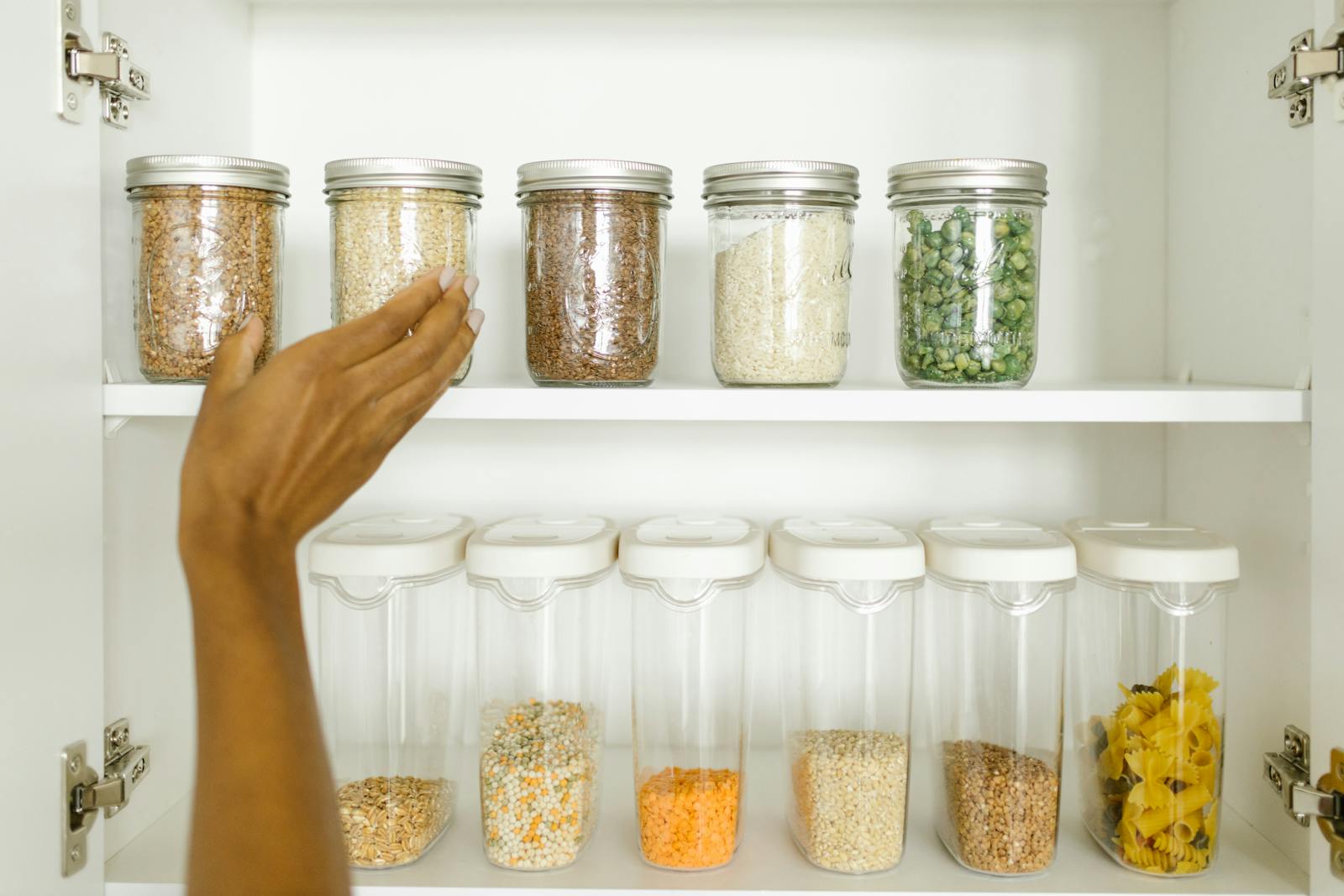
Ignoring those signs can allow pests to spread into cereal, flour, and snacks, turning a minor problem into a full pantry reset. If you find bugs in one bag, discard it in a sealed trash bag, then inspect every nearby item. Going forward, decant new rice and pasta into glass or heavy plastic containers with tight lids, label them clearly, and rotate older stock to the front so you use it before quality declines.
6) Forgotten cans and jars with damage
Canned and jarred foods are designed for long storage, but they are not permanent. Organizing advice on pantry items to toss stresses that you should discard any can that is bulging, badly dented along the seams, or rusted, and any jar with a compromised seal. Those physical changes can indicate bacterial growth inside, including the risk of botulism, which is a serious foodborne illness.
Keeping questionable cans because they “might be fine” is not worth the gamble, especially when safer options are inexpensive. Scan every shelf for damage, sticky residue, or missing labels that make it impossible to identify contents and dates. When in doubt, throw it out, then restock with a smaller, clearly labeled selection you know you will use within a reasonable timeframe so your emergency stash stays both safe and practical.
7) Long-open condiments and sauces
Condiments and sauces often linger in the back of the pantry or fridge door long after you stop using them. A checklist of things in your kitchen you should throw away now points out that opened jars and bottles have much shorter lives than their unopened counterparts, especially if they contain dairy, eggs, or fresh ingredients. Separation, mold, or sour smells are clear signs that the product is no longer safe.
Letting old condiments accumulate clutters shelves and increases the odds you will accidentally drizzle something spoiled onto a meal. Go through every bottle, check the “refrigerate after opening” instructions, and be honest about how often you use each sauce. Toss anything past its recommended window or with visible changes, then commit to buying fewer specialty condiments so you can finish them while they still taste the way they should.
8) Cracked plastic containers and stained storage
Not everything you should purge is edible. Household guidance on items to toss when you deep clean highlights old plastic containers that are cracked, warped, or permanently stained. Damage can make lids stop sealing properly, which invites pests into dry goods, and deep scratches may trap residue that is difficult to clean, raising hygiene concerns.
Holding on to worn storage also makes your pantry harder to organize, because mismatched lids and unstable stacks waste space. Sort through every bin and container, discarding pieces that no longer close tightly or that smell strongly of previous contents. Replacing them with a smaller set of sturdy, airtight containers will protect ingredients, make it easier to spot what you have, and support any decluttering work you do based on pro organizer advice about what belongs in your pantry.
Leave a Reply