Your closet can quietly fill up with shoes that are not just clutter, but also bad for your feet, posture, and even basic safety. If you want a wardrobe that actually supports your daily life, you need to be ruthless about what stays and what goes. Use this list to spot eight types of shoes you should throw out immediately so every pair you keep earns its space.
1) Completely Worn-Out Running Shoes
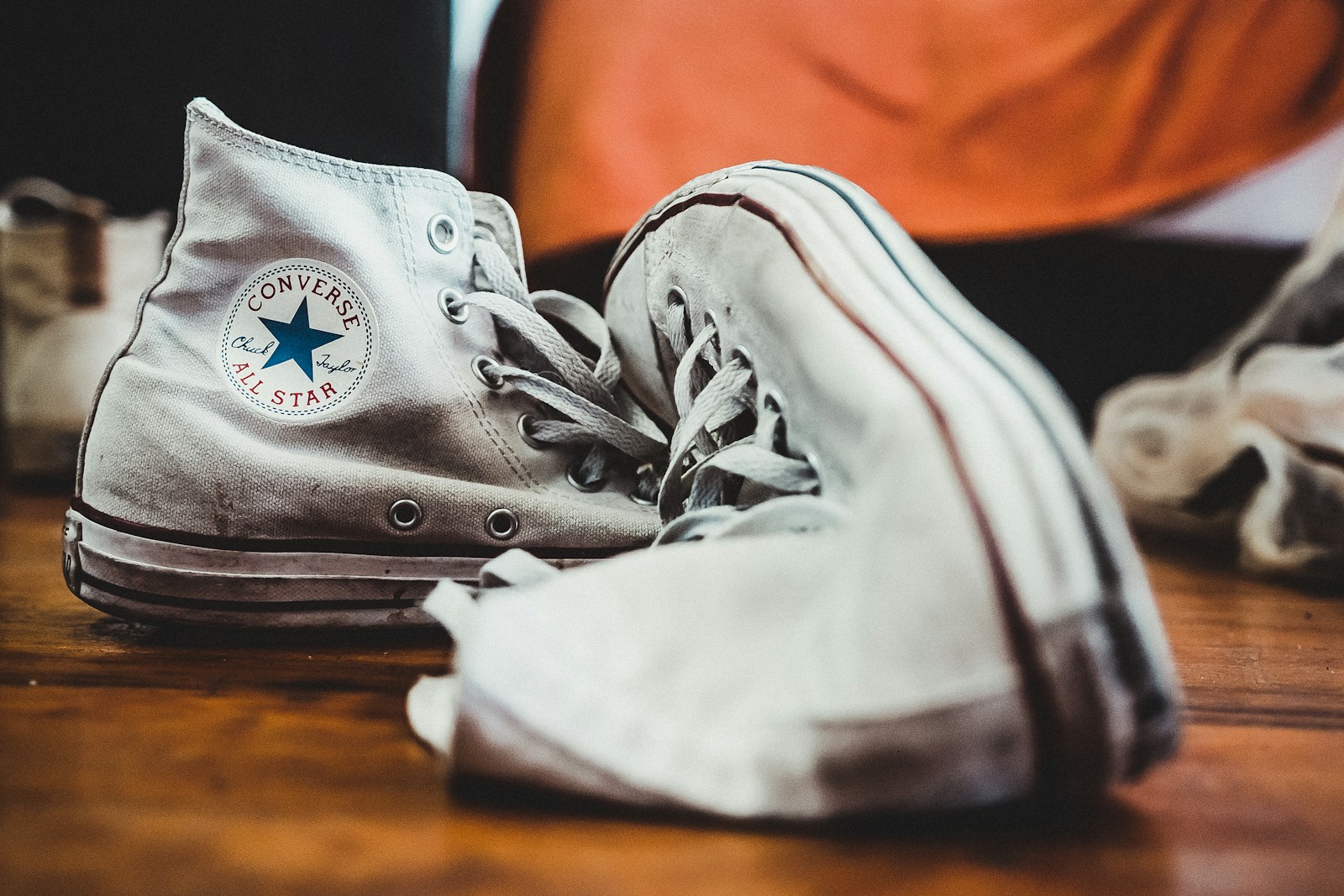
Completely worn-out running shoes are the first pairs you should toss, because once the cushioning and tread are shot, they stop absorbing impact and start transferring stress to your joints. Just as kids quickly outgrow toys that no longer match their needs, long-term comfort depends on gear that still performs, not just takes up space, a point echoed in guides to durable everyday items. When midsoles are creased, outsoles are bald, or you feel new aches after short walks, the shoes are no longer doing their job.
Keeping dead sneakers has real consequences, from shin splints to lower-back pain, especially if you stand all day or commute on foot. Instead of donating pairs that are structurally broken, retire them to the trash and replace them with shoes that still provide firm heel support and responsive cushioning. Treat running shoes like any other high-use tool: once they stop working, they are clutter, not backup.
2) High Heels With Unstable, Wobbly Heels
High heels with unstable, wobbly heels belong in the bin because they turn every step into a fall risk. Interior experts often urge people to clear out décor that is both dated and hazardous, such as fragile items that topple easily, and the same logic applies to footwear that cannot stand upright without support, as seen in advice on removing unsafe household pieces. If the heel post wiggles, the sole is peeling away, or the shoe leans when placed on a flat surface, the structure is compromised.
Continuing to wear these shoes can lead to twisted ankles, strained ligaments, and chipped sidewalks or stairs if the heel suddenly snaps. Even if the upper still looks pristine, instability means the shoe is functionally broken. Prioritize pairs with block heels, secure shanks, and non-slippery soles, and treat any heel that feels like it might buckle as an immediate discard, not a “special occasion” backup.
3) Peeling Faux-Leather Flats
Peeling faux-leather flats should go straight into the trash because flaking material signals that the upper is degrading, not just scuffed. Organizing experts often warn that once an item’s surface is breaking down, it sheds debris and creates mess, the same way cracked décor finishes can litter shelves, a pattern that shows up in guidance on seasonal decluttering. When your flats leave little curls of “leather” on the floor or inside your bag, they are past the point of repair.
Beyond the cosmetic issue, peeling uppers can split at flex points, exposing seams and leaving your feet vulnerable to rain and friction. That deterioration also makes the shoes look unprofessional, even if the soles are intact. Instead of keeping them as “emergency” pairs, replace them with simple, well-constructed flats in real leather or high-quality synthetics that can handle daily bending without disintegrating.
4) Shoes With Crumbling Insoles
Shoes with crumbling insoles are another category you should throw out immediately, because once the footbed starts to disintegrate, you lose both comfort and support. Just as winter car safety advice warns against leaving items that can crack or leak in extreme temperatures, such as certain liquids or electronics, footwear that is literally breaking apart underfoot is no longer safe, a principle that mirrors guidance on protecting essential gear. If the insole foam turns to dust, flakes, or sticky residue, the shoe is failing from the inside.
Walking on that uneven, collapsing surface can change your gait, aggravate plantar fasciitis, and create hot spots that quickly become blisters. While removable insoles can sometimes be replaced, pairs where the entire interior is glued-in and crumbling are not worth salvaging. Toss them and look for shoes with removable, supportive footbeds you can swap out as they wear, instead of letting hidden damage undermine your posture.
5) Moldy or Mildew-Smelling Sneakers
Moldy or mildew-smelling sneakers should never get a second chance, because persistent odor often signals fungal growth in the fabric and padding. Donation experts consistently caution against passing along items that are stained, contaminated, or hard to sanitize, such as certain textiles and worn-out linens, a standard that applies directly to footwear in lists of items you should not donate. If shoes smell sour even after washing, or show black or green spotting, they are not hygienic.
Continuing to wear them can contribute to athlete’s foot, nail infections, and skin irritation, especially if you sweat heavily or share living spaces where shoes are stored close together. Instead of trying to mask the smell with sprays, cut your losses and discard them in a sealed bag. Going forward, rotate pairs, use breathable materials, and fully dry sneakers between wears so moisture does not turn your closet into a breeding ground.
6) Flip-Flops With Flattened Footbeds
Flip-flops with flattened footbeds are another type you should throw out, because once that thin foam compresses, you are essentially walking barefoot on hard ground. Organizing advice about clearing out low-quality, disposable items, such as flimsy seasonal décor, highlights how cheap pieces quickly lose function and become clutter, a pattern that also fits worn beach shoes often mentioned in summer clean-out checklists. If your flip-flops show a deep imprint of your foot and no remaining bounce, they are no longer protective.
That lack of cushioning and arch support can trigger heel pain, calf tightness, and even knee strain when you wear them beyond short walks to the pool or shower. The thin soles also make it easier to feel rocks, hot pavement, and stray glass. Replace them with sandals that have contoured footbeds, thicker soles, and secure straps so casual footwear still supports your body instead of undermining it.
7) Dress Shoes With Severely Slippery Soles
Dress shoes with severely slippery soles should be removed from your rotation, because slick leather bottoms can turn wet sidewalks and polished office floors into hazards. Decluttering guidance often singles out household items that create unnecessary risk, such as unstable glass pieces or sharp, unused gadgets, and the same risk-based thinking applies to footwear that cannot grip, a theme that aligns with advice on eliminating dangerous decorative clutter. If you slide when you pivot or feel unsure on stairs, the outsole is failing you.
While a cobbler can sometimes add rubber treads, many budget dress shoes are not worth the investment once the sole is worn smooth. Continuing to wear them increases your chances of falls, especially in rain or on subway steps. Prioritize pairs with textured rubber or hybrid soles, and treat any shoe that feels like ice skates on tile as a candidate for immediate disposal, not occasional wear.
8) Kids’ Shoes That Are Clearly Too Small
Kids’ shoes that are clearly too small should be thrown out or responsibly recycled, because cramped toes and tight heels can affect gait and long-term foot development. Gift guides that focus on items children will not quickly outgrow emphasize choosing gear with room to grow and lasting usefulness, a principle that applies directly to footwear sizing in discussions of kid-friendly essentials. If you see imprinted toe shapes on the upper or your child complains about rubbing, the shoes are overdue for replacement.
Holding on to undersized pairs “just in case” encourages kids to squeeze into them for one more event, which can cause blisters, ingrown toenails, and reluctance to be active. Instead, check fit regularly, especially around growth spurts, and move outgrown shoes out of circulation immediately. When they are too worn or dirty to pass along, discard them so they do not accidentally end up back on someone’s feet.
Leave a Reply