
Your attic is supposed to store what truly matters, not everything you have been avoiding. When boxes start collapsing and you cannot remember what is up there, it is time to make hard choices. By focusing on specific categories you will never miss, you can finally throw things away, reclaim space, and make your home safer and easier to maintain.
1) Crumbling cardboard boxes and ruined packaging
Crumbling cardboard boxes and ruined packaging are some of the easiest attic items to throw away, because they are literally falling apart. When boxes sag, smell musty, or show water stains, they are no longer protecting what is inside. Organizing experts who flag deteriorating storage in garages and utility spaces, such as the guidance on what to toss from your garage, highlight how flimsy containers quickly become clutter instead of help.
In an attic, those same weak boxes attract pests, trap dust, and make it harder to see what you own. Recycle the damaged cardboard, discard any packaging that is empty or unusable, and transfer anything worth keeping into sturdy, labeled plastic bins. Clearing this layer of decayed packaging immediately improves safety, reduces fire risk, and makes every later decluttering decision easier.
2) Old paint cans and dried-up home supplies
Old paint cans and dried-up home supplies often migrate from the garage to the attic when you are unsure what to do with them. Once paint has separated into thick sludge or the lid is rusted shut, it is no longer a reliable match for your walls. Organizing advice that singles out expired chemicals and half-used project materials in utility areas applies just as strongly upstairs, where temperature swings can ruin products even faster.
Keeping these cans in the attic also adds unnecessary weight and potential mess if they leak. Check local rules for hazardous waste disposal, then remove anything you cannot stir back to a smooth consistency. The same goes for dried caulk tubes, hardened spackle, and unusable adhesives. Letting them go frees up shelves for items you actually use and reduces the chance of a messy spill over insulation or stored furniture.
3) Broken holiday decorations you never repair
Broken holiday decorations you never repair are classic attic clutter. If a string of lights has dead sections, an artificial tree is missing key branches, or ceramic ornaments are chipped beyond easy gluing, they are not adding joy to your celebrations. Once you have skipped fixing them for several seasons, they have effectively become trash that happens to be stored in a sentimental box.
Holding on to these damaged pieces also crowds out the decorations you do love and use. Sort through each bin and separate working items from broken ones, testing lights before you put them away. Toss anything that is unsafe, such as frayed cords or cracked plastic that sheds shards. By editing down to functional, meaningful decor, you make future decorating faster and protect your family from hazards.
4) Sentimental clutter you never look at
Sentimental clutter you never look at, such as old greeting cards, school programs, and random souvenirs, often ends up in attic boxes labeled “memories.” Guidance on letting go of emotional items, like the advice about sentimental clutter to release, emphasizes that you do not have to keep every object to preserve a memory. When piles of paper and trinkets sit untouched for years, they are functioning as guilt, not as meaningful keepsakes.
Instead of saving every card or ticket stub, choose a small selection that still makes you feel something when you see it. Photograph bulky items, such as trophies or kids’ crafts, and keep the digital images instead of the physical pieces. By curating what stays, you protect the memories that matter while freeing your attic from boxes you never open.
5) Outgrown baby gear and kids’ equipment
Outgrown baby gear and kids’ equipment, from infant car seats to toddler beds, can quietly swallow an entire attic corner. Once safety standards change or straps and foam begin to age, many of these items are no longer safe to use. Storing them “just in case” often means you are keeping bulky, obsolete gear that no future child should rely on.
Go through strollers, swings, bouncers, and play yards with a critical eye. If you would not confidently use an item again, it should not stay in your home. Donate only what is clean, complete, and still meets current guidelines, and responsibly discard anything damaged or expired. Clearing this category opens up significant space and removes the emotional pressure to hold on to every stage of your child’s life in physical form.
6) Worn-out linens and extra bedding
Worn-out linens and extra bedding often get banished to the attic “for guests” or “for painting,” then never see daylight again. Yellowed pillows, threadbare sheets, and blankets with permanent stains are not items you would proudly offer anyone. When advice on things you will not regret tossing highlights tired textiles, it reflects a simple truth: once fabric is past its prime, it rarely comes back into regular rotation.
Sort through every bag and box of linens, checking for holes, odors, and elastic that has lost its stretch. Keep only a small, high-quality backup set for each bed and a couple of spare blankets. Donate usable pieces to animal shelters if they accept them, and discard the rest. Your attic will feel lighter, and your linen closet will be easier to manage.
7) Random appliance parts and mystery cables
Random appliance parts and mystery cables accumulate in attics when you are afraid to throw away something that “might be important.” Old router cords, obsolete phone chargers, and brackets from long-gone shelves rarely find a second life. Once the device they belonged to is broken, donated, or replaced, those accessories become clutter that only makes it harder to find the cords you actually need.
Gather every cable, remote, and hardware bag into one spot and match what you can to current electronics. Recycle outdated or duplicate cords through e-waste programs, and toss unidentifiable plastic bits and bent brackets. By eliminating this tangle, you reduce fire risk, avoid tripping hazards, and make it easier to maintain the technology you still use.
8) Old magazines, catalogs, and paper piles
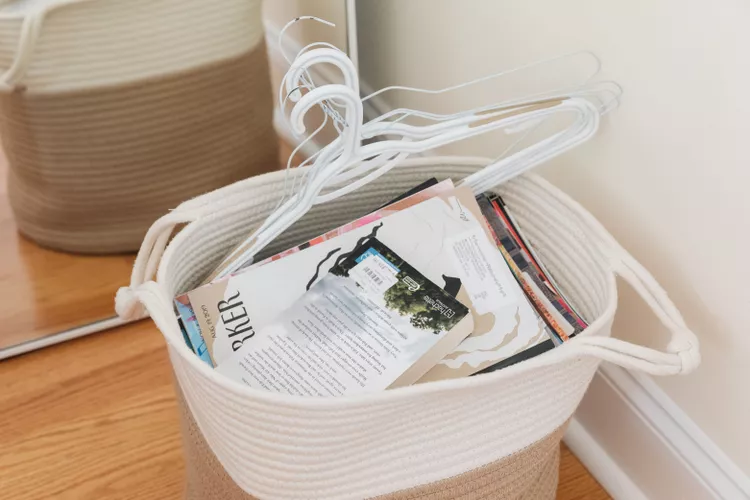
Old magazines, catalogs, and paper piles are some of the heaviest and dustiest things hiding in attics. Stacks of back issues from years ago, outdated mail-order catalogs, and random clippings create a fire hazard and attract pests. If you have not referenced a particular issue in years, it is unlikely you ever will, especially when the same information is usually available online.
Flip quickly through any stack and tear out only the few pages you truly want to keep, such as a favorite recipe or project idea. Recycle the rest immediately so it does not migrate back into storage. Reducing this paper load not only clears shelves but also improves air quality, since old paper sheds dust and can harbor mold in humid climates.
9) Extra kitchenware you never bring downstairs
Extra kitchenware you never bring downstairs, like mismatched plastic containers, chipped mugs, and duplicate casserole dishes, often ends up boxed in the attic after a move. Advice on items you will not regret discarding, including categories like worn-out containers and excess drinkware in lists of things you will not miss, underscores how easy it is to over-save in the kitchen. If you have not retrieved a pan or platter for several holidays in a row, it is not essential.
Open each box and ask whether any item fills a real gap in your current kitchen. Keep only high-quality pieces you would happily use today and donate the rest if they are in good condition. Toss anything cracked, stained, or warped. Your attic will lose dead weight, and your everyday cabinets will be simpler to organize.
10) Furniture you are “saving” with no plan
Furniture you are “saving” with no plan, such as sagging sofas, scratched coffee tables, and wobbly chairs, can dominate attic square footage. If a piece has been up there for several years without a clear destination, it is effectively abandoned. Storing it indefinitely costs you space and may even damage the structure of the attic if the load is excessive.
Evaluate each item as if you were seeing it in a thrift store. Would you pay money for it today, in its current condition, for your current home? If not, it should be donated, sold, or discarded. Releasing these bulky pieces lets you use the attic for purposeful storage instead of as a furniture graveyard, and it removes a constant, silent source of clutter from your mind.
More from Willow and Hearth:
Leave a Reply