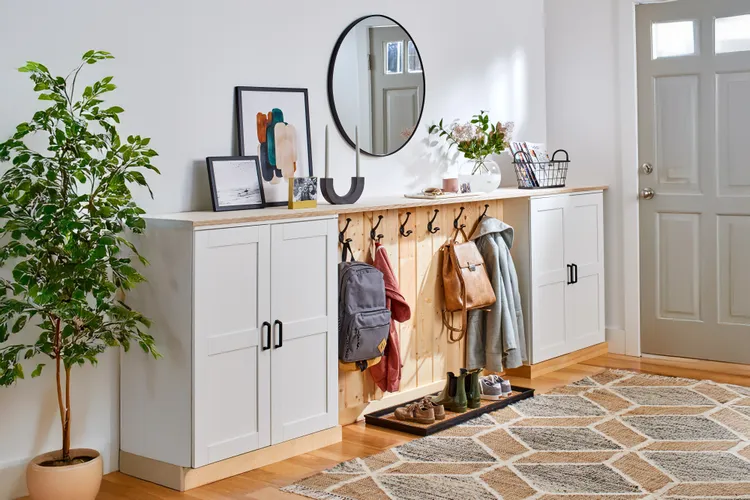
Your entryway sets the tone for your entire home, but it is also where clutter quietly piles up. If you want a calmer, more functional space, you need to treat this zone like a high-traffic workhorse and ruthlessly remove what no longer serves you. Start with the small, easy wins, then move on to the hidden clutter that is stealing storage from the things you actually use every day.
1) Expired Mail And Flyers
Expired mail and flyers are some of the fastest clutter culprits in an entryway, and they rarely deserve the prime real estate they occupy. Professional organizers routinely flag outdated paper as one of the first categories you should toss, just as they urge you to clear worn-out tools and gadgets in guides to items you should throw away right now. When you let old coupons, circulars, and junk mail sit by the door, you create visual noise that makes it harder to spot the documents that actually matter.
For you, that clutter has real consequences: missed bills, lost invitations, and a constant sense of being behind. Set a small recycling bin or shredder near the entry and commit to dealing with every piece of paper the moment it comes in. Anything that is expired, duplicated, or easily accessible online can go immediately, freeing up space for a slim tray or wall file that holds only current essentials.
2) Broken Umbrellas
Broken umbrellas tend to linger in entryway baskets and coat closets because you tell yourself you might fix them someday. In practice, a bent frame or a canopy that no longer closes smoothly means you will reach for a different umbrella when it actually rains. Organizing experts often group these “just in case” items with other household castoffs that should be discarded quickly, since they take up the same valuable storage as functional gear.
Keeping damaged umbrellas also creates a false sense of preparedness. You think you are covered for bad weather, but when a storm hits, you discover that half your umbrellas are unusable. The stakes are simple: you risk arriving at work or school soaked, late, and frustrated. Sort every umbrella at the door, test it fully open and closed, and immediately toss any that snag, leak, or wobble. Then store the remaining ones upright in a narrow stand so you can see exactly what you have.
3) Single Gloves And Orphaned Winter Gear
Single gloves, lone mittens, and random hats without partners quietly accumulate near the front door. They feel too good to throw away, yet they are not actually wearable as a set. Organizing guidance that warns you not to discard truly valuable items, such as heirlooms or important documents that professional organisers always save, also implies the flip side: everyday textiles with no practical use do not merit long-term storage.
When you keep every stray glove “just in case,” you crowd out the complete pairs your household actually needs on cold mornings. That clutter slows everyone down as they dig for matching sets before school runs or commutes. To reset, gather all winter accessories in a single pile, match what you can, and give yourself a short deadline for missing partners to reappear. After that, donate usable singles to craft or school programs that repurpose textiles, and reserve your entryway bins for full, ready-to-wear sets.
4) Worn-Out Welcome Mats
Worn-out welcome mats might seem harmless, but they are one of the first things guests see and one of the last items people think to replace. Over time, fibers flatten, rubber backing cracks, and printed designs fade, leaving a mat that no longer traps dirt effectively. Organizing advice that encourages you to toss deteriorated kitchen tools applies here too, because a mat that has lost its texture is not doing its job of protecting your floors.
There are practical stakes as well as aesthetic ones. A slick or curling mat can become a tripping hazard, especially in wet weather, and a thin mat lets more grit migrate into your home, scratching hardwood or dulling tile. Inspect your entry mat for bald spots, frayed edges, or a musty smell that lingers even after cleaning. If it fails on any of those counts, replace it with a sturdy coir or rubber-backed option and commit to shaking it out or vacuuming it weekly so it lasts longer.
5) Old Keys With No Known Locks
Old keys with no known locks often live in bowls and drawers by the front door, rattling around as a constant reminder of postponed decisions. They feel important, so you hesitate to throw them away, similar to how people hang on to random hardware or cords they might need someday. Yet if you cannot identify what a key opens after a reasonable search, it is effectively useless clutter that takes up the same space as keys you rely on daily.
Letting these mystery keys pile up has subtle costs. You waste time sorting through them when you are rushing out, and you risk mixing them with current keys, which can cause confusion for babysitters, house sitters, or guests. To clear them, test any likely doors, cabinets, or padlocks, then label the keys you keep with simple tags. For the rest, remove any identifying tags for security and recycle the metal where facilities allow, freeing your entryway for a streamlined key rack or tray.
6) Cracked Or Outgrown Shoes
Cracked or outgrown shoes tend to gather in entryway piles because they are easy to kick off and forget. Over time, you end up with sneakers that have separated soles, boots with peeling faux leather, and children’s shoes that no longer fit anyone in the house. Organizing frameworks that urge you to discard damaged kitchen gear translate neatly here, since footwear that cannot be worn comfortably is not worth the footprint it occupies near your door.
Keeping these shoes has real-world implications. You or your kids may grab them in a rush, only to discover mid-commute that they rub, leak, or feel unstable, which can lead to blisters or even falls. Sort your entryway footwear by person, check each pair for fit and structural integrity, and immediately remove anything cracked, torn, or too small. Donate gently used, still-wearable pairs to local charities and reserve the entry zone for a limited number of in-season shoes that actually see weekly use.
7) Dead Batteries And Burned-Out Bulbs
Dead batteries and burned-out bulbs often land on entryway shelves “for now” after you swap them out elsewhere in the house. Because they look almost identical to working versions, they quickly mix in with fresh supplies, creating confusion the next time you need a replacement. Advice that highlights the regret people feel after discarding truly useful items, such as sentimental pieces or hard-to-replace tools you might regret throwing away, underscores why you should instead clear out items that are definitively past their useful life.
Storing dead batteries and bulbs also carries environmental stakes. Tossing them casually in household trash can be problematic where local rules require special handling, and leaving them scattered by the door increases the odds that they end up in the wrong bin. Designate a small, clearly labeled container in a less visible area for used batteries and bulbs awaiting proper recycling, and keep only functional spares in your entryway. That way, when a flashlight or hallway lamp fails, you can grab a replacement with confidence.
8) Random Takeout Menus And Delivery Packaging
Random takeout menus and leftover delivery packaging often get dropped on the nearest flat surface as you walk in, then quietly multiply. With most restaurants updating their hours and menus online, stacks of outdated paper menus rarely provide the most accurate information. Organizing strategies that encourage you to clear obsolete kitchen items apply here, because these papers and boxes occupy the same visual and physical space as things you actually need near the door.
There is also a hygiene angle. Greasy paper bags, sauce-splattered menus, and crumb-filled boxes can attract pests if they linger in a warm entryway, especially near shoe racks or coat closets. Sort through any menu pile, keep a single, current copy for places that truly lack a reliable website, and recycle the rest. Break down cardboard delivery boxes immediately and move them to your main recycling area so your entry stays open for a bench, hooks, or a compact console table that supports daily routines.
9) Excess Reusable Shopping Bags
Excess reusable shopping bags can turn a helpful habit into clutter when they overflow hooks and baskets by the door. Many households accumulate far more totes than they can reasonably use in a week, especially when stores hand them out during promotions. Organizing advice that distinguishes between items worth saving and those that simply duplicate what you already own suggests you should treat these extras as candidates for editing rather than permanent fixtures.
Letting bags pile up has ripple effects. They hide other essentials like scarves, dog leashes, or bike helmets, and they make it harder to grab the two or three sturdy bags you actually rely on for grocery runs. Count how many trips you realistically make in a typical week, then keep only that number plus a small buffer in your entryway. Fold them neatly into a single bin or drawer and donate the rest to food banks, libraries, or community groups that can put them to use.
10) Decorative Knickknacks That Block Function
Decorative knickknacks that block function often sneak into the entryway as gifts, impulse buys, or seasonal accents that never fully leave. While a few meaningful pieces can make the space feel welcoming, too many small objects crowd surfaces you need for keys, mail sorting, or dropping a laptop bag. Organizing principles that prioritize utility over sentiment for everyday zones suggest that anything fragile, tippy, or purely ornamental near the door deserves a second look.
The stakes are both practical and psychological. Cluttered consoles are harder to dust, more likely to collect random odds and ends, and visually signal chaos every time you walk in. Edit with a clear standard: if an item does not serve a daily purpose or carry genuine emotional value, relocate it to a display shelf elsewhere or let it go. Aim to keep only a lamp, a catchall tray, and one or two intentional decor pieces so your entryway can finally function as a calm, efficient landing zone.
Leave a Reply