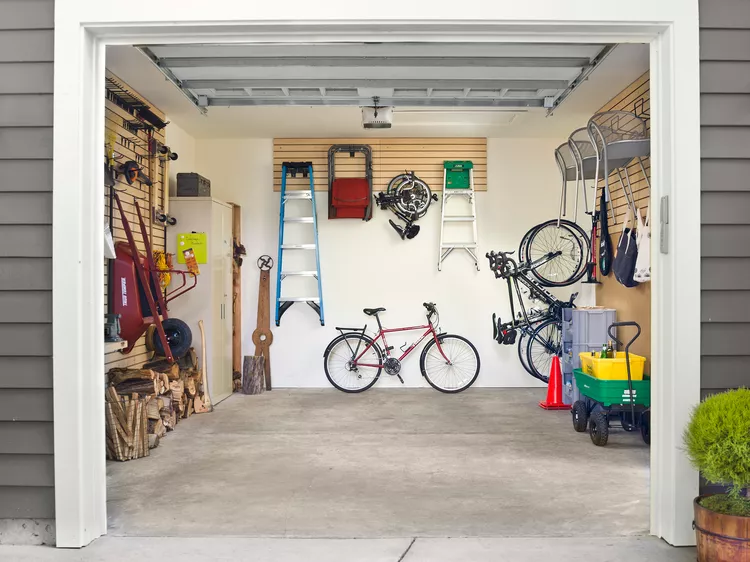
Your garage is prime real estate, yet it often becomes a dumping ground for broken gear, unsafe leftovers, and forgotten boxes. Clearing out the worst offenders right now can boost safety, reclaim storage space, and make every trip to the car less stressful. These ten categories are the items experts consistently flag as clutter you should throw away immediately, not “someday.”
1) Old, unsafe, or useless clutter flagged in “6 Things in Your Garage You Should Throw Away ASAP, According to Organizers Say” — focus on “things in your garage” that organizers say you “should throw away ASAP”
Old, unsafe, or useless clutter is exactly the kind of “things in your garage” that experts say you should “throw away ASAP.” Reporting on common garage cleanouts notes that organizers single out everyday items that have quietly turned into junk, such as broken tools, rusted hardware, and mystery boxes that have not been opened in years, as clutter that does not belong in a well-organized space. One guide to things in your garage stresses that these castoffs are prime candidates for the trash, not for better shelving.
The stakes are practical and safety related. Useless clutter hides hazards on the floor, makes it harder to find working gear, and can even block access to electrical panels or shutoff valves. When organizers say you should throw these items away “ASAP,” they are pointing to the cost of delay, from tripping risks to the time you waste hunting through piles. Treat anything broken, rusted, or long-unused as disposable, not sentimental, and you immediately move closer to a garage that actually supports daily life.
2) Items past their prime that professional organizers say you “should throw away ASAP” — highlight expert‑driven reasons to trash them now
Items that are simply past their prime are another category organizers say you “should throw away ASAP.” Professional declutterers interviewed about garage cleanups explain that many stored products, from building materials to old paint cans and half-empty chemicals, have a shelf life and quietly become ineffective or unsafe. One overview of things in your garage to get rid of notes that building materials and toys that are no longer usable should be cleared out instead of shuffled between corners.
Keeping expired sealants, adhesives, or corroded tools does more than waste space, it can also lead to failed repairs or leaks that cost real money. Organizers emphasize that the phrase “should throw away ASAP” is not about being ruthless for its own sake, it is about preventing you from relying on products that no longer work as intended. If a can, tube, or tool is dried out, cracked, or missing key parts, treat it as a liability and remove it before it causes a bigger problem.
3) Usable gear from “7 Garage Items You’ll Be Glad You Donated This Fall” — items you should remove from your garage by donating
Usable gear that you no longer need is another kind of clutter you should remove from the garage immediately, even if it does not go straight into the trash. A guide to garage items you will be glad you donated highlights that many people store perfectly functional equipment, from duplicate tools to extra sports gear, that would be better off in someone else’s hands. The key point is that these items are still usable but do not belong taking up valuable garage space.
Donating instead of discarding keeps good items in circulation while still honoring the core goal of clearing your garage. You gain room for essentials like your car, lawn equipment, or emergency supplies, and local charities or neighbors gain access to gear they can actually use. The reporting frames this as a win-win: you get a more functional garage and the satisfaction of knowing that what you let go is helping someone else rather than gathering dust.
4) Seasonal clutter highlighted in “7 Garage Items You’ll Be Glad You Donated This Fall” — fall is the time to move these out
Seasonal clutter, especially in the fall, is another category that should leave your garage without delay. The same reporting that lists garage items you will be glad to donate stresses that fall is a smart time to move out gear tied to past seasons, such as outgrown bikes, unused camping equipment, or extra outdoor furniture, instead of letting it linger. By acting in the fall, you avoid carrying dead weight into winter and free up room for snow shovels, holiday storage, or storm supplies.
The seasonal angle matters because it aligns decluttering with natural transitions in how you use your home. When you donate fall-identified items now, you are not just reacting to clutter, you are planning ahead for the next season’s needs. That shift in timing is what makes you “glad” later, when you can actually park inside during bad weather or access winter gear without climbing over forgotten summer leftovers.
5) Belongings called out in “9 Things You Should Never Store in the Garage” — items that simply do not belong there
Belongings that experts say you should never store in the garage are prime candidates to remove immediately. A detailed list of things you should never store in the garage explains that certain categories of items are unsafe, easily damaged, or otherwise inappropriate for this space. These include belongings that are vulnerable to temperature swings, pests, or moisture, which can quickly ruin fabrics, electronics, or sensitive documents when left in a typical garage environment.
Because the guidance is that you “should never store” these items there, the solution is not better bins or shelves, it is relocation or disposal. Leaving them in place risks mold, warping, or pest infestations that can spread to the rest of your home. Removing them now protects both the items themselves and the overall condition of your garage, reducing the chance that a storage mistake turns into a costly replacement or a health issue.
6) High‑risk or damage‑prone items you “should never store in the garage” — things to relocate or remove entirely
High-risk or damage-prone items that fall under the broader category of things you should never store in the garage also deserve immediate attention. Additional reporting on things you should never store notes that delicate belongings can be ruined and certain stored materials may attract unwanted pests if left in this space. The emphasis is on items that either pose a hazard when exposed to fluctuating temperatures or become magnets for insects and rodents.
For you, that means anything that can leak, combust, or spoil should be evaluated quickly. If it is hazardous, follow local rules for safe disposal rather than tossing it in the household trash. If it is simply fragile or pest-prone, move it indoors to a climate-controlled area. The consistent message is that the garage is not a catchall; when experts say you should never store something there, keeping it anyway is a risk, not a convenience.
7) Worn‑out and seasonal junk from “10 Things Maine Residents Should Throw Out in the Fall” — clutter to pitch during fall cleanup
Worn-out and seasonal junk that piles up around garages is another category you should throw away immediately, especially during fall cleanup. A list of things Maine residents should throw out in the fall connects getting rid of specific clutter and worn items with clear benefits, including more space and better upkeep. While it focuses on Maine, the logic applies broadly: fall is when many people tackle outdoor and garage areas, making it the ideal moment to pitch broken yard tools, cracked planters, and damaged seasonal décor.
The reporting frames this as part of “Maine fall cleanup benefits,” which include safer walkways and tidier storage zones before winter weather arrives. For your garage, that means anything tied to last season’s projects that is now broken, rusted, or clearly past use should go straight into the trash. Waiting until spring only locks in another season of clutter and increases the chance that someone trips over forgotten junk when conditions are already slippery.
8) Items tied to “Maine fall cleanup benefits” — things you should throw out to gain safety and space
Items specifically tied to fall cleanup benefits, such as damaged outdoor gear and worn household castoffs, should also leave your garage without delay. The same reporting on Maine fall cleanup notes that timely disposal of certain items improves safety, space, and overall home upkeep, not just curb appeal. When these objects migrate into the garage instead of the trash, they become a hidden layer of clutter that blocks access to tools, freezers, or recycling bins.
Throwing them out now is about more than neatness, it is about how you move through and use the space. Clear floors reduce tripping hazards, especially when you are carrying groceries or kids through the garage. Open shelves make it easier to see what you actually own, which can prevent duplicate purchases and wasted money. Treat the garage as part of your fall cleanup zone, not a place to stash what you could not decide about.
9) Expired or stale “pantry items you should toss immediately” that migrated to the garage — food and supplies that no longer belong
Expired or stale pantry items that have migrated to the garage are another category you should throw away immediately. A guide to pantry items you should toss immediately explains that old food and supplies need to be removed right away to refresh your kitchen, and the same logic applies when those items end up in garage storage. People often shift bulk snacks, canned goods, or paper products to garage shelves, where they are easier to forget and more exposed to heat and pests.
Keeping expired food in the garage is not just wasteful, it can attract rodents and insects that then spread to other stored belongings. The directive to “toss immediately” is about hygiene as much as organization. Check dates on any pantry-type items in your garage, from old cereal boxes to dusty jars, and discard anything past its prime. You will reduce odors, deter pests, and make room for supplies you will actually use before they go bad.
10) Forgotten food and pantry‑type clutter you should “toss immediately” to “refresh” both kitchen and garage
Forgotten food and pantry-type clutter that lingers in the garage is closely related and should also be tossed immediately to refresh both your kitchen and your garage. The reporting that links tossing pantry items to a fresher, more functional kitchen shows how quickly unused staples can drag down a space. When those same forgotten goods sit in the garage, they create a second, even less visible layer of clutter that undermines any organizing progress you make indoors.
Applying the same “toss immediately” mindset to the garage means treating any old pantry stock, emergency rations you never rotated, or dusty beverage crates as disposable once they are no longer appealing or safe. Clearing them out simplifies your overall food storage system and reduces the chance of accidentally serving something stale. At the same time, it frees up garage shelving for nonperishable items that truly belong there, such as tools and outdoor equipment, reinforcing the garage’s role as a practical, not provisional, storage zone.
More from Willow and Hearth:
Leave a Reply