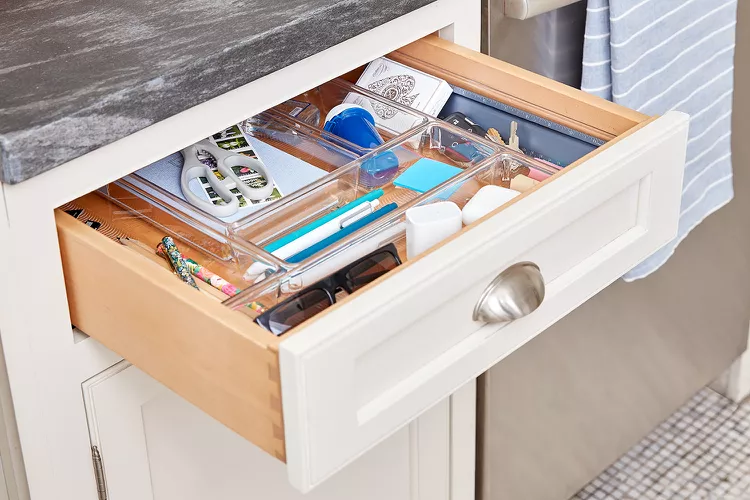
Your junk drawer is not a museum of tiny mysteries, it is a working space that should make your life easier. If it is packed with dead gadgets, expired clutter, and things experts say should never be there, you are wasting time every time you open it. Use this list as a permission slip to throw away specific junk drawer items so the few things you keep are actually useful.
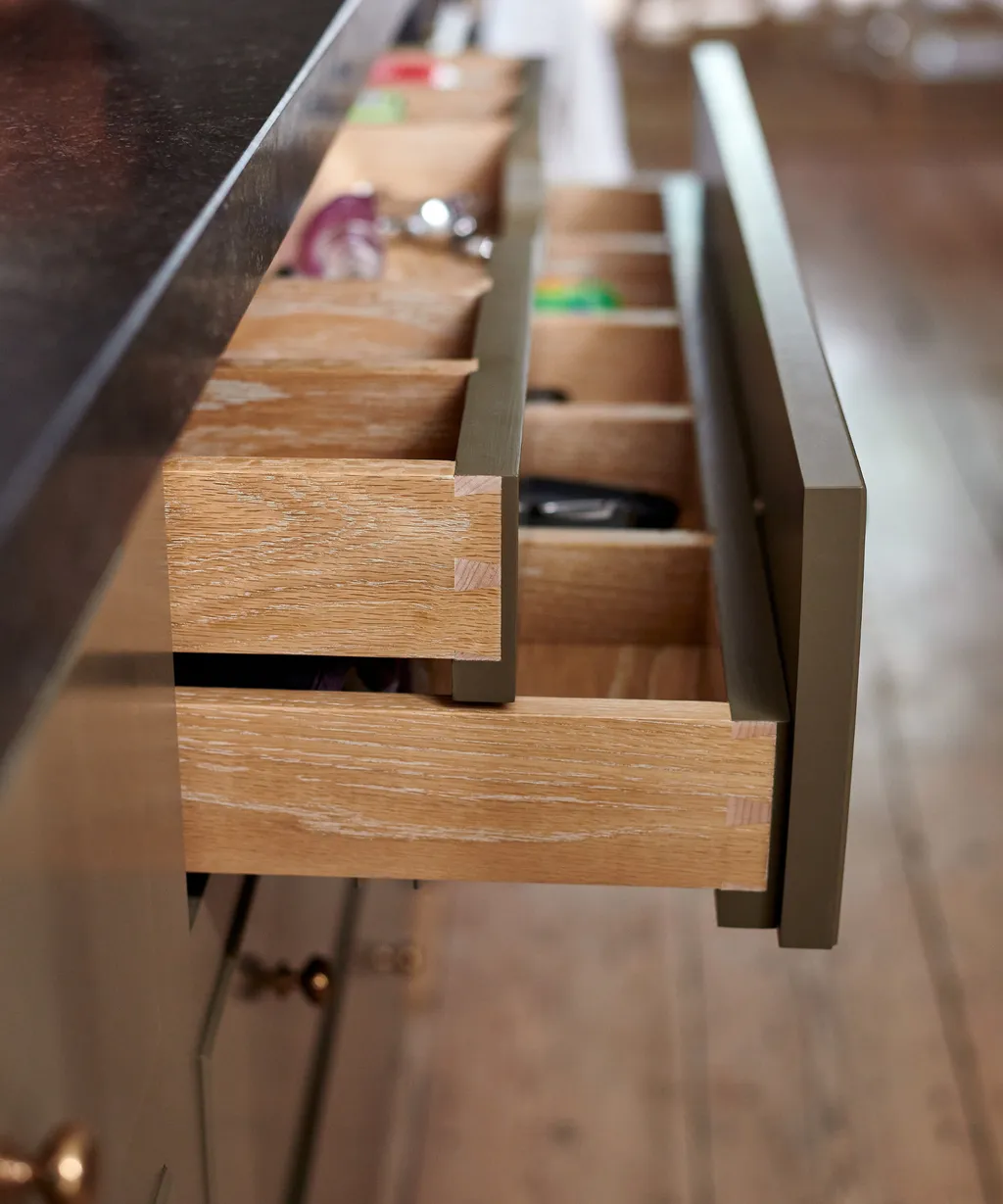
1) Kitchen odds and ends your “pro organizers” would flag immediately
Kitchen odds and ends that drift into your junk drawer are prime candidates for the trash. Expert guidance on kitchen items to throw away makes clear that worn-out tools and forgotten gadgets do not deserve permanent storage. When those same items end up in a catchall drawer, they become even less useful, because you cannot see what you own or reach what you actually need.
The stakes are simple: cluttered drawers slow you down every time you cook or look for a basic tool. Tossing cracked utensils, warped plastic, and single-purpose gadgets you never use frees up space for the essentials you reach for daily. A leaner drawer also makes it easier to spot what is missing, so you buy intentionally instead of panic-purchasing yet another duplicate.
2) Random “kitchen items” that migrated into the junk drawer
Random kitchen items that migrated into the junk drawer, like stray gadgets or extra tools, often fall into the same “throw away right now” category as the clutter highlighted in expert lists of Kitchen Items You Should Throw Away Right Now, According, Pro Organizers, From the. When you find a lone lid with no container, a cracked measuring spoon, or a stained cutting accessory, that is not useful backup, it is visual noise. Keeping it only makes it harder to find the one working version.
From a broader perspective, every broken or orphaned kitchen object in your junk drawer is a tiny friction point in your day. You waste seconds checking whether it still works, then shove it back in “just in case.” Throwing these pieces away is not wasteful, it is a practical step toward a drawer that holds only reliable tools, so you can grab what you need and move on.
3) “Surprising items” experts say should never live in a junk drawer
Some surprising items should never live in a junk drawer at all, because experts warn they are better off elsewhere or not kept. Guidance on things never to store in a junk drawer highlights that certain categories, from sensitive items to easily damaged products, are poor fits for a chaotic space. When these pieces are buried under rubber bands and pens, you are more likely to forget them, damage them, or reach for them in an emergency only to find they are unusable.
The implication is that your junk drawer should not be a default storage spot for anything you are unsure about. If an item is important enough that you would be upset to lose it, it deserves a dedicated home. If it is not important enough to organize, that is a strong sign you can safely throw it away and reclaim the space for low-stakes basics like tape and scissors.
4) Everyday things you “should never keep in your junk drawer” for safety or reliability
Everyday things that affect safety or reliability are especially risky to stash in a junk drawer. Advice on things not to keep in a junk drawer points out that items like aging batteries or delicate components can leak, corrode, or break when they are tossed around with metal objects. Once that happens, they are not just clutter, they can damage other belongings or create a small but real hazard.
For you, that means anything in the drawer that is already questionable, such as half-dead batteries, frayed cords, or cracked plastic cases, should go straight into the trash instead of back into the pile. Keeping only safe, low-value items in this space reduces the chance of unpleasant surprises and makes it easier to see when something truly needs replacing.
5) Stuff you can “toss from your junk drawer today to create space”
Stuff you can toss from your junk drawer today to create space includes the obvious clutter you already know you will never use. Reporting on things you can toss from your junk drawer today emphasizes that broken objects, expired products, and mystery pieces with no clear purpose are safe to discard immediately. If you cannot identify what a screw, key, or plastic bit belongs to, it is not secretly valuable, it is just taking up room.
The benefit of this quick purge is immediate breathing room. When you remove everything that is broken, expired, or unidentifiable, you cut through the visual chaos that makes the drawer feel overwhelming. That extra space also gives you a clearer view of what remains, which is the first step toward turning the drawer into a functional mini-command center instead of a black hole.
6) Obvious trash hiding in plain sight in the junk drawer
Obvious trash hiding in plain sight, like torn packaging, dried-up pens, and twist ties you never reuse, is the lowest-hanging fruit in any junk drawer clean-out. Broader decluttering advice on Things You Can Declutter Right Now Without, Second Thought, Clothes You Don, Wear, Old Towels and Linens, Unidentifiable Items makes the case that unidentifiable items are automatic clutter. The same logic applies to scraps and leftovers that serve no clear purpose but somehow keep getting shoved back into the drawer.
Leaving this trash in place has a real cost: it hides the items you actually need and makes the drawer feel perpetually messy, even if you own relatively few useful things. By treating every wrapper, dried marker, and mystery part as disposable, you reclaim control over the space and reduce the mental drag that comes from rummaging through garbage to find a single working pen.
7) Junk drawer clutter you “should declutter before October”
Junk drawer clutter you should declutter before October includes seasonal odds and ends that quietly expire. Guidance on things to declutter before October encourages you to use the change of season as a deadline for clearing out what you did not use. When you apply that mindset to your junk drawer, expired coupons, outdated event passes, and old seasonal trinkets become easy candidates for the trash.
The stakes go beyond aesthetics. If your drawer is stuffed with last year’s schedules, holiday leftovers, and time-limited offers, you are training yourself to ignore it altogether. A pre-October sweep that removes anything tied to past seasons or missed opportunities helps you reset the space so it supports the months ahead instead of reminding you of what you never got around to doing.
8) Seasonal and time-sensitive junk that belongs in the trash, not the drawer
Seasonal and time-sensitive junk that belongs in the trash, not the drawer, includes expired food-related freebies and outdated kitchen extras. Lists of Things In Your Kitchen You Should Toss ASAP, According To Pro Organizers, Take, Out Condiments, Plastic Cutlery, Expired Food highlight how quickly items like take-out condiments and plastic cutlery pile up. When those packets and utensils migrate into your junk drawer, they clutter a space that should be reserved for tools, not backup ketchup.
Holding on to these bits rarely pays off. By the time you remember they exist, the food may be questionable or you have already opened something fresher. Throwing away old condiments, flimsy plastic cutlery, and other time-bound freebies keeps your drawer from becoming an overflow pantry and reinforces the idea that this space is for durable, reusable items only.
9) Items that overlap multiple expert lists of things to toss
Items that overlap multiple expert lists of things to toss, such as broken tools and tangled cords, are especially strong candidates for the bin. Advice on What To Toss From Your Junk Drawer, Kitchen Items, Tool Set, Broken Things, Makeup, Charging Cords underscores that broken things and excess charging cords are classic clutter. When the same categories show up again and again in organizing guidance, it is a clear signal that keeping them is working against you.
For you, that means every time you spot a nonfunctional tool, dried-out makeup, or a cord that no longer fits your devices, you can toss it without guilt. These items are not rare exceptions, they are textbook examples of junk. Removing them reduces visual overload and makes it easier to see the few cords and tools you actually rely on, which saves time and frustration.
10) Junk drawer categories that show up in broader “declutter” advice
Junk drawer categories that show up in broader declutter advice, like paperwork and random bills, are better handled elsewhere or not kept at all. Guidance on Things, Never Keep, Your Junk Drawer, According, Pro Organizer, Paperwork stresses that paperwork does not belong in a chaotic drawer. When you toss in mail, receipts, and forms, they quickly become lost, crumpled, or outdated, which defeats the purpose of saving them.
The broader trend in organizing is to give important documents a dedicated, labeled home and to recycle what you do not need. Applying that standard to your junk drawer means pulling out every loose bill, receipt, and scrap of paper, filing what matters, and throwing away the rest. The result is a drawer that holds tools, not tasks, so you are less likely to miss payments or lose critical information under a pile of rubber bands.
More from Willow and Hearth:
Leave a Reply