
You probably have dozens of things in your home that are expired, unsafe, or simply taking up space. Clearing them out now protects your health, makes daily routines easier, and keeps clutter from quietly taking over. Here are 10 categories experts say you should throw away right now, plus what to do instead so the mess does not creep back.
1) Kitchen hazards hiding in plain sight — items in your kitchen you should throw away now, according to EatingWell
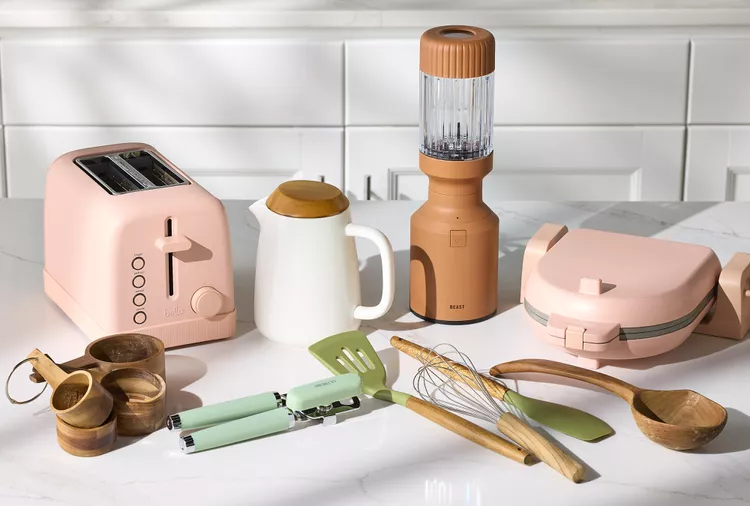
Kitchen hazards hiding in plain sight start with chipped nonstick pans, warped baking sheets, and stained plastic containers that can trap bacteria. Experts on unsafe kitchen items warn that deeply scratched nonstick coatings and cracked cutting boards are especially problematic, because grooves can harbor germs even after washing. Frayed dish towels and ancient sponges also spread microbes around your counters instead of cleaning them. Keeping these items around raises your risk of cross-contamination every time you cook.
To replace them, focus on a few durable basics instead of a drawer full of marginal tools. Swap stained plastic for glass storage, retire warped pans in favor of one reliable sheet tray, and keep a rotation of fresh sponges or washable cloths. The payoff is a kitchen that is easier to sanitize, less frustrating to cook in, and far safer for anyone handling raw meat, eggs, or produce.
2) Expired and risky medicine-cabinet staples — 6 items experts say to toss right now
Expired and risky medicine-cabinet staples include old prescription drugs, outdated over-the-counter pain relievers, and half-used antibiotics that should never be saved “just in case.” Reporting on what to purge from your medicine cabinet notes that expiration dates matter, because potency drops and some formulas can change over time. Stale sunscreen, crusty eye drops, and ancient cough syrup also belong in the trash, since they may not protect you or could irritate sensitive tissue. Keeping them encourages self-medicating with products that no longer work as intended.
Instead of flushing pills, follow local drug take-back programs or use pharmacy drop boxes so medications do not contaminate water systems. For liquids and creams, many experts recommend mixing them with coffee grounds or cat litter before sealing them in the trash. Once you clear the shelf, restock only what you truly use, and store it in a cool, dry place so it stays effective longer.
3) Clutter-killing kitchen edits — 11 organizer-approved items to throw away right now
Clutter-killing kitchen edits target the everyday items that quietly crowd drawers and counters, from duplicate spatulas to mismatched plastic lids with no containers. Professional organizers who outline which kitchen items to toss point to chipped mugs, extra water bottles, and novelty cups as classic space wasters. Takeout condiment packets, flimsy utensils, and stained food storage also pile up, making it harder to find the tools you actually rely on. The result is a kitchen that feels chaotic even when it is technically “clean.”
To keep clutter from returning, set simple limits, such as one drawer for utensils and a fixed number of mugs or travel cups per person. When new gadgets arrive, commit to a one-in, one-out rule so older, less useful pieces leave immediately. These edits do not just free space, they also streamline cooking, because you are no longer digging past broken peelers and dull knives to reach the gear that works.
4) Fridge offenders you’re overlooking — 10 items to throw out right now
Fridge offenders you are overlooking often start with forgotten leftovers, slimy bagged greens, and condiments that expired months ago. Guidance on what to remove from your refrigerator highlights moldy cheese, mystery containers, and old deli meat as top candidates for the trash. Even if something looks fine, once it passes safe storage windows, bacteria can multiply to risky levels. Crowded shelves also block airflow, which can keep your fridge from holding a safe temperature throughout.
Clearing these items protects you from foodborne illness and makes it easier to see what you actually have, which cuts down on duplicate purchases and waste. After tossing the worst offenders, wipe shelves and group foods by type so older items stay visible. A simple habit, like labeling leftovers with the date, helps you use them promptly instead of letting them morph into science experiments in the back corner.
5) Hidden fridge clutter — 7 more things you should toss immediately
Hidden fridge clutter often hides in the door and crisper drawers, where half-used sauces, wilted herbs, and sticky jars linger for months. Experts who flag extra items to toss from the fridge call out forgotten salad dressings, old pickles, and long-opened jams that no one reaches for anymore. These stragglers not only take up space, they can leak, attract mold, and make it harder to keep shelves clean. Over time, they also skew your sense of what you actually need to buy.
Once you clear them, consider designating a “use first” zone for open jars and fragile produce so they get eaten before they spoil. Regular mini-audits, such as a quick scan before weekly grocery runs, keep the clutter from rebuilding. The payoff is a refrigerator that supports realistic meal planning instead of hiding forgotten food behind a wall of sticky bottles.
6) Bedroom energy drains — 10 things to toss from your bedroom right now
Bedroom energy drains range from piles of unread magazines to overstuffed nightstands and décor that no longer feels calming. Reporting on things to remove from your bedroom stresses that true “Necessities” include a bed, nightstands, adequate lighting like table lamps or sconces, and a comfy rug underfoot, not stacks of laundry and dusty knickknacks. Extra furniture that crowds walkways, tangled cords, and old electronics all compete with rest. Visual noise can make it harder for your brain to wind down, even if you are technically in bed on time.
Start by clearing surfaces, then reassess what actually earns a place in the room. Limiting décor to a few meaningful pieces and keeping only current books by the bed can shift the space from storage zone to retreat. Over time, this kind of edit supports better sleep and makes daily routines, from getting dressed to making the bed, feel less like a chore.
7) Space-wasting kitchen gear — 25 items taking up room you should throw out now
Space-wasting kitchen gear includes single-use gadgets, broken appliances, and novelty tools that seemed clever but rarely leave the drawer. A rundown of items taking up space in your kitchen points to duplicate measuring cups, chipped plates, and extra cutting boards as prime examples. Bulky machines that duplicate functions, like multiple blenders or rarely used bread makers, also eat valuable cabinet real estate. When every shelf is packed, you are more likely to leave things on the counter, which makes the whole room feel cluttered.
To reclaim space, identify your true workhorses and let them dictate what stays. If a tool has not been used in a year, consider donating it so someone else can put it to work. Pairing down to versatile basics, such as a sharp chef’s knife and a sturdy Dutch oven, often makes cooking more efficient than any specialized gadget ever did.
8) Closet culprits — 12 items professional organizers say you absolutely must toss
Closet culprits that organizers target include clothes that do not fit, shoes that hurt, and impulse buys that still have tags. Guidance on what to remove from your wardrobe singles out stretched-out T-shirts, worn-out bras, and damaged handbags as items that quietly clog hangers and shelves. Keeping them makes getting dressed slower, because you constantly sift past pieces you never actually wear. It also hides the gaps in your wardrobe that a few strategic purchases could fix.
Once you pull these items, sort them into donate, recycle, and trash so they do not migrate to another corner of the house. Many communities now offer textile recycling for fabric that is too worn to donate. The result is a closet where every piece is something you would realistically put on today, which reduces decision fatigue and helps you define your personal style more clearly.
9) Bathroom products past their prime — 10 items to throw away ASAP, according to experts
Bathroom products past their prime include expired makeup, old toothbrushes, and worn-out razors that can irritate skin or spread bacteria. Experts who outline which bathroom items to discard emphasize that mascara and liquid eyeliner have short shelf lives, because they are used near your eyes. Loofahs and shower poufs that never fully dry can harbor germs, while cracked hairbrushes and broken clips snag hair. Holding on to these items increases the risk of breakouts, infections, and everyday grooming frustration.
Replacing them on a schedule, such as swapping toothbrushes every few months and monitoring makeup open dates, keeps your routine safer. Consider simplifying your product lineup so you can actually use items before they expire. A streamlined bathroom cabinet is easier to clean, and it also makes it more obvious when you are running low on essentials like toothpaste or moisturizer.
10) Seasonal clutter traps — 10 things to declutter from your home in September now autumn is here
Seasonal clutter traps show up as summer gear, outdated paperwork, and decorative items that no longer match how you live. Advice on what to clear out in September highlights worn-out school supplies, unused sports equipment, and tired seasonal décor as prime candidates. As routines shift for autumn, keeping these extras around makes it harder to set up efficient entryways, homework zones, and cozy living spaces. Old mail and catalogs can also pile up, obscuring important documents you actually need.
Use the seasonal change as a cue to review each room for items that belong to the last chapter of the year. Donate usable coats and boots that no longer fit, recycle outdated paperwork, and retire decorations that feel more like clutter than tradition. Tackling these traps now sets up your home for smoother holidays and makes future seasonal swaps far less overwhelming.
More from Willow and Hearth:
Leave a Reply