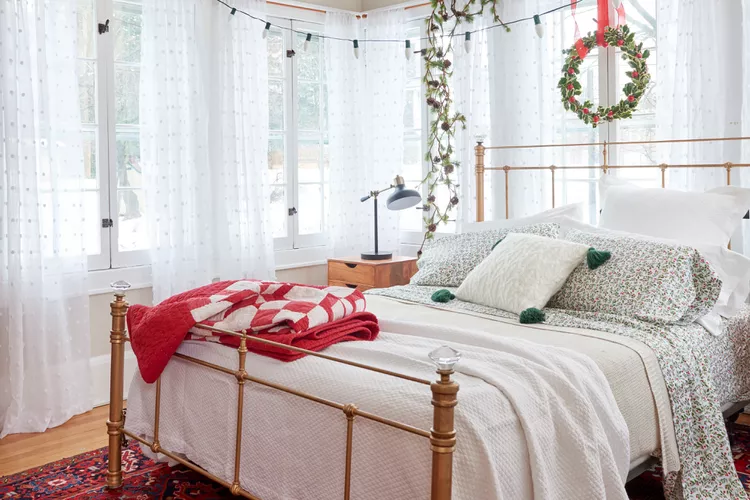
Your living room should feel calm and intentional, but a few everyday items can quietly make it look cluttered even when you clean regularly. By spotting and removing the worst offenders, you instantly create a space that feels larger, lighter, and more pulled together. Start with the small things that visually pile up, then move on to bulkier pieces that crowd the room, and you will see a dramatic difference without a full renovation.
1) Old magazines, catalogs, and random mail piles

Stacks of magazines, catalogs, and unopened mail are some of the fastest ways to make your living room look messy. Even if they are neatly piled, the different sizes, fonts, and colors read as visual noise. Decluttering experts often group these paper piles with the kind of hidden clutter you are urged to toss in spaces like the kitchen, advice that appears in guides on how to declutter high-traffic areas. When paper sits out, it signals unfinished tasks and makes surfaces feel chaotic instead of calm.
To fix it, create a strict rule that paper never “lives” in the living room. Sort mail the moment it comes in, recycle catalogs you will not read, and keep only one current magazine on display. A small wall-mounted file or lidded basket near the entry can handle anything that truly needs follow-up. This simple shift clears coffee tables and side tables, making your entire room look cleaner even before you dust or vacuum.
2) Too many throw pillows and blankets
Throw pillows and blankets are meant to add comfort, but when every seat is buried under them, the room starts to feel sloppy. Overstuffed sofas, mismatched patterns, and blankets draped over every armrest create the same kind of cluttered impression that real estate professionals warn against when they advise sellers to strip back excess accessories to help a home show better. When every surface is covered, buyers, guests, and even you see “mess” instead of style.
Edit down to a focused palette and a manageable number of pieces, such as two or three pillows per sofa and one neatly folded throw. Store seasonal or extra textiles in a closed ottoman or a nearby closet so they are accessible but not constantly on display. With fewer, better-chosen pieces, your seating looks intentional, cushions stay fluffed instead of flattened, and the room reads as polished rather than chaotic.
3) Oversized or unused furniture crowding the room
Bulky chairs, extra side tables, and old media cabinets can make even a large living room feel cramped. When professionals talk about items you should remove before putting a home on the market, they consistently highlight oversized or unnecessary furniture because it shrinks the perceived square footage and distracts from the architecture, a point echoed in advice on what to clear out before selling. The same logic applies when you are not moving: too much furniture makes the room look messy, no matter how tidy you are.
Walk through your space and note any piece you constantly bump into or never actually use. Consider donating that extra armchair, swapping a heavy coffee table for one with open legs, or moving a rarely used bookcase to another room. Creating wider walkways and a little breathing room around each piece instantly makes the space feel more organized, more expensive, and easier to clean.
4) Visible cords, cables, and power strips
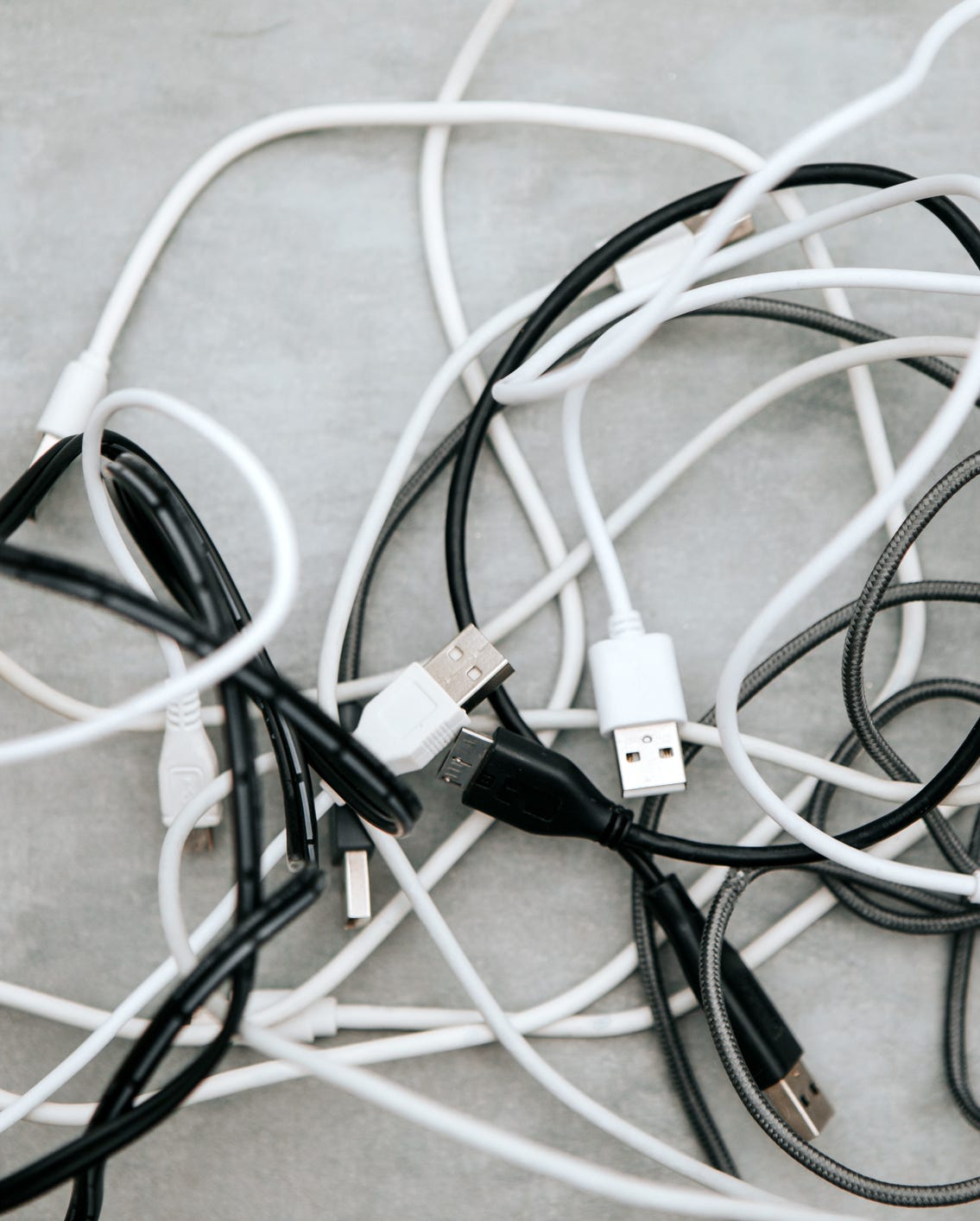
Tangled cords under the TV, chargers snaking across the floor, and overloaded power strips are small details that have a big impact on how messy your living room looks. Even when everything else is in place, a nest of cables pulls the eye and makes the room feel unfinished. Home organization advice that warns against stashing sensitive items in hot, uncontrolled spaces like the attic in winter, as seen in guidance on what not to store overhead, reflects a broader principle: where and how you store things matters as much as what you keep.
Apply that mindset to your electronics by treating cord management as part of your decor. Use cable covers that match your wall color, adhesive clips along furniture backs, and slim surge protectors tucked behind media consoles. Label chargers so you are not constantly swapping and leaving extras out. When cords disappear from view, the room looks calmer, and cleaning becomes easier because you are not working around a tangle of wires.
5) Outdated decor and knickknack collections
Rows of small figurines, dusty souvenirs, and dated decor pieces quickly turn shelves and mantels into clutter zones. Even if each item has meaning, the overall effect can resemble the kind of overfilled storage areas that organizing guides urge you to streamline in other parts of the home. When every inch of a surface is occupied, your eye has nowhere to rest, and the room feels busier and less sophisticated.
Instead of displaying everything at once, rotate a few favorites seasonally and pack the rest away in labeled bins. Group items by color or material so they read as a cohesive vignette rather than a random assortment. Editing your decor in this way highlights what you truly love, makes dusting faster, and gives your living room a cleaner, gallery-like feel that supports, rather than fights, the rest of your design choices.
6) Overflowing toy bins and pet gear
Scattered toys, half-chewed bones, and overflowing baskets of games can make your living room look like a playroom, even after you pick up. The problem is not that you have toys or pet gear, it is that they rarely have a defined, contained home. Just as storage advice warns against tossing delicate items into uncontrolled spaces where they can warp or deteriorate, leaving kids’ and pets’ things to sprawl across the main living area wears down both your space and your patience.
Designate one or two closed storage spots, such as a lidded trunk for toys and a low cabinet for leashes, grooming tools, and pet clothing. Involve kids in a quick nightly reset so everything returns to its place. When the bulk of the clutter is hidden behind doors or lids, a few items left out feel intentional instead of overwhelming, and your living room can quickly shift from family chaos to adult-friendly calm.
7) Unused electronics and outdated media
Old gaming consoles, DVD players you never turn on, stacks of discs, and retired speakers quietly eat up space and collect dust. They also contribute to the same visual clutter problem as tangled cords, making your media area look busier than it needs to. Real estate and staging advice often recommends clearing out dated electronics so buyers focus on the room itself rather than on old technology, and that guidance works just as well for everyday living.
Audit your media center and be honest about what you actually use. Donate or recycle devices that have been unplugged for months, and transfer any must-keep movies or music to digital storage. Use slim boxes or labeled binders for the few physical items you keep. With fewer gadgets on display, your TV wall looks streamlined, and cleaning becomes a quick wipe-down instead of a full excavation.
8) Entry clutter spilling into the living room
When your front door opens directly into the living room, shoes, bags, keys, and coats often end up scattered across the nearest sofa or chair. This kind of “landing zone” clutter makes the room look messy before you even step fully inside. Organization advice that focuses on high-traffic household zones repeatedly stresses the importance of giving everyday items a specific home so they do not migrate onto every available surface.
Create a mini entry system, even if you do not have a formal foyer. A narrow bench with baskets underneath, a small wall shelf with hooks, and a tray for keys can capture the daily essentials right where you drop them. Once those items have a defined spot, they stop colonizing your seating and coffee table, and your living room maintains a tidy, welcoming look from the moment you walk in.
More from Willow and Hearth:
Leave a Reply