We’ve all been there: you walk into a plant shop, and your heart skips a beat. Those vibrant greens, the promise of fresh air, and maybe even a little mood boost. You’re thinking about how nice it’ll be to have some greenery in your home, but then you spot that stunning Monstera or charming fiddle leaf fig. You grab it, thinking, “How hard can it be?” Spoiler alert: sometimes, it’s a bit more complicated than it looks! Let’s chat about six popular plants that people often underestimate in terms of care and maintenance.
1. Fiddle Leaf Fig
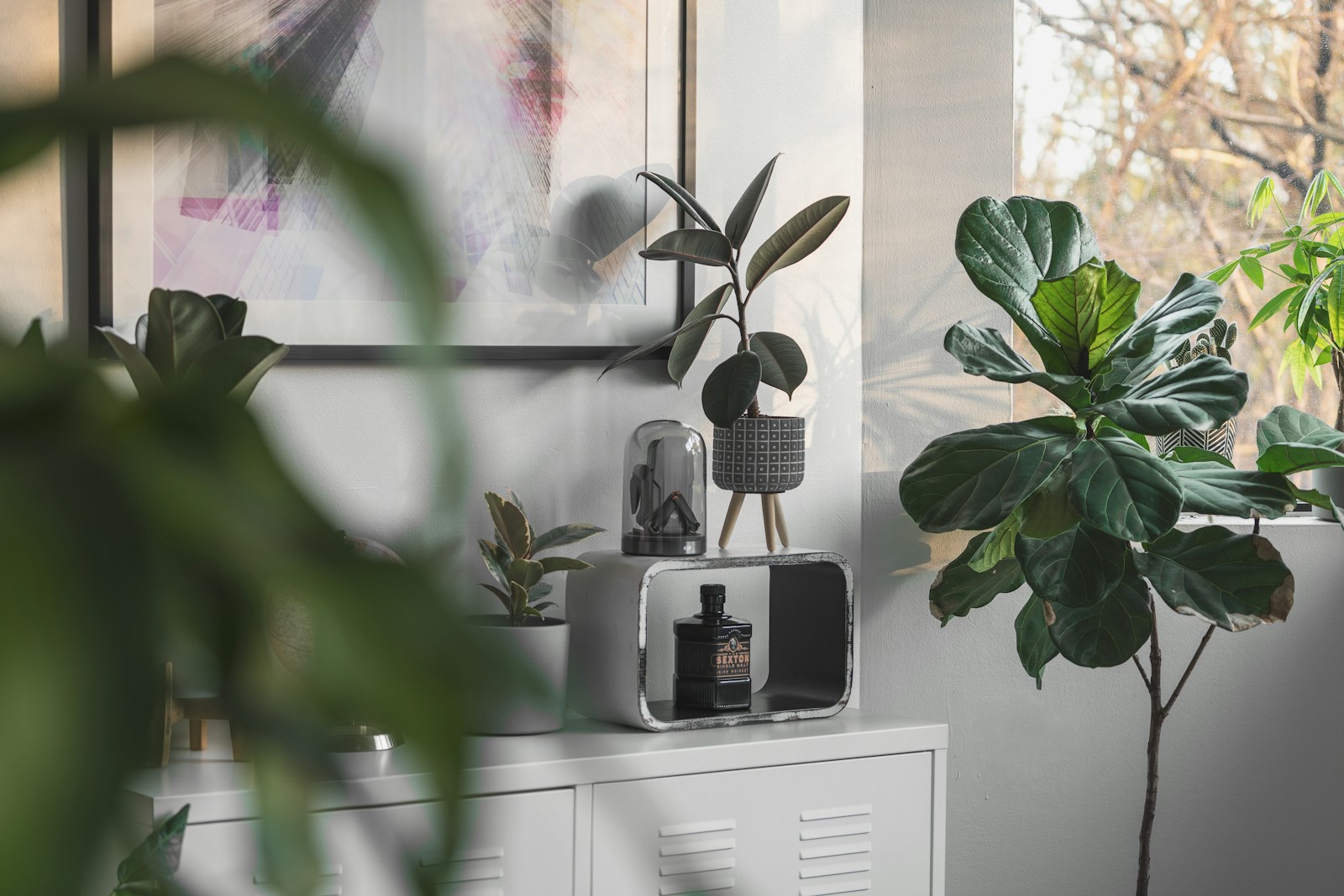
Ah, the fiddle leaf fig. It’s like the celebrity of houseplants—everyone wants one, and for good reason. Those big, lush leaves are straight-up gorgeous and can really elevate your space. But here’s the kicker: they can be temperamental. They crave bright, indirect light and tend to lose leaves if they don’t get it. Plus, they’re pretty sensitive to changes in their environment. So, if you think you can just move it around willy-nilly, think again! They thrive on consistency, which can feel a bit like having a high-maintenance friend.
2. Snake Plant
Okay, hear me out. Snake plants are often hailed as the “easy” plant, and for good reason! They can survive in low light and need minimal watering, making them a go-to for busy folks. But they can also be a bit picky about their environment. Too much water, and they’ll start sulking. Too little light, and they’ll be less vibrant than the day you brought them home. So while they might not require constant attention, you still need to keep an eye on them. They’re like that friend who’s totally chill but still has their limits!
3. Peace Lily
Peace lilies are the ultimate “I’m so pretty, but I need a little love” plants. With their elegant white flowers and glossy leaves, they can brighten up any room. However, they’re also notorious for drooping dramatically when they’re thirsty—like they’re throwing a little tantrum to get your attention. They prefer consistently moist soil and thrive in indirect light. So if you’ve got a busy lifestyle, just remember that they’ll let you know when they’re feeling neglected. It’s a bit like dating someone who needs constant reassurance!
4. Orchid
Orchids are basically the prima donnas of the plant world. They’re stunning, no doubt about it, but they come with a bit of baggage. These beauties require specific humidity levels, and their watering needs can be tricky. Overwater them, and you might as well be sending them to plant heaven. They need a good soak and then a good dry out—like a balancing act for plant parents. If you’re considering bringing one home, just know you’ll need to channel your inner orchid whisperer!
5. Monstera Deliciosa
Who doesn’t love a Monstera? Those iconic holes in the leaves are just so cool! They’re like the cool kid of houseplants. However, don’t let their laid-back vibe fool you. They enjoy a good amount of light and can grow really large, which means they’ll need some space and support as they mature. They’re also prone to pests like spider mites if they’re not happy. So while they might seem low-maintenance, keep in mind that they’re just waiting for you to step up your plant game.
6. Spider Plant
Last but not least, we have the spider plant. They’re often recommended for first-time plant parents because they’re pretty resilient. But here’s the thing: while they may not scream for attention, they do like their conditions just right. They thrive in bright, indirect light and need to be watered regularly. Too much or too little and they’ll show their displeasure. Plus, they can get a bit wild with those spiderettes (the little plant babies), so if you’re not ready to propagate or trim, you might find yourself in a jungle situation!
Wrapping It Up
So there you have it! Six popular plants that come with their own unique set of maintenance requirements. It’s not that you shouldn’t bring these beauties into your life; it’s just a matter of knowing what you’re getting into. With a little bit of research and patience, you can absolutely rock that plant parent life.
More from Willow and Hearth:
Leave a Reply