Error coins turn factory mistakes into small jackpots, and you do not need a rare gold piece to benefit. With a basic eye for detail and a little knowledge, you can pull modern pocket change or inherited jars of coins that sell for hundreds of dollars to dedicated collectors. The key is knowing which errors are genuinely scarce and which are just interesting curiosities with little resale value.
The eight examples below show you exactly what to look for, how the mistakes happened, and why serious hobbyists pay real money for them. By focusing on classic misprints that are already documented in professional guides and auction records, you can sort your change with confidence instead of guessing at every odd-looking coin.
1. 1943 Bronze Lincoln Cent: A Wartime Wrong Planchet Windfall
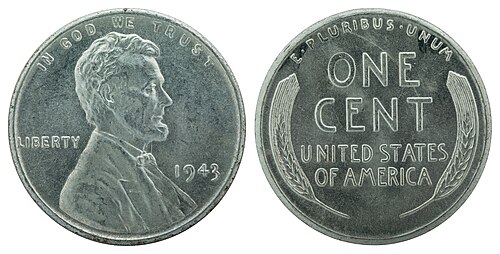
One of the most famous error coins you can hope to find is the 1943 Bronze Lincoln Cent, a mistake born directly out of World War II production pressures. In 1943, the United States shifted cents to zinc-coated steel to save copper for the war effort, yet a small number were accidentally struck on leftover bronze planchets, creating a dramatic wrong-metal error that collectors chase aggressively. Because this coin combines a clear historical story with extreme scarcity, even circulated examples can reach well into the hundreds and far beyond if authenticated and graded.
Specialists consistently rank the 1943 Bronze Lincoln Cent near the top of lists of rare Mint Error Coins, and that visibility keeps demand high. When you check your change, any 1943 cent that looks brown instead of silvery steel deserves immediate attention, since a genuine bronze piece can rival the value of much older classic rarities. Because counterfeits exist, you should confirm weight, use a magnet test, and then rely on a reputable grading service if the coin appears promising.
2. 1922 “Plain” Lincoln Cent (No D Mintmark): The Vanishing Letter
Another Lincoln cent that can quietly turn into a serious payday is the 1922 “Plain” Lincoln Cent, a variety where the usual “D” Mintmark from Denver is missing. In 1922, only Denver struck cents, so any coin from that year without a visible “D” is not a Philadelphia issue but a striking anomaly that collectors recognize as a distinct error. The missing Mintmark likely resulted from overpolished dies or clogged metal, yet the outcome is a coin that stands out in every price guide and auction catalog.
Because the 1922 “Plain” Lincoln Cent is a recognized variety, it appears in detailed breakdowns of rare cents, where the absence of the Mintmark from Denver is treated as a major collecting target. If you sort older wheat cents, pay close attention to 1922 dates and inspect the area under the year with a magnifier, since a genuine “Plain” example can sell for hundreds of dollars in mid-grade and significantly more in higher condition. Even a worn piece is worth pulling aside, because demand for this specific error remains strong among Lincoln specialists.
3. 1937 Three-Legged Buffalo Nickel: A Famous Overpolished Error
Few error coins are as instantly recognizable as the 1937 Three Legged Buffalo Nickel, a coin where the bison on the reverse appears to be missing one front leg. This dramatic look was not intentional design but the result of an overpolished die that removed part of the leg detail, leaving the animal with only three visible limbs. Because the mistake is obvious even to casual observers, the coin has become a staple of error collecting and a gateway piece for new hobbyists.
Coverage of the most valuable misprints notes that the 1937 Three Legged Buffalo Nickel can reach $100,000 in top condition, a figure that underscores how far a single dramatic error can climb when supply is limited. You are unlikely to find one in everyday change now, but rolls of older nickels, inherited collections, and antique-store jars still occasionally yield worn examples that trade for hundreds. The key is to look for a 1937 nickel from the Denver Mint with a weak or missing front leg and then confirm the diagnostics, such as die polishing lines and the shape of the remaining legs, before assuming you have the real thing.
4. Doubled Die Obverse Coins: When the Design Appears Twice
Doubled die obverse errors are some of the most coveted modern misprints, because they create a bold, almost ghostlike second image on the front of the coin. The doubling happens during die preparation, when the design is impressed more than once at slightly different angles, so every coin struck from that die carries the same repeating features. Collectors prize these pieces because the error is baked into the die itself, which makes the variety traceable and limited, rather than a random one-off defect.
Guides to the most valuable mint errors highlight an iconic doubled die where the date and inscriptions show dramatic repetition on the obverse, a look that has made this type of coin a fixture in top-ten rankings of most valuable error coins. While the most famous doubled dies can be worth thousands, more modest examples still bring hundreds, especially on popular series like Lincoln cents, Washington quarters, and Roosevelt dimes. When you inspect your coins, focus on the date, motto, and lettering for clear, separated doubling rather than a simple shadow or blur, which usually indicates machine doubling and carries little premium.
5. Classic Wrong Planchet Strikes: The Wrong Metal, The Right Profit
Wrong planchet errors occur when a coin is struck on a blank intended for a different denomination or composition, and they can be surprisingly valuable even in circulated grades. The 1943 Bronze Lincoln Cent is the most famous example, but similar mistakes exist across other years and denominations, such as dimes struck on cent planchets or quarters on nickel stock. Because these coins often have off-size diameters, odd colors, or incomplete designs, you can sometimes spot them by feel and appearance alone.
Comprehensive overviews of Types of Coin Errors explain that wrong planchet pieces sit near the top of the value scale, especially when they involve popular series or historically significant years. Even when a wrong planchet error does not reach five-figure territory, it can still sell for several hundred dollars if authenticated, since specialists enjoy the visual contrast between design and metal. When you search your change, pay attention to coins that look too thin, too thick, or oddly colored for their denomination, and consider weighing any suspicious pieces with a digital scale to confirm whether they match standard specifications.
6. No Mintmark and Missing Detail Cents: Subtle Errors With Strong Demand
Not every valuable error screams for attention; some of the most profitable pieces look almost normal until you study the fine print. The 1922 “Plain” Lincoln Cent is the best-known missing Mintmark variety, but other cents with weak or absent letters, faded dates, or partially missing design elements can also command premiums when the cause is a genuine die issue rather than simple wear. Collectors gravitate to these coins because they tell a story about how far the Mint pushed its equipment and how small flaws slipped through quality control.
Specialized lists of rare cents emphasize that a missing or altered Mintmark can transform an otherwise common coin into a standout, especially when the error is tied to a specific year and facility like Denver. When you sort through jars of wheat cents or bank-wrapped rolls, set aside any coin where the Mintmark looks faint, smeared, or missing, and then compare it to trusted reference photos. Even if only a fraction turn out to be true varieties, the ones that do can easily cross the hundred-dollar mark, especially in higher grades.
7. High-Value Mint Errors as an Investment Niche
Once you understand the basic categories of mistakes, it becomes clear why some error coins trade more like blue-chip collectibles than pocket change. Rarity, visual impact, and demand all intersect, so a dramatic misprint on a popular design can sell for far more than a subtle flaw on an obscure series. That is why coins like the 1937 Three Legged Buffalo Nickel or the 1943 Bronze Lincoln Cent consistently appear in rankings of the most desirable pieces, while countless minor off-center strikes or small die chips barely move the needle.
Investment-focused guides point out that mint error coins can range from modest premiums to five-figure trophies, with standout pieces reaching between a few hundred dollars and as much as $100,000 depending on condition and rarity. When you treat error coins as a niche within your broader collecting or investing strategy, you can target coins that balance affordability with upside, such as mid-grade doubled dies or lesser-known wrong planchet pieces. The key is to buy or sell based on verified diagnostics and third-party grading rather than hype, since condition and authenticity drive the real money in this segment.
8. How to Spot Error Coins in Everyday Change
Finding a valuable error in circulation is part skill, part patience, and part habit. You do not need specialized equipment to start, just a good light source, a basic magnifier, and a willingness to slow down and actually look at each coin instead of tossing it back into your wallet. Over time, your eye will learn to notice off-center designs, doubled letters, odd colors, and missing Mintmarks that signal something worth a closer look.
Beginner-friendly introductions to Error Coin Collecting recommend focusing on a few high-value categories first, such as doubled dies, wrong planchet strikes, and famous varieties like the 1922 “Plain” cent or the 1937 Three Legged Buffalo Nickel. As you sort, separate anything unusual into a small tray, then compare those coins to online reference images and detailed descriptions from established error guides. When a coin appears to match a known variety, consider sending it to a reputable grading service, since a certified label can be the difference between a curiosity and a coin that sells for hundreds of dollars to serious collectors.
More from Willow and Hearth:
<ul>
<li><a href=”https://willowandhearth.com/2025/10/10/15-homemade-gifts-that-feel-thoughtful-and-timeless-for-everyone-on-your-list/”>15 Homemade Gifts That Feel Thoughtful and Timeless</a></li>
<li><a href=”https://willowandhearth.com/2025/10/12/13-entryway-details-that-make-a-home-feel-welcoming-and-inviting-instantly/”>13 Entryway Details That Make a Home Feel Welcoming</a></li>
<li><a href=”https://willowandhearth.com/2025/10/11/11-ways-to-display-fresh-herbs-around-the-house-for-a-naturally-fresh-vibe/”>11 Ways to Display Fresh Herbs Around the House</a></li>
<li><a href=”https://willowandhearth.com/2025/10/10/13-ways-to-style-a-bouquet-like-a-florist-for-effortless-diy-florals/”>13 Ways to Style a Bouquet Like a Florist</a></li>
</ul>
Leave a Reply