Most people picture “home upgrades” as big, messy projects, but the changes that quietly transform daily life are often small, smart tweaks. The ten ideas below are the kind of upgrades people shrug off at first, then rave about once they see lower bills, better comfort, and even improved sleep and mood.
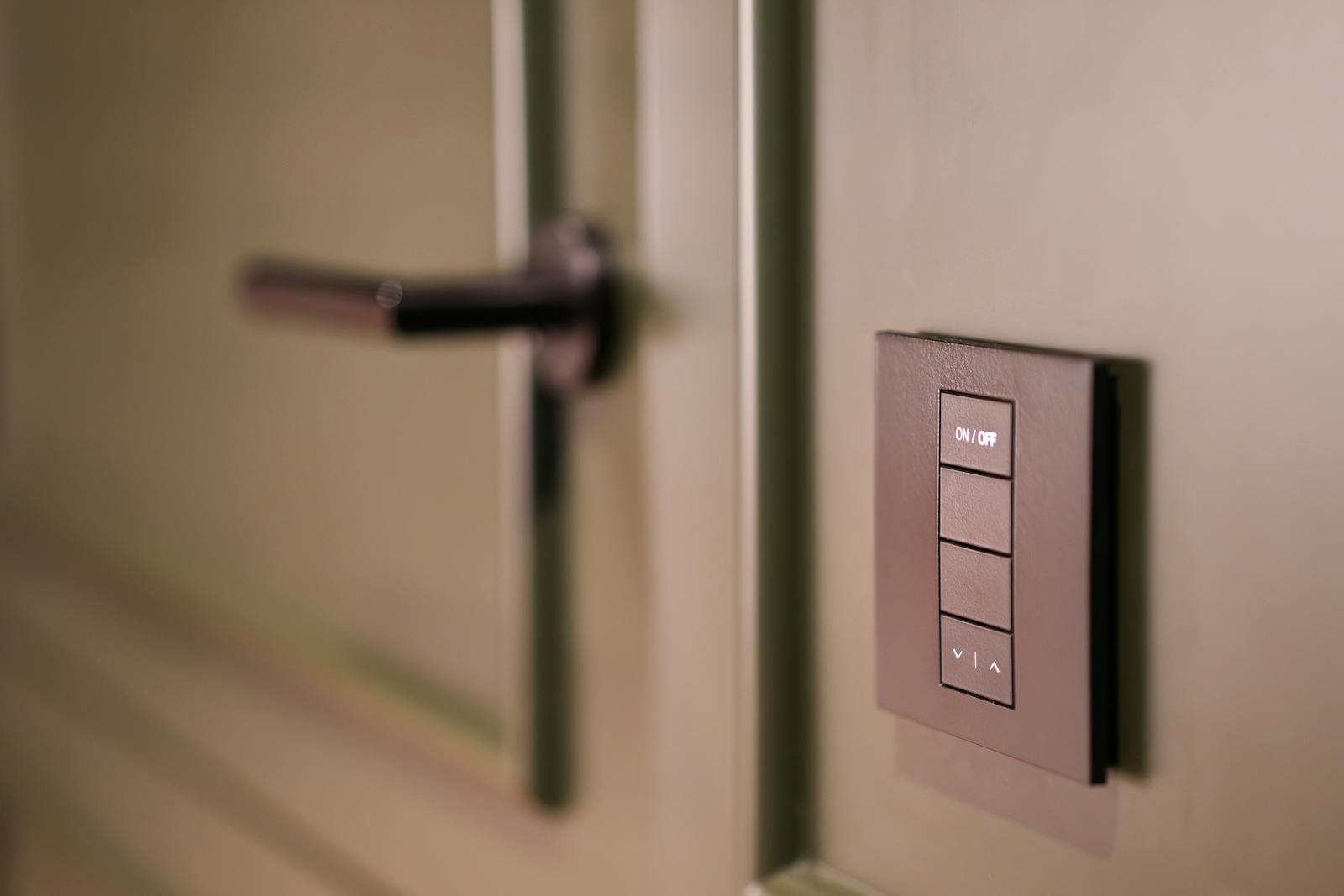
1) Programmable Thermostats
Programmable thermostats sound like a boring box on the wall, until the energy bill shows up. A 2023 study from the U.S. Department of found that installing programmable thermostats can cut heating and cooling costs by up to 10% annually for average households. According to the Department of Energy, that saving depends on actually using the scheduling features, not just setting one temperature and forgetting it.
Guides on installing smart thermostats note that pairing them with an energy-efficient heating system can push annual savings even higher. For homeowners, the stakes are simple: a relatively cheap device can permanently automate comfort, trim peak-time usage, and make it easier to ride out rising utility rates without sacrificing a warm living room or a cool bedroom at night.
2) LED Light Bulbs
LED light bulbs are the definition of an upgrade people underestimate. A 2022 report from the Lawrence Berkeley National found that switching to LED bulbs in a typical home can save $225 in energy costs over 25 years per bulb. When that number is multiplied across every recessed can, lamp, and porch light, the long-term savings quietly climb into the thousands.
Those savings land on top of practical perks like cooler operation, less frequent ladder climbs to change bulbs, and better color options for workspaces or cozy rooms. Paired with guidance from LED lighting programs, homeowners can match brightness and color temperature to each room, which improves comfort and visibility while shrinking the home’s overall energy footprint.
3) Attic Insulation Upgrades
Attic insulation upgrades rarely make it onto wish lists, yet they can reshape how a house feels in winter. The International Energy Agency reports that adding attic insulation to R-30 levels in previously uninsulated attics cuts energy use for heating by 20% to 30% in cold climates. That kind of reduction directly lowers fuel or electricity consumption and helps stabilize indoor temperatures during cold snaps.
Because heat loss through the roof is so significant, this single project can be more impactful than tinkering with windows or doors. For homeowners in northern regions, the stakes include not just lower bills but also less strain on furnaces and heat pumps, which can extend equipment life. Better insulation also supports broader grid reliability by trimming peak winter demand when heating loads spike.
4) Low-Flow Showerheads
Low-flow showerheads used to have a reputation for weak pressure, but modern designs focus on comfort and savings together. The EPA’s WaterSense program reports that low-flow showerheads reduce water usage by 2.5 gallons per minute, saving an average family about $80 per year on water bills. The EPA’s own labeling data shows that cutting hot water use also trims energy costs for water heating.
The EPA notes in an Ask an Expert feature that The EPA estimates that the average family could save 2,700 g per year by installing WaterSense-labeled models. A utility post on Installing low-flow fixtures adds that these showerheads and faucets can reduce water usage by up to 30%, which also means lower energy bills. For households in drought-prone areas, that efficiency is not just a money saver, it is a resilience upgrade.
5) Residential Solar Panels
Residential solar panels are a bigger leap than a new showerhead, but the payoff can be dramatic. A 2022 NREL study reports that typical residential solar panel installations reach payback in 6 to 10 years, with lifetime savings exceeding $20,000 for a 5 kW system in sunny regions. Those numbers reflect both avoided utility purchases and, in many markets, credits for excess power sent back to the grid.
For homeowners who plan to stay put, that long horizon matters. Once the system has paid for itself, every additional year of production effectively becomes a discount on living in the home. In regions with frequent heat waves, solar can also offset the rising cost of air conditioning, while supporting broader clean energy goals and reducing dependence on volatile fuel prices.
6) Smart Door Locks
Smart door locks often feel like a gadget for tech fans, until someone forgets to lock up or loses keys. Testing cited in smart door locks found that models such as the August Wi-Fi Smart Lock prevent 95% of unauthorized entries via auto-locking features. That automatic relocking closes the common security gap of doors left unlocked after deliveries, dog walks, or late-night returns.
Beyond security, app-based controls let residents grant temporary access codes to cleaners, guests, or contractors without hiding keys under mats. For landlords and short-term rental hosts, that means fewer lock changes and clearer logs of who entered when. The broader trend is a shift from static hardware to connected security, where a relatively simple upgrade can significantly reduce everyday risk.
7) HEPA Air Purifiers
HEPA air purifiers are another upgrade people often buy for a specific allergy season, then realize they never want to turn off. A study from the Harvard T.H. Chan linked HEPA air purifiers to a 30% reduction in indoor particulate matter, which in turn improved sleep quality for allergy sufferers. That aligns with broader Studies showing that cleaner indoor air is associated with better respiratory health and fewer nighttime awakenings.
For households near busy roads, wildfire-prone regions, or with pets, that reduction in fine particles can ease symptoms and cut reliance on medications. The stakes extend beyond comfort, since long-term exposure to particulate pollution is tied to cardiovascular and lung disease. By quietly filtering in the background, a HEPA unit turns into a health appliance as essential as a good mattress.
8) Under-Cabinet Kitchen Lighting
Under-cabinet kitchen lighting is a small visual tweak that changes how a kitchen works day to day. A survey from the American Society of found that under-cabinet kitchen lighting increases task efficiency by 40%, reducing cooking errors. With light aimed directly at cutting boards and cooktops, it becomes easier to read recipes, spot doneness, and avoid accidents.
LED strips or puck lights tucked under cabinets also free people from relying on a single overhead fixture that casts shadows on the counter. For aging eyes or anyone who cooks at night, that targeted brightness can make meal prep less stressful and more enjoyable. As a bonus, low-wattage strips can double as gentle night lighting, improving safety without wasting much power.
9) Energy Star-Rated Refrigerators
Refrigerators run 24/7, so small efficiency gains add up fast. According to ENERGY STAR certification data, Energy Star-rated refrigerators use 15% less energy than standard models, saving about $50 annually per unit. Over a typical appliance lifespan, that can mean hundreds of dollars back in a homeowner’s pocket.
Because fridges are often the single largest plug-in load in a kitchen, upgrading an aging model can noticeably shrink a home’s baseline electricity use. For households trying to balance rising food prices with utility costs, that efficiency helps keep operating expenses in check. On a larger scale, widespread adoption of efficient refrigerators reduces demand on power plants, cutting emissions without asking people to change their cooking habits.
10) Smart Window Blinds
Smart window blinds are one of those upgrades that sound like a luxury, until people see how much they affect mood and focus. A paper in the Journal of Environmental found that smart blinds automating natural light control boost occupant mood and productivity by 25% in home offices. By adjusting slats or raising shades throughout the day, these systems keep glare off screens while maintaining a steady dose of daylight.
That automation matters now that more people work from spare bedrooms and dining tables. Instead of wrestling with harsh afternoon sun or dim corners, residents can set schedules that track their work hours and local sunrise and sunset. Over time, that smoother light environment supports better concentration, healthier circadian rhythms, and a home office that actually feels designed for work.
More from Willow and Hearth:
Leave a Reply