Smartphones are sold like fashion, but they age more like appliances. Under the glossy marketing, there is a hard limit on how long the hardware, battery, and software support will actually hold up, and a separate moment when a device becomes genuinely unsafe or unusable. The real trick for buyers is learning to tell the difference between a phone that is merely “not new” and one that is truly obsolete.
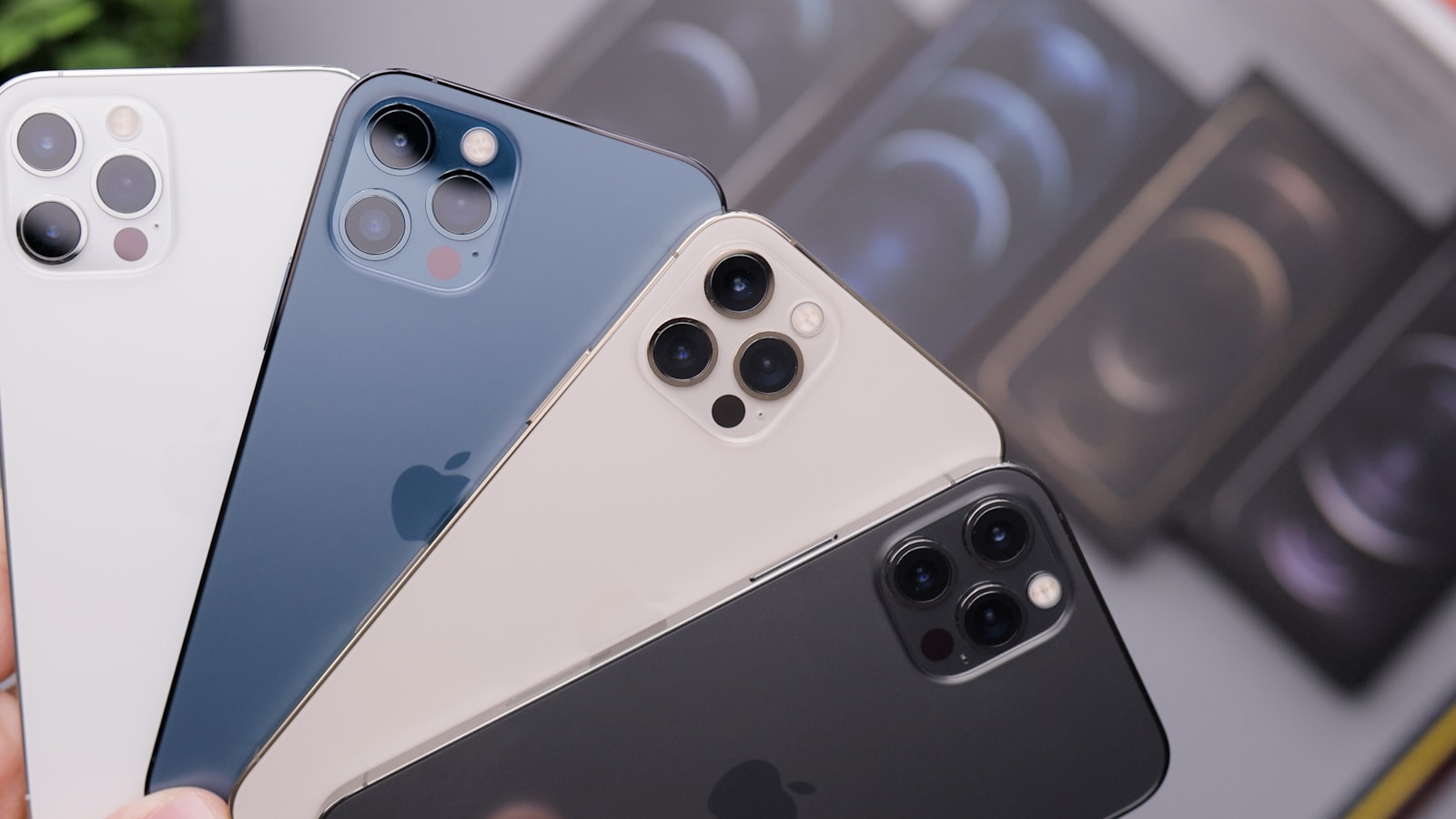
Once people understand those lines, they tend to keep devices longer, skip hype-driven upgrades, and spend money where it matters, like storage, battery health, and software support. That shift is already visible in how long Americans hang on to their phones and in how aggressively some brands now advertise multi‑year update promises.
How long phones really last in the wild
On paper, the typical smartphone is not a long‑term relationship. One major analysis pegs the average lifespan at exactly 2.53 years, a figure that lines up with broader surveys showing that Americans keep their phones for nearly 2.5 years on average. Other research puts the practical window a bit higher, with a Table of contents summary pointing to an average lifespan of 3 to 4 years for a typical device. In the background, a separate economic analysis notes that Average Smartphone Now 29 Months, and that longer lifespans are part of why some analysts say Experts Say It is Slowing The Economy. In other words, the hardware can usually go a bit longer than the upgrade cycle suggests, and people are already stretching it.
Brand and build quality matter too. One breakdown of average mobile life expectancy suggests that an iPhone can often run four to eight years, while What it calls Samsung phones tend to land around three to six years and Huawei devices around two to four. That is the physical potential, not the average behavior. A consumer snapshot shows that a “shocking number” of people still upgrade aggressively, with 11.89% buying a new phone every year and 4.28% upgrading every six months, even though Most people fall into a more relaxed every two to three year pattern.
When a phone is old versus truly obsolete
Age alone does not make a device useless. Engineers talk about Functional obsolescence, the point where a product can no longer perform its intended purpose because of wear, damage, or changing requirements, even if it still powers on. In phone terms, that might mean a battery that dies by lunchtime, a camera that cannot focus, or a device that struggles to install new applications. A practical guide to aging devices notes that How someone knows their phone is too old usually comes down to daily pain points: Your apps take ages to open, the device overheats, storage is constantly full, and Old software and security risks become concerning.
Obsolescence is a stricter line. One consumer‑focused explainer puts it bluntly: Obsolete phones no the apps and services people rely on, or they stop receiving critical security fixes. Another section in the same guide stresses that When It’s Time is not when a new model drops, but when core functions like banking apps, maps, or messaging no longer work reliably. A separate overview of device lifespans echoes that Maybe the right move is to hold on, maybe not, and that Things like cracked screens, failing batteries, and missing security patches matter more than the promise of the new.
That is why some carriers and retailers now offer tools that decode how long a specific model will keep getting updates, instead of just pushing the latest release. One such tool, highlighted in a local report, shows how Oct marketing language and fine print can hide the real cutoff date, and how But a simple lookup can reveal that support might be shorter than expected. Another explainer on replacement cycles points out that How Long Does a phone last is often limited less by catastrophic failure and more by the slow grind of battery wear, broken glass, and the moment when a device Smartphone Last breaks down sooner than expected.
Software support, upgrades, and knowing when to walk away
Software support has quietly become the new expiration date. A detailed guide for buyers argues that Jan advice for 2026 is to demand a clear and transparent update policy, because You do not want to be stuck with an insecure device prematurely. That is why some manufacturers now advertise long support windows as a selling point. One roundup of current flagships notes that Long term phone users are being courted by Google, which offers seven years of operating system updates, security fixes, and feature drops on its latest models. The company’s own support pages confirm that Pixel 8 and later phones will get updates for 7 years from first availability.
Rivals are moving in the same direction. A recent Q&A notes that the Best answer for future Samsung flagships is similar, with the Galaxy S26 expected to receive years of OS upgrades and security updates. Another explainer clears up a common fear by stating that Jan rumors about older Let models are overblown, and that no Samsung Galaxy phone will suddenly stop working in 2026, even if Your device eventually loses new features and security patches. That nuance matters: a phone can keep making calls and running basic apps long after official support ends, but the security risk climbs.
So when should someone actually upgrade? A practical rule of thumb from one guide is that a new phone should last between 3 to 5 years with normal use, which matches advice that Oct buyers asking How long a new phone should last should expect that range if they avoid abuse. Another overview of longevity argues that How long a smartphone should actually last depends on Every manufacturer’s designated expiration date, not just the hardware. A separate checklist on aging devices spells out that Signs Your Phone include banking apps refusing to install, navigation glitches, and missing security updates, and it urges readers to Look for those red flags instead of chasing carrier promotions or new features. At the same time, a separate set of tips reminds users that the Signs it is time to replace can often be delayed with simple habits like avoiding extreme heat, managing storage, and replacing a tired battery.
Hardware trends also complicate the upgrade math. One analysis of rising memory costs warns that for smartphones, this could mean fewer models with 16 GB of RAM and more compromises on multitasking and AI features. Another report on the same crunch suggests that Dec buyers might want to think twice before upgrading in 2026, because You could pay more for less memory as manufacturers pass on the additional cost to customers. Put together, the reporting points to a simple, unglamorous answer: a well‑chosen phone, with strong software support and decent storage, should comfortably last three to five years, and the moment it becomes truly obsolete is when security and core apps give out, not when the next launch event hits.
More from Willow and Hearth:
Leave a Reply