Gardeners tend to collect tools the way plants collect aphids, and before long every trowel, pruner, and spare nozzle is buried in a chaotic pile. The clever workaround is hiding in plain sight on the back of a door: a simple over-the-door shoe rack that turns dead space into a vertical command center for gear. With a few smart tweaks, that “shoe” organizer becomes a surprisingly polished storage system for everything from seed packets to hand forks.
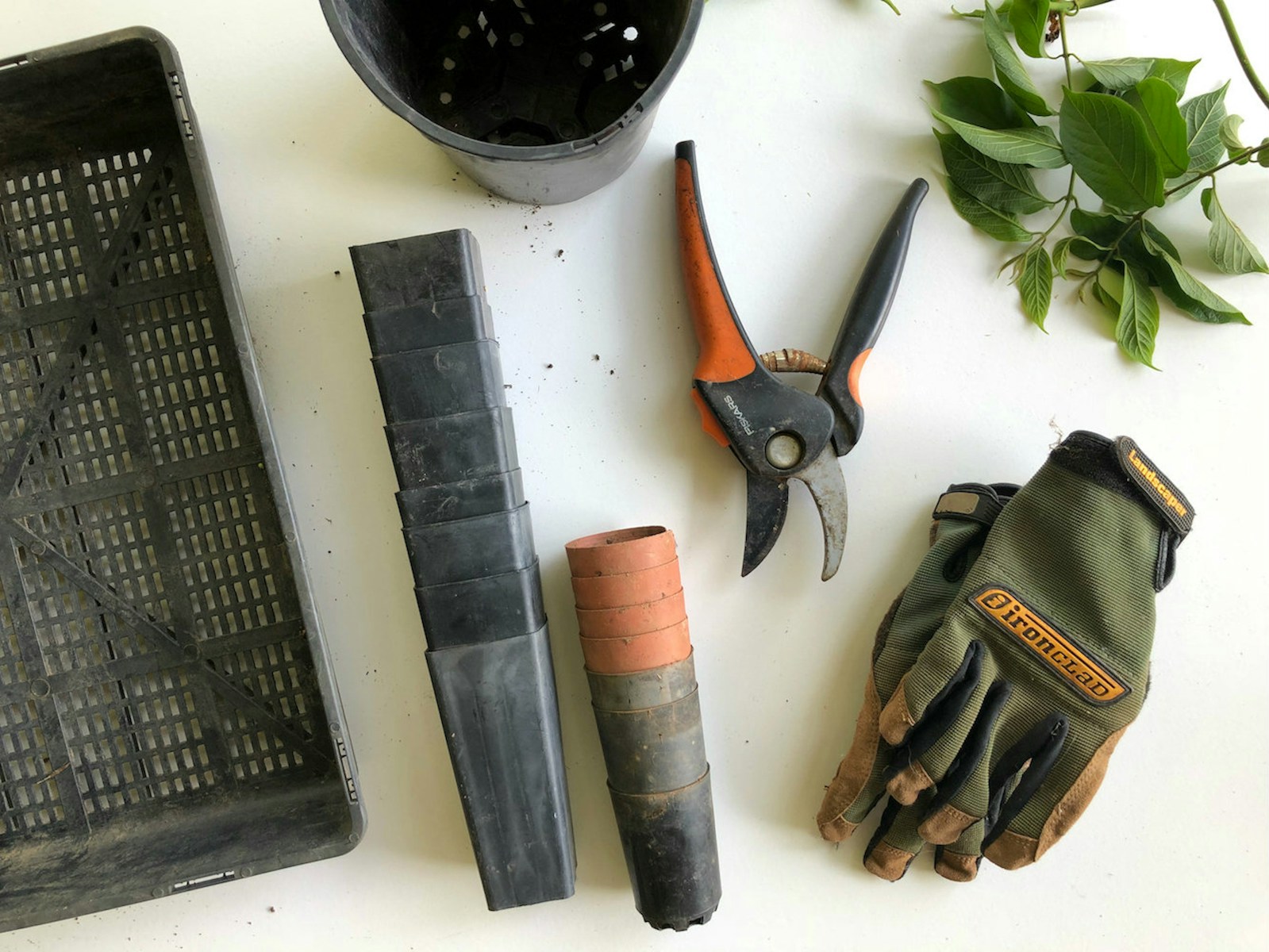
Instead of investing in bulky cabinets or a bigger shed, this hack leans on lightweight pockets, clear labeling, and a bit of planning to keep tools visible and within reach. The result is a setup that feels more like a well-stocked studio than a cluttered corner of the garage, and it can be installed in an afternoon with almost no tools.
Why a Shoe Rack Works So Well for Garden Gear
The basic structure of an over-the-door rack is tailor-made for small garden tools: rows of pockets, all at eye level, that turn a flat surface into storage without stealing floor space. Retail versions are explicitly designed to hang on the back of doors, with hardware that lets them sit securely while keeping items from sliding off, and they are meant to hold shoes securely without taking up floor space, which translates nicely to hand tools and gloves too, as products described with a simple “Yes” and “They” make clear. That vertical layout is especially useful in tight sheds or utility closets where every square inch of floor is already spoken for by bags of soil and bulky pots.
Material choice matters, though, if the rack is going to live near damp boots and muddy tools. Organizing pros suggest that when someone is choosing an over-the-door organizer, they should look for plastic or mesh pockets, with “Jul” and “The Dos” and “Don” and “Door Shoe Organizers” and “When” all pointing to the same advice that mesh offers softness with visibility, while plastic adds moisture resistance. That combination is ideal for gardening, where wet pruners and packets of fertilizer need airflow and easy monitoring so they do not quietly rust or clump at the bottom of a dark bin.
Setting Up a Pocket-Perfect Garden Station
The smartest way to turn a shoe rack into a garden station is to start with the tools, not the door. Storage specialists recommend gardeners first lay out the gear they actually use, then decide which items can share space and how many of each kind they own, advice captured in guidance that begins with “Aug” and continues through “Lay” and “How”. Once the essentials are identified, each pocket can be assigned a job: one for hand trowels, one for pruners, another for twine and plant ties, and a few for seed packets and plant labels. This upfront sorting keeps the rack from turning into yet another junk drawer, just one that happens to hang vertically.
Real-world gardeners have already road-tested this approach. One project describes how garden tools were always scattered throughout a shed until a hanging organizer corralled everything in its place, with the transformation summed up in a grateful “Thanks” to a “Han”ging solution. Another tutorial walks through how to cut apart individual label designs, weed out the negative space, and place each design plastic side up on a pocket so every tool category is clearly marked, with instructions that start with “Cut” and “Place” to keep gardeners from hunting for that matching glove. The result is a rack that functions more like a tidy toolbox than a catchall.
Making the Most of Doors, Walls, and Vertical Space
Once the pockets are under control, the next step is deciding where the rack should live. Home organizers like to remind people that “Doors Are Walls, Too Wall” and that the back of a door can function as bonus storage when wall space is maxed out, a point spelled out in a post that also notes “But the” back of the door is often overlooked. That makes the inside of a shed door, a pantry door, or even a laundry-room door prime real estate for a shoe-rack-turned-garden-station, especially when the rest of the walls are already lined with shelves and long-handled tools.
For heavier gear, the shoe rack can team up with more rugged hardware. Guides to garden storage point out that wall-mounting racks are typically sturdy, industrial-strength steel designed to hold heavy-duty items, with one overview noting that “Typically” these racks rely on strong hooks. A popular DIY idea shows how a simple wooden plank with hooks, wall screws, and a drill can become a “Neat and Practical” for rakes and shovels, while the pockets handle the smaller accessories that would otherwise sink to the bottom of a bin.
From Seed Packets to Long-Handled Tools
The beauty of this hack is how flexible it is. Some gardeners even use shoe organizers as vertical planters, turning each pocket into a mini bed for herbs or strawberries, a concept demonstrated in a video where the host introduces a shoe organizer vertical planter and casually mentions sharing it on “Apr” and on “Instagram”. Others stick to storage and dedicate pockets to moisture meters, plant food, and gloves, echoing advice that gardening involves far more than plants and that a dedicated pocket system for “Gardening Tools” and “Moisture” gadgets can keep the hobby from taking over every surface.
Of course, not every tool fits in a pocket. Long-handled gear still needs a home, and gardeners have experimented with everything from rolling freestanding racks that hold tools upright to simple systems that group yard tools with hooks, as one discussion from “Jun” and “6hooks” describes. Purpose-built sheds, such as the CHRISTOW Small Garden Shed with a tall slim profile, shelves, a slope roof, and a lockable door, are carefully designed so that all the screw points are pilot drilled and the associated “All the” screws are labeled, even if a long handle will not fit in every compartment, and accessory hooks marketed with lines like “Who Should Buy” and “Suitable For Organized” help keep heavier items in line. Against that backdrop, the humble shoe rack shines as the low-cost, high-impact piece that finally gives every small tool a predictable landing spot.
Gardeners who have tried other storage shortcuts know the difference. Some have tested flimsy plastic organizers from home stores and found them hopeless, or resorted to tossing tools in a corner and hoping for the best, as one candid account that begins with “Oct” and “They” admits. By contrast, a sturdy over-the-door organizer with mesh or plastic pockets, hung on a door that finally earns its keep, turns the daily hunt for tools into a quick grab-and-go ritual that feels almost luxurious.
More from Willow and Hearth:
Leave a Reply