A living room can look perfectly styled and still feel a little chilly, and not because of the thermostat. The quiet culprit is often the wall color, especially when it leans just a touch too cool. Shift that shade a few degrees warmer and the same furniture, the same layout, even the same light suddenly feel softer and more inviting.
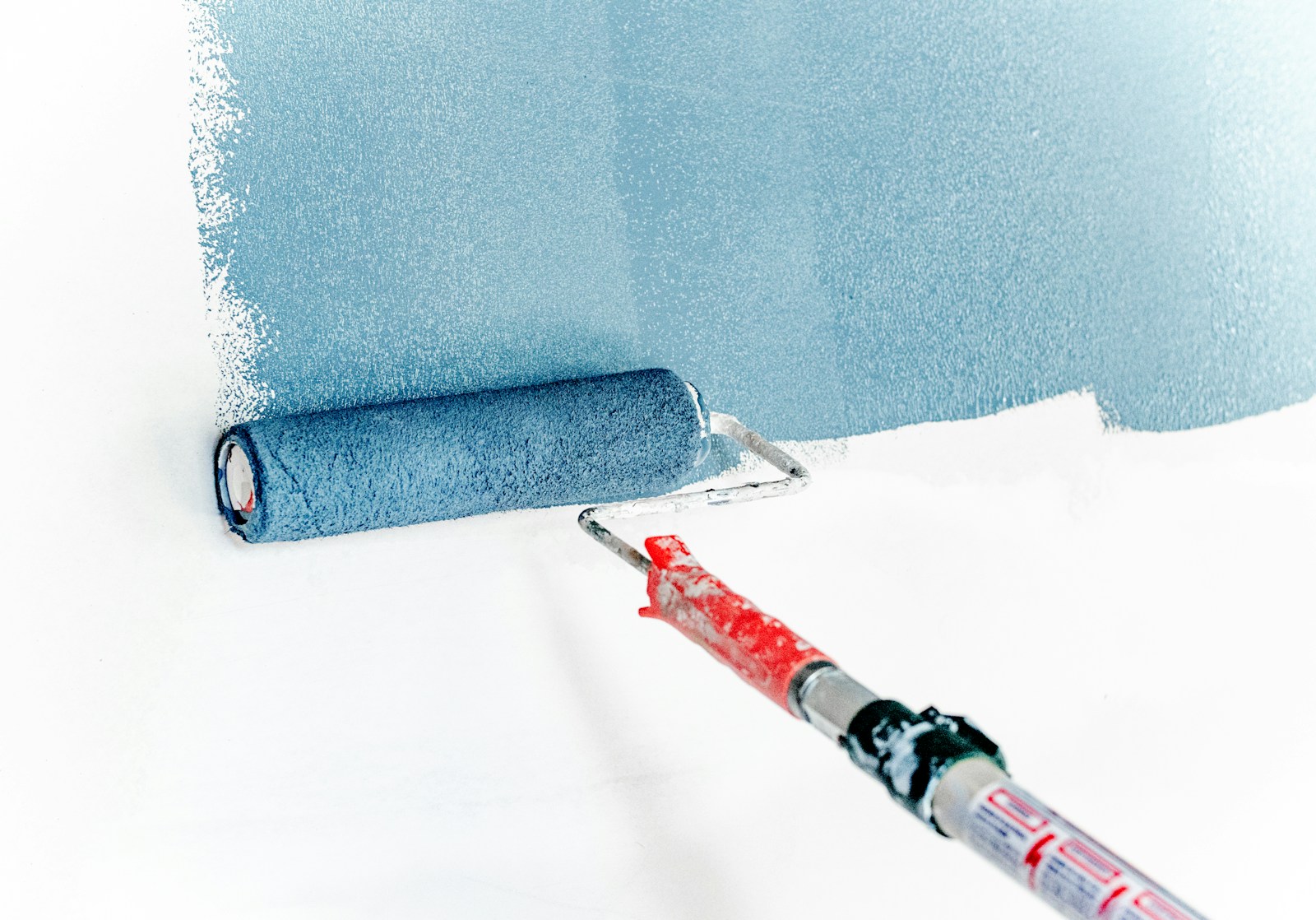
The trick is not a dramatic color overhaul but a tiny pivot in undertone, from icy to creamy, from blue-based to yellow or red-based. Color experts describe this as moving from Cool Colors to Warm Colors, and that subtle move is what makes a living room feel like somewhere people actually want to linger.
Why a Half-Step Warmer Shade Changes Everything
Designers talk about warmth in paint the way stylists talk about tailoring: the smallest adjustment can completely change how a room wears its color. Instead of jumping from white to terracotta, they often recommend nudging a cool neutral into a warmer version, like trading a stark white for a creamy beige or ivory. One guide to cozy interiors notes that creamy beige is essentially a step up from white, with just enough pigment to brighten a space without feeling harsh, while another source points out that Ivory or Beige keep things light and bright while adding a little more pigment and coziness. That is the “tiny change” in action: the color family stays the same, but the room’s mood shifts from gallery-like to welcoming.
Color theory backs up what people feel instinctively. In basic Warm & Cool, hues built from yellow, orange, red and their combinations are described as energizing and sunlit, while cooler tones recede. A separate designer Guide to Warm Colors and Cool Colors explains that even neutrals sit on one side or the other depending on undertones. That is why a barely-there pink-beige can feel snug while a nearly identical gray reads flat. One expert video released in Oct breaks it down as almost a temperature scale, with warm colors advancing and cool ones receding, which is exactly what people sense when a living room suddenly feels less like a waiting room and more like a lounge.
The Undertone Tweaks That Make a Living Room Feel Cozy
Once someone knows warmth is mostly about undertone, the next step is choosing that slightly toastier version of what they already like. A detailed breakdown of Warm Neutral Paint highlights how warm ivory acts as a bridge between crisp white and deeper beige, while Greige (that gray beige hybrid) adds depth without darkening the room. Another set of Cozy Paint Colors to Warm Up Cool Snug Spaces leans on similar logic, with pros favoring shades that have a hint of brown, red, or yellow to counteract a room that feels cold. Another resource on Key Takeaways urges people to Choose warm earth tones like browns and greens and notes that Mid toned hues are often the most versatile for adding comfort.
Color psychology adds another layer. A guide to mood lifting interiors points out that Even within one color family, a dusty rose feels sophisticated while a bright bubblegum reads playful, and that same nuance applies to neutrals. A separate overview of Warm Paint Colors a Cozy and Inviting suggests options like soft peach, muted clay, and pink white to infuse warmth without overwhelming a room. Another guide to Psychology of Warm notes that They can literally boost perceived warmth, with Shades like terracotta or golden beige counteracting a chilly exposure. That is why some experts recommend paint colors to cheer up a small room and note that Paint choices can make a Small space feel calmer instead of cramped.
How to Spot (and Buy) That Just-Right Warm Neutral
Of course, all of this only helps if someone can actually see the undertone before the paint is on every wall. One practical guide notes that it is quite easy to distinguish between heavily pigmented colors, but with neutral tones people have to work out what the underlying hue is and whether it will read warm or cool when it is up on the walls, advice that is echoed in a detailed breakdown on finding the perfect. Professionals often talk about The Basetone, the pigment’s overall temperature, as the key to predicting how a color will behave in real light. That is why they paint large swatches or use drawdown pads instead of trusting a tiny chip.
Once someone knows what they are looking for, shopping becomes less overwhelming. A designer guide to What Are Warm suggests starting with samples that already lean warm, then comparing them side by side to see which one feels most balanced. Some homeowners gravitate toward a muted rose that is described as Not overtly pink but incredibly soft, while others prefer a similar Not too sweet rose with enormous warmth. There are also plenty of warm leaning neutrals available through online product listings, from soft ivory to greige, and shoppers can compare them with slightly cooler options in other product ranges.
For anyone who wants to lean a bit bolder while staying warm, there are richer options that still behave like neutrals in a living room. Curated collections of Warm Paint Colors cozy spaces include ochres, clay tones, and pink whites that wrap a room in color without shrinking it. Other mood boosting palettes highlight how a soft terracotta or muted coral can elevate a room’s overall aesthetic, with These shades working particularly well in social areas. Even small shifts within a color family matter, as one guide notes that a dusty rose feels more sophisticated than a bright version, and that nuance shows up in many warm leaning product lines. For those who still love a very light backdrop, there are warm whites and ivories in multiple product ranges, along with deeper but still cozy hues in other product collections.
More from Willow and Hearth:
Leave a Reply