Cotton towels have a reputation for quietly outlasting the competition, from budget microfiber to flashy poly blends. The secret is not a marketing slogan but the way cotton fibers behave under daily abuse, hot water, and detergent. When shoppers look past the color and price tag, they usually find that pure cotton is the option that keeps its shape, softness, and absorbency long after other fabrics tap out.
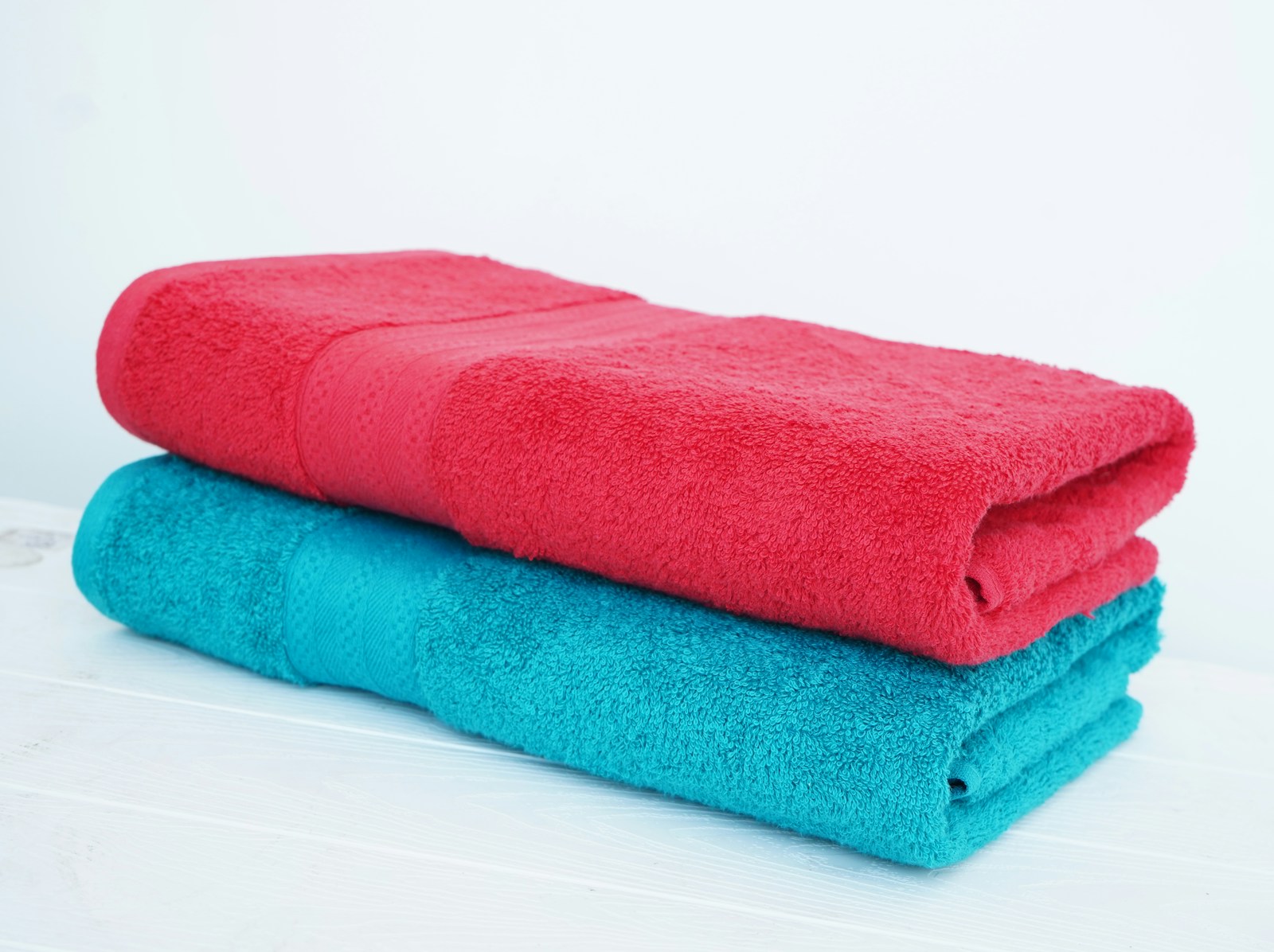
That staying power is especially clear in busy households and hotels, where towels are washed on repeat and still need to feel inviting. The more closely one looks at how cotton is grown, spun, and woven, the easier it is to see why a good cotton bath sheet is less of an impulse buy and more of a long-term fixture in the linen closet.
Why cotton fibers hold up where synthetics give out
The durability story starts with the fiber itself. Cotton is a natural cellulose fiber that can be twisted into strong yarns without the brittleness that shows up in some synthetics. When brands talk about Why Choose 100% Cotton Towels, they point out that long, uniform staples resist breaking, which means fewer loose threads and less pilling over time. That is why a well made cotton loop can survive years of tugging on towel bars and spins through the dryer without unraveling into fuzz.
By contrast, many microfiber and poly blends rely on very fine synthetic filaments that are great at grabbing dust but less happy in a hot wash cycle. Reporting on cotton versus microfiber notes that when it comes to Durability and Longevity, cotton loops can bounce back for years if properly maintained, while microfiber is more prone to matting and losing its plush feel. Even blended towels that mix cotton with polyester tend to sacrifice some of that long term resilience in exchange for a lower price or faster drying time.
The difference shows up clearly in institutional settings. Guides aimed at hotels explain that Advantages of Cotton Towels over Poly Cotton Towels include better resistance to harsh detergents and high heat, both of which are standard in commercial laundries. When those same experts drill down into fabric content, they stress that 100% cotton loops are less likely to melt, pill, or thin out compared with poly cotton towels that blend in synthetic fibers for cost savings.
Absorbency, aging, and why the “old favorite” keeps winning
Longevity is not just about a towel staying in one piece, it is about how well it keeps doing its job. Cotton’s structure gives it a natural edge here too. Each fiber has tiny spaces that pull in and hold water, which is why cotton bath sheets feel reassuringly heavy when wet. Textile specialists who compare cotton and microfiber point out that cotton’s Absorbency is tied to this internal structure, while microfiber relies more on surface area. That is great for wiping glass, but in a bathroom, people tend to prefer a towel that soaks up water instead of just pushing it around.
Interestingly, cotton often gets better with age. As towels cycle through the wash, leftover manufacturing finishes gradually rinse away and the loops open up. One breakdown of Cotton Fibers and notes that older bath towels can absorb water more efficiently than brand new ones once those coatings are gone, especially when the base fiber is high quality cotton. That means the “old reliable” towel at the front of the stack is not just sentimental, it is performing better because the cotton has relaxed into its full potential.
Hotels that buy in bulk lean into this effect. Suppliers who focus on What Are the emphasize long lasting quality as a key reason hospitality buyers keep choosing cotton. They highlight that properly woven loops can handle frequent washing without losing absorbency, which is crucial when a bath towel might see multiple guests in a week. That same logic applies at home, where a family towel that still dries quickly after years of use is quietly saving money by delaying the next shopping trip.
Why premium Egyptian cotton stretches the lifespan even further
Within the cotton family, some fibers are built to go the distance. Authentic Egyptian cotton is grown to produce extra long staple, often shortened to ELS, which spins into smoother and stronger yarns than regular upland cotton. Analysts who explain How They Differ from Regular Cotton To show that these longer fibers reduce breakage and shedding, so the towel keeps its loft and structure for more seasons. That is why Egyptian cotton towels are often framed as a true investment rather than a quick upgrade.
Specialists who focus on Egyptian yarns point to several advantages that directly feed into lifespan. High GSM density gives the fabric a weighty, spa like feel, while the ELS loops are described as non abrasive against the skin and less likely to flatten. A deeper dive into Why Egyptian Cotton is Considered the Best ties that softness directly to longevity, noting that the strength of the ELS fibers helps the towel last significantly longer than other materials.
That premium performance shows up in real homes, not just in marketing copy. One guide that asks What the benefits of Egyptian Cotton Bath Towels are highlights Unrivaled Durability and Longevity, explaining that the loops are less likely to fray and thin out quickly. Another breakdown of Why Egyptian cotton towels usually last longer notes that bath towels used several times a week can stay in rotation for up to five years in most homes. When shoppers factor in that kind of lifespan, the higher upfront price starts to look more like a cost per use calculation than a splurge.
The quiet cost savings of choosing pure cotton
Durability is not just a feel good story, it has a budget angle. Analysts who look at long term value point out that there are a lot of towel materials on the market, but cotton tends to show less wear and tear after repeated wash cycles. One consumer focused breakdown that starts by saying There are a of choices concludes that cotton towels are the most durable choice in the long run, precisely because they keep their structure and absorbency instead of heading for the rag pile early.
There is also an environmental and comfort angle baked into that decision. Advocates who urge shoppers to stop wearing plastic argue that cotton beats synthetics for towels and blankets because it is breathable, naturally soft, and does not shed the same kind of microplastic particles in the wash. When hospitality experts compare Cotton Towels and Poly Cotton Towels, they underline that cotton towels are towels made entirely from natural fibers and are less prone to unraveling, even after institutional laundry. Taken together, those details explain why so many households keep reaching for cotton first and why, years later, those same towels are still hanging on the back of the bathroom door.
More from Willow and Hearth:
Leave a Reply