Across group chats, book clubs, and late-night text threads, a quiet trend is taking shape: a lot of older women are deciding they are simply done with dating. They are not necessarily anti‑love, but they are opting out of the grind of apps, awkward first drinks, and emotional labor that never seems to be reciprocated. Instead, they are pouring that energy into friendships, travel, and a version of independence that would have been hard to imagine a generation ago.
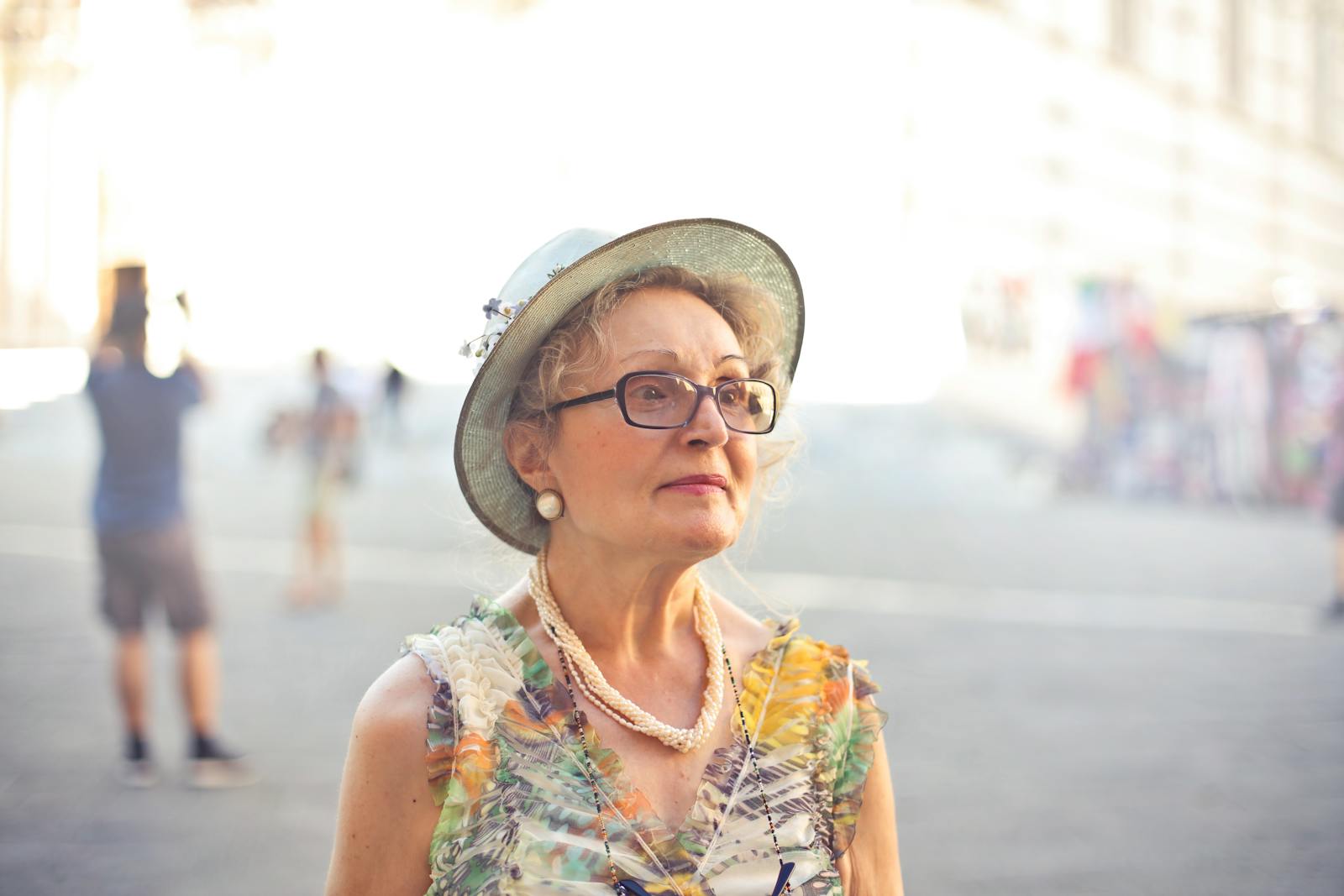
That choice is not happening in a vacuum. It sits inside a broader shift in how midlife and later‑life relationships work, from the rise of long‑term but non‑marital partnerships to a growing comfort with staying single for good. For many women, “checking out” is less a bitter surrender than a clear-eyed decision about where life actually feels good.
Burnout, Red Flags, and the Emotional Math of Dating After 60
By the time a woman hits her late fifties or sixties, she has usually logged decades of emotional heavy lifting, and that history shapes how she looks at romance. Some describe a kind of romantic fatigue, a sense that they have already survived enough disappointment and are not eager to sign up for more. One analysis of later‑life relationships notes that Real Challenges of 60 include deep “Emotional Blocks,” especially a lingering “Fear of” rejection that means Some people do not even put themselves out there. When the cost of vulnerability feels that high, walking away from the whole scene can look like self‑preservation, not pessimism.
That instinct is reinforced by the reality of modern dating culture, where older women are told to watch for a minefield of warning signs. Guides aimed at people in their sixties flag patterns like Inconsistent communication, love‑bombing, and controlling behavior as red flags that can signal partners who may be inherently manipulative or abusive. After years of learning to spot those signals, many women decide they would rather be alone than spend their retirement years policing someone else’s behavior. Lists of reasons older women are finished with romance, including one Story by Favour Benjamin Provided through FODMAP Everyday, describe relationships that feel more like a burden than a blessing, full of caretaking, criticism, or financial strain. At a certain point, the emotional math just does not add up.
The Pull of Freedom, Stability, and a New Kind of Single Life
On the other side of that equation is the life many older women have built on their own, and they are understandably reluctant to disrupt it. One widely shared piece on later‑life singlehood notes that in the United States, research from the Pew Research Center suggests nearly one in four adults is projected to remain single, and many are choosing that path because it means not having to split half your stuff and money or compromise on daily routines. Older women echo that logic in personal essays and surveys, describing how “Freedom Tastes Too Good” once they have spent years Living without checking in, coordinating plans, or negotiating every weekend. For them, the quiet of a solo Sunday morning or the ability to book a last‑minute trip with friends is not a consolation prize, it is the main event.
That sense of autonomy shows up again and again in lists of Reasons Why Older are Done With Dating, where themes like The Freedom of Independence and images credited to Darina capture a lifestyle that feels rich without a partner. Analysts of midlife romance point out that Most people ages 45 and 60 still say they are open to marriage, but those over 60 are more likely to prefer a Long Term Relationship, Marriage optional, that does not require merging households or finances, a pattern highlighted in one look at Most older daters. For women who already have their own home, routines, and retirement plans, staying officially single while enjoying companionship on their own terms can feel like the best of both worlds.
When Modern Dating Culture Just Feels Like Too Much Work
Even for women who are not philosophically opposed to partnership, the way people date in 2026 can be a deal‑breaker. App culture rewards snap judgments and endless swiping, which can feel especially harsh to people who value conversation over curated selfies. Commentators on new dating trends describe a shift toward “ChemRIZZtry,” summed up as “When the Vibes Hit Harder Than the Visuals,” and remind readers that You might think someone is just a friend of a friend until the banter clicks, a dynamic explored in one rundown of When the Vibes. At the same time, another forecast notes that Dating in 2026 is Going to Be All About Clear Coding, Friendfluence, and Hot‑Take Dating, with “Clear” “Coding” framed as a push for people to state their intentions up front, according to one Dating trend report. For older women who grew up meeting partners through work, neighborhoods, or mutual friends, the jargon and constant optimization can feel less exciting than exhausting.
Some high‑achieving singles with established careers, kids, and full lives are also rethinking what kind of relationship would even fit. One analysis of 2026 trends quotes Purdum saying that “a dual‑citizen couple is the new power couple,” and notes that for these daters, the ideal setup is a connection that does not require major lifestyle disruption or merging households, a pattern that has become more visible in coverage of Purdum and others. Advice aimed at seniors encourages people to Engage actively in community events and Approach new relationships with curiosity rather than pressure, suggesting that meaningful connection can grow out of shared interests instead of swipes, as one guide to later‑life romance puts it in a section on how to Engage locally. Yet many older women read that advice and decide they would rather pour that social energy into friendships, volunteering, or grandchildren than into another round of first dates.
There is also a quiet shift in expectations that makes opting out feel more acceptable. Commentators note that Aug conversations about midlife love often center on Women who realize They no longer have to settle for the first person who shows up, especially when they have their own income and support networks, a theme explored in one widely shared Women‑focused essay. Another piece points out that in the past, women had fewer options and were often pressured into marriage regardless of what they were looking for in a partner, while now they can be far more selective or decide they simply do not want to find love at all, a change captured in a discussion of how In the past expectations were different. For many older women, saying they are done with dating is not a sign of failure, it is a clear boundary in a culture that finally gives them permission to choose themselves.
More from Willow and Hearth:
Leave a Reply