A Chick-fil-A worker says he did what millions of people do on a sick day: stayed off the clock, then swung by for some takeout. According to his account, that quick food run cost him his job after a manager spotted him and decided his illness was not convincing. The phrase he used to describe it, “I can’t make this up,” has turned a routine scheduling dispute into a viral snapshot of how fragile fast-food jobs can feel.
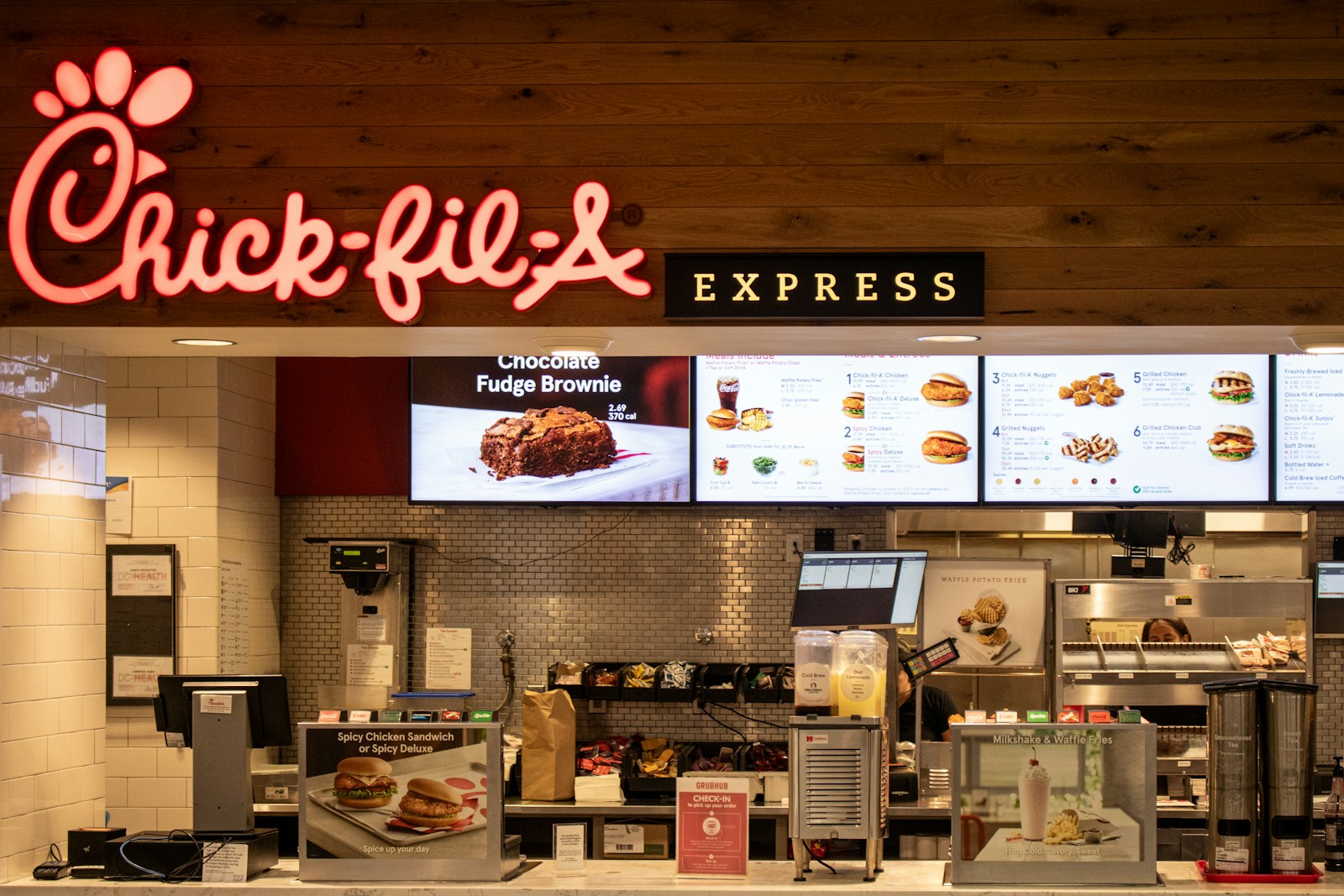
His story is landing in a culture where customers already know Chick-fil-A as the chain that closes on Sunday and talks a lot about values, while workers trade stories online about strict rules and sudden terminations. The tension between a polished brand and the messy reality of low-wage work is on full display in this latest dustup over what it really means to be “too sick to work.”
What the fired worker says happened
The worker at the center of the viral phrase says the trouble started when he called out sick for a scheduled shift, telling his Chick-fil-A location he was not well enough to come in. Later that same day, he went to pick up food, assuming that being off the clock meant he was free to move around like any other customer. According to his account, a manager saw him at the restaurant and questioned how he could be too ill to work but healthy enough to stand in line for a meal.
He says that encounter quickly escalated into a decision to let him go, with the manager treating the food pickup as proof that his sick call was dishonest. The story, shared on social media and amplified through a Sep post that repeated his “I can’t make this up” line, framed the firing as punishment for being seen in public rather than for any documented policy violation. Unverified based on available sources are key details like his name, the exact city, or whether he was offered any appeal, but the broad outline has resonated with other fast-food workers who say they have been accused of faking illness for doing anything more strenuous than lying in bed.
The fine print of Chick-fil-A sick rules
Behind the drama is a reality that many customers never see: Chick-fil-A locations often spell out strict expectations for calling out. At one restaurant known as Chick-fil-A The Grove, workers are told that if they call out sick they must Notify a director or shift lead by actually CALLING the store as soon as possible, not just texting a coworker. That same policy warns that failing to follow the steps can lead to disciplinary action, which gives managers wide discretion to decide whether a sick call is legitimate or a problem.
Another Chick-fil-A operation in New Orleans lays out its expectations under a section labeled Team Member Schedule outs, stating that missing a scheduled shift is only valid in an emergency or “extenuating circumstances” such as a doctor’s note or other documentation. That kind of language can make a manager more likely to see a worker’s quick food run as evidence that the situation was not serious enough, even if the employee feels they followed the rules. The gap between how the policy reads on paper and how it is enforced in the moment is exactly where conflicts like this one tend to explode.
Values on paper, pressure in practice
Chick-fil-A spends a lot of time telling the public what it stands for, and those promises shape how stories like this land. The company highlights its culture by noting that its restaurants are closed on Sunday, saying that gives Operators and their teams a day to rest and worship if they choose. On the careers side, the company leans heavily on language about care, respect, and personal growth, which sets an expectation that workers will be treated with patience when life gets messy.
Yet the chain’s franchise model means that individual Operators and managers often decide how hard to lean on rules about attendance and conduct. When a worker says he was fired for being seen picking up food on a sick day, it clashes with the brand’s carefully curated image of grace and understanding. That disconnect is not unique to this case, and it helps explain why the story has traveled so far: it taps into a broader skepticism about whether corporate values really protect the people in the red polos and name tags.
When viral moments cost Chick-fil-A workers their jobs
The sick-day firing claim is landing in an ecosystem where Chick-fil-A workers have already seen how quickly a job can vanish once a moment goes viral. In one Aug report, a 19-year-old Chick employee in the Bay Area said she was fired after posting a TikTok that showed a menu hack, describing how she had been warned not to make videos that could be seen as representing the company. She framed her clip as harmless insider info, but management saw it as a policy violation and ended her time at the Bay Area Chick location.
Another Aug story followed a teenager named Ana, also 19, who said she was let go after sharing a TikTok that walked customers through how to get more value from their orders. She argued that she was “looking out for the company,” but acknowledged that the trend of workers posting behind-the-scenes clips often runs straight into company policy. In both cases, the workers saw themselves as enthusiastic insiders, while managers saw risk to the brand, a pattern that echoes in the sick-day dispute where the worker insists he did nothing wrong while leadership apparently read the situation very differently.
Discipline, discrimination, and the line between
Chick-fil-A has also faced backlash when discipline appears to cross into outright mistreatment. In one widely shared incident, a #Durham Chick worker lost his job after a viral TikTok showed him MOCKING a Hispanic woman’s accent, with the clip identifying the customer as Jose Luis Ramos. In that case, the firing was framed as a clear response to discriminatory behavior caught on camera, and many viewers saw it as an example of the company enforcing its stated values rather than contradicting them.
There have been other moments when Chick-fil-A moved quickly to distance itself from employee conduct. In West Memphis, a West Memphis Chick-fil-A location fired workers after a video surfaced that showed one employee spitting in food, with a representative named Cardwell saying the employees were identified and immediately terminated. Those cases, involving harassment and food tampering, are far from a sick-day dispute, but they show how quickly Chick-fil-A Operators will cut ties when they believe an employee’s behavior threatens customer trust.
That contrast is what makes the “I can’t make this up” story so sticky. On one end of the spectrum are workers caught mocking customers or spitting in food, where termination feels obvious. On the other is a worker who says he followed the call-out rules and still lost his job for being seen at the counter. The company’s own policies about calling out, its public emphasis on Sunday rest for Operators and staff, and its history of reacting hard to viral clips all collide in that moment at the register, leaving customers and workers to argue online about where accountability ends and overreach begins.
More from Willow and Hearth:
Leave a Reply