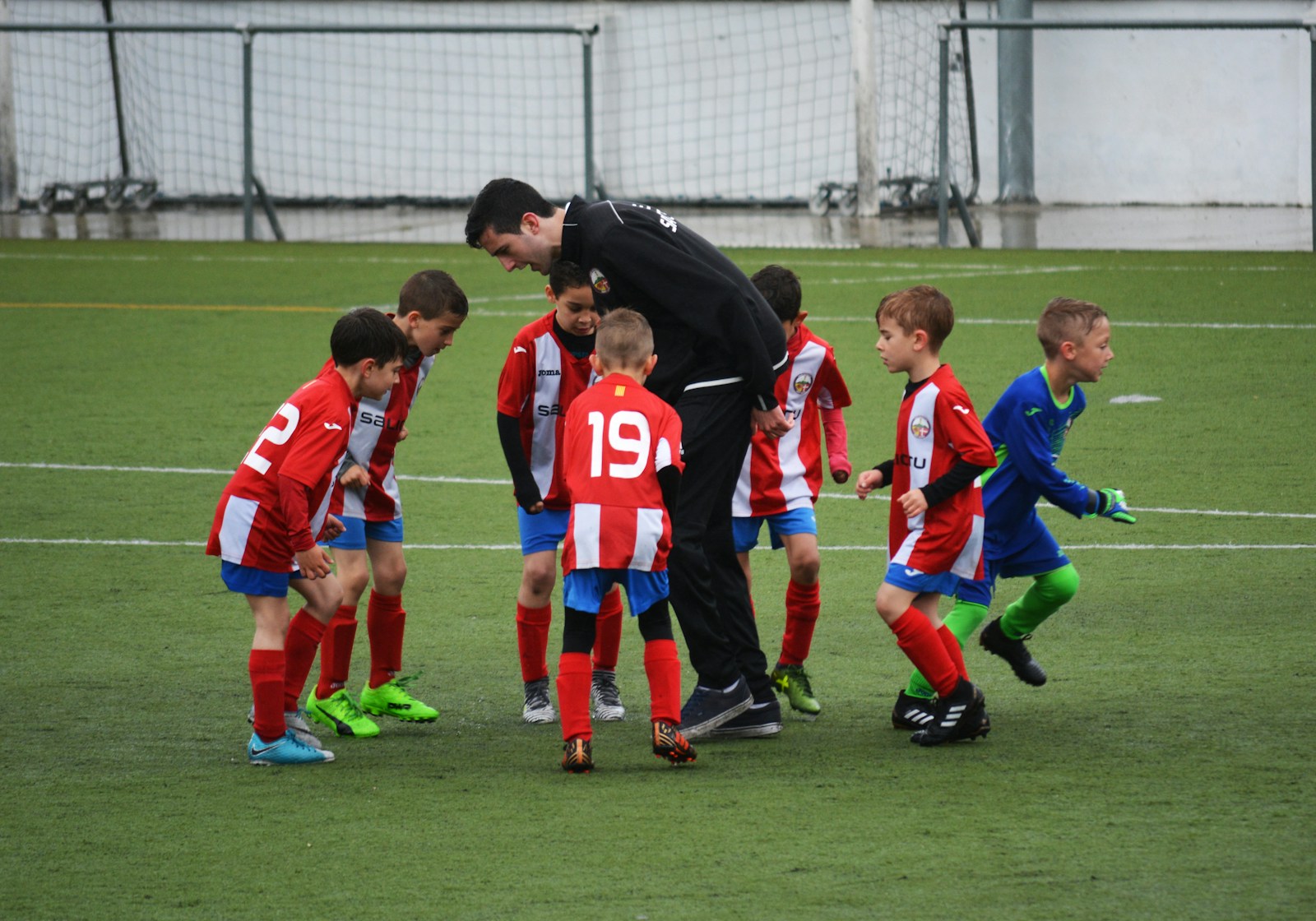
So, picture this: You’re sitting across the kitchen table from your kid, and they’ve just dropped the bombshell that they want to quit their soccer team. After a long, exhausting day, your instinct kicks in, and you confidently declare, “No way! You signed up for this, and we’re not backing out now!” Fast forward a week, and your once chatty child is giving you the silent treatment. You’re left wondering if you’ve accidentally signed up for a dramatic episode of “Keeping Up with the Kids.”
The Dilemma of Commitment
Let’s be real—sports can be a total rollercoaster ride. One week, your kid is all about the thrill of scoring goals or hitting home runs, and the next, they’re questioning their life choices. It’s not uncommon for kids to feel overwhelmed, especially when they’re juggling schoolwork, friends, and the pressure to perform. But as parents, we often think that pushing through is a lesson in commitment—a life skill they’ll thank us for later. Right?
But here’s the kicker: Is our desire for them to stick it out actually harming the relationship? It’s a classic case of “I’m doing this for your own good”—but I’ve learned that sometimes, that line can leave us with more than just a disappointed child. It can create a rift. That’s the tricky part of parenting: balancing our hopes for their dedication while respecting their feelings.
Understanding the Silent Treatment
Now, about that silence. You know, the kind that’s thick enough to cut with a knife? It’s not just about soccer practice anymore; it’s become a full-on standoff. Maybe your kid is sulking in their room, clinging to their phone like it’s a lifeline and giving you the side-eye every time you walk by. They might be feeling frustrated, misunderstood, or even resentful. And honestly? That’s a lot for a little person to carry!
As parents, it’s natural to want to shield our kids from the hard stuff. But sometimes, that means we forget to listen to their side of the story. Maybe they’re not quite ready to commit to a team sport, or perhaps they’ve lost interest and want to explore other hobbies. Whatever it is, don’t let that silence fester. It’s time to get back to communication.
Open the Lines of Communication
It might feel awkward at first, but reaching out to your child can work wonders. Try to break the ice by gently asking them how they’re feeling about the sport. You might say something like, “Hey, I noticed you’ve been a little quiet about soccer lately. Is everything okay?” This can open up the door for them to express their feelings without fear of judgment.
And don’t forget to share your perspective, too! You can explain why you felt they should stick it out—maybe it’s because you believe in the value of teamwork, or you don’t want them to miss out on the friendships that come with playing sports. Just be sure to keep it conversational, not lecturing. After all, you’re both on the same team here!
Finding a Middle Ground
Once you’ve had that heart-to-heart, it’s time to find a compromise. Maybe they don’t want to quit entirely but would feel better with fewer practices or a different position on the team. Or perhaps they’d like to switch to a different sport that excites them more. The key is to empower them to make their own decisions while guiding them to understand the value of commitment.
It’s like negotiating a peace treaty over snacks. Just remember: you’re both working towards the same goal—happiness! Kids often respond better to compromise than to ultimatums. Instead of “You can’t quit,” try “Let’s rethink how we can make this work for you.”
Revisiting the Decision
It’s also a good idea to revisit the decision periodically. Kids change their minds like the weather, and what seems like a terrible idea today might be their favorite thing tomorrow. Encourage them to set goals and check in on their feelings about the sport regularly. This not only fosters a sense of independence but also shows them that it’s okay to change paths if something isn’t working.
Lessons Beyond the Field
Ultimately, sports can teach kids so much more than just how to kick a ball or swing a bat. It’s about learning to work with others, facing challenges, and even finding joy in the process.
More from Willow and Hearth:
Leave a Reply