Luxury interiors are pivoting away from quiet minimalism and toward something far more nostalgic and theatrical. Across high-end projects, you are seeing a deliberate return to retro forms, colors, and layouts, reimagined with custom craftsmanship and cutting-edge materials. The result is a surprising new status symbol: homes that look part 1970s lounge, part 1980s nightclub, and part Art Deco salon, yet function like a contemporary smart estate.
Instead of hiding the past, designers are putting it on display, then sharpening it with modern lines and technology. From sunken lounges and circus-bright palettes to sculptural bathroom fixtures and glossy statement surfaces, the retro wave is not about kitsch; it is about using history as a design engine to make your rooms feel richer, bolder, and more personal.
Retro Goes High-End: Why Luxury Homes Are Looking Backward
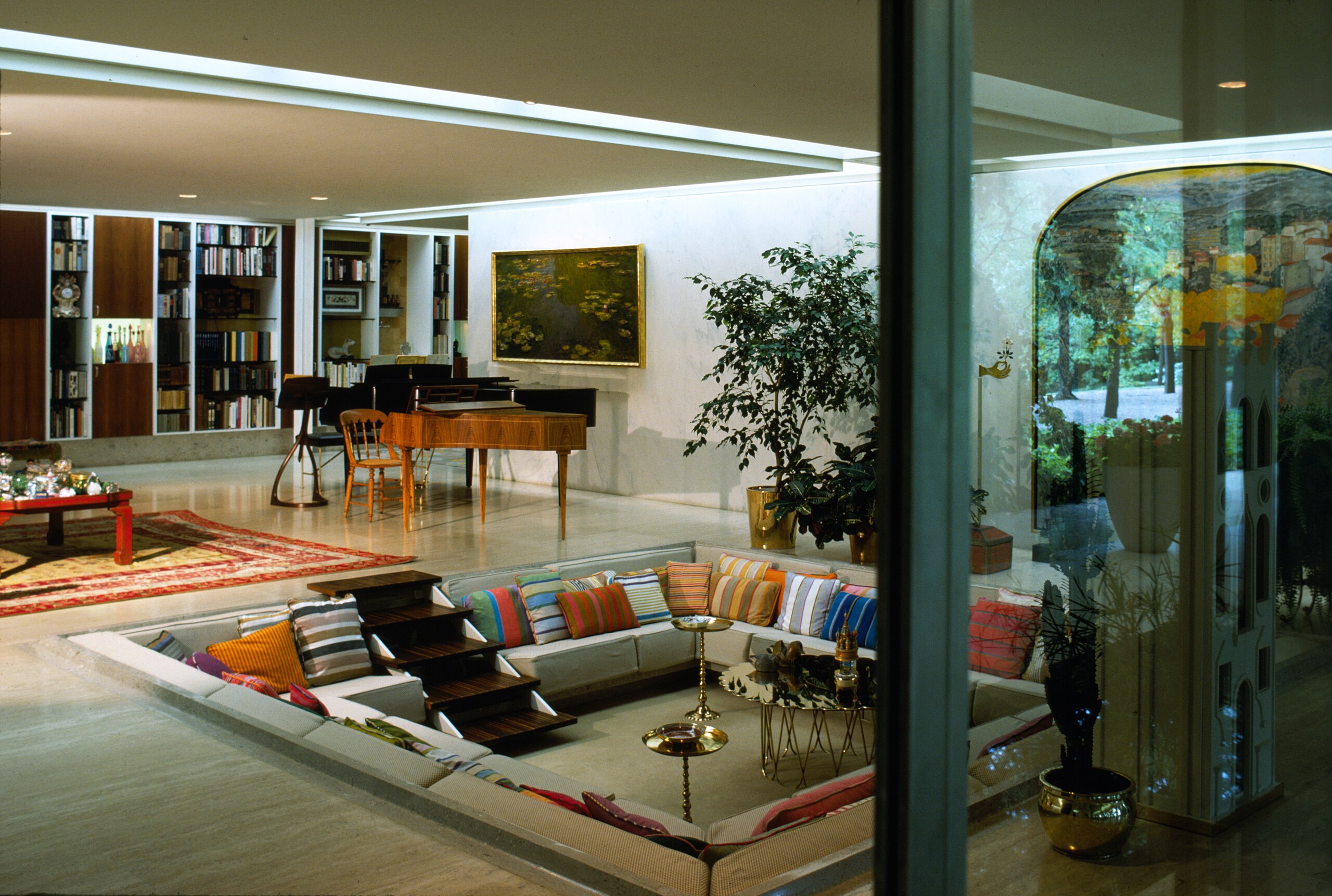
In the upper tier of residential design, nostalgia has become a powerful design currency. You are no longer expected to strip a space back to white walls and invisible hardware to signal taste; instead, the most coveted homes now layer vintage silhouettes and heritage references over contemporary layouts. Designers are leaning into a curated mix of eras, combining old and new pieces so that a room feels collected rather than staged, a shift that aligns with the growing appetite for interiors that tell a story instead of just showcasing square footage.
That approach is visible in the way you are encouraged to blend antiques, mid-century icons, and custom contemporary pieces into a single, cohesive scheme, a strategy that mirrors the guidance around combining old and new to give retro details a modern twist. At the same time, broader trend reporting notes that Retro styles, particularly those influenced by the 1970s aesthetic, are set to be a major interior design force in 2025, which helps explain why high-end clients are suddenly asking for conversation pits, smoked glass, and sculptural lighting. In this context, retro is not a budget workaround; it is a deliberate luxury choice that signals confidence and cultural memory.
The 70’s Revival: Sunken Lounges, Statement Color, and Circus Energy
The most visible expression of this shift is the full-throttle return of 1970s-inspired rooms. You are seeing architects carve out sunken lounges in new builds and renovations, using them as glamorous entertaining zones that double as visual centerpieces. That layout, once dismissed as dated, is now being reimagined with plush upholstery, integrated lighting, and bespoke joinery, echoing the way Courtney and Grant spotlight the Sunken lounge as one of several retro trends roaring back into relevance. The same 1970s spirit is driving a broader “70’s revival” that trend forecasters say will keep building, with the figure 70 used as shorthand for the decade’s enduring influence on everything from wall paneling to pattern.
Color is following suit, with luxury homes abandoning safe neutrals in favor of unapologetically saturated schemes. Designers are calling out Bold Colors as the number one retro design trend reshaping high-end kitchens and living rooms, replacing all-white spaces with emerald cabinetry, marigold upholstery, and even purple living areas that feel more like boutique hotels than private residences. That appetite for drama is also feeding into a predicted rise in Circus-inspired home décor, which Pinterest expects to grow as boomers and millennials search for bold stripes, playful motifs, and sculptural lighting that inject “Think” big-top energy into otherwise polished rooms. In luxury settings, that might translate into a striped silk tented ceiling in a media room or a candy-colored Murano glass chandelier over a marble dining table.
From Art Deco Revival to 80s Maximalism: Layering Eras Like a Pro
While the 1970s provide the mood, the most sophisticated homes are not stopping there; they are layering in earlier and later eras to keep rooms from feeling like theme sets. One of the most influential references is Art Deco Revival Art Deco, the 1920s and 30s style defined by strong geometry, rich materials, and glamorous detailing. In a contemporary penthouse, that might mean fluted stone fireplaces, fan-shaped headboards, and brass inlay on custom cabinetry, all of which sit comfortably alongside mid-century chairs or 1970s-inspired rugs. By borrowing Deco’s discipline and pairing it with looser retro elements, you can create rooms that feel both nostalgic and sharply tailored.
At the other end of the timeline, the 1980s are being reclaimed as a source of exuberant inspiration. Social media is full of designers and stylists leaning into the “more is more” attitude, with one viral clip Replying to Anna Aylward The and celebrating the return of 1980s maximalism in home décor. For a luxury project, that might look like lacquered consoles in jewel tones, oversized graphic art, or a powder room wrapped in high-contrast marble and neon-lit mirrors. When you combine Deco geometry, 70s warmth, and 80s bravado, the result is a layered interior that feels curated over decades, even if it was installed in a single season.
Bathrooms, Surfaces, and the New Retro Material Palette
The retro resurgence is not limited to living rooms and lounges; it is reshaping the most private spaces in your home as well. High-end bathrooms are embracing vintage-inspired tiles, rounded fixtures, and nostalgic color combinations, yet they are being executed with spa-level fittings and contemporary performance. Designers emphasize that this does not mean your bathroom has to look aged or outdated; instead, the goal is an eclectic mix that delivers a retro sentiment and a certain nostalgia while still feeling fresh. Think checkerboard floors in unexpected hues, pedestal sinks with sculptural profiles, and brass fixtures that nod to the past but meet current luxury standards.
Surfaces are evolving in parallel, giving you new ways to channel retro character without sacrificing durability. Manufacturers are rolling out patterned laminates, veined composites, and glossy finishes that echo mid-century kitchens and 1970s cocktail bars, yet they are engineered for modern performance. One set of surface trends promises to redefine the aesthetic landscape with fresh and bright designs that turn countertops and wall panels into creative canvases, which is exactly what you need if you want a 1960s-inspired bar or 70s-style kitchen that still feels cutting edge. By pairing these materials with period-aware lighting and hardware, you can dial the retro influence up or down depending on how bold you want the final effect to be.
How to Use Retro Like a Designer, Not a Time Capsule
For all the enthusiasm around nostalgia, the most successful luxury projects treat retro as a vocabulary, not a script. Instead of copying a single decade wholesale, you are better off choosing a few anchor references and then editing them through a contemporary lens. That might mean taking the curved lines and saturated tones associated with Retro design, which refers to styles that emulate the 1950s, 60s, and 70s and are Characterized by bold colors and dynamic patterns, then pairing them with streamlined contemporary furniture so the room feels intentional rather than costume-like. The key is to let one or two standout pieces carry the strongest historical reference, while the rest of the space supports them quietly.
Color strategy is equally important if you want your home to feel current. Designers point out that the shift away from all-white interiors is not just about novelty; it is about giving rooms the kind of character you might associate with Grandma‘s house, where every wall and object seemed to have a story. You can borrow that spirit without sacrificing sophistication by limiting your palette to a few saturated hues, repeating them across textiles, art, and millwork, and grounding them with natural materials like stone and wood. When you combine that discipline with the era-spanning references now shaping high-end design, the “shocking” trend taking over luxury homes this month starts to look less like a fad and more like a long-term recalibration toward spaces that feel lived-in, expressive, and unmistakably yours.
Supporting sources: Pinterest Reveals the Top Home Design Trends That Will ….
Leave a Reply