Thrift stores rely on clean, safe donations to fund community programs, but not everything in your decluttering pile belongs on their loading dock. Some items are illegal to resell, others are serious health hazards, and a few simply drain staff time without ever reaching the sales floor. Before you drop off another box, learn which things you should never donate so your generosity actually helps instead of creating costly, risky waste.
1) Recalled children’s toys or products
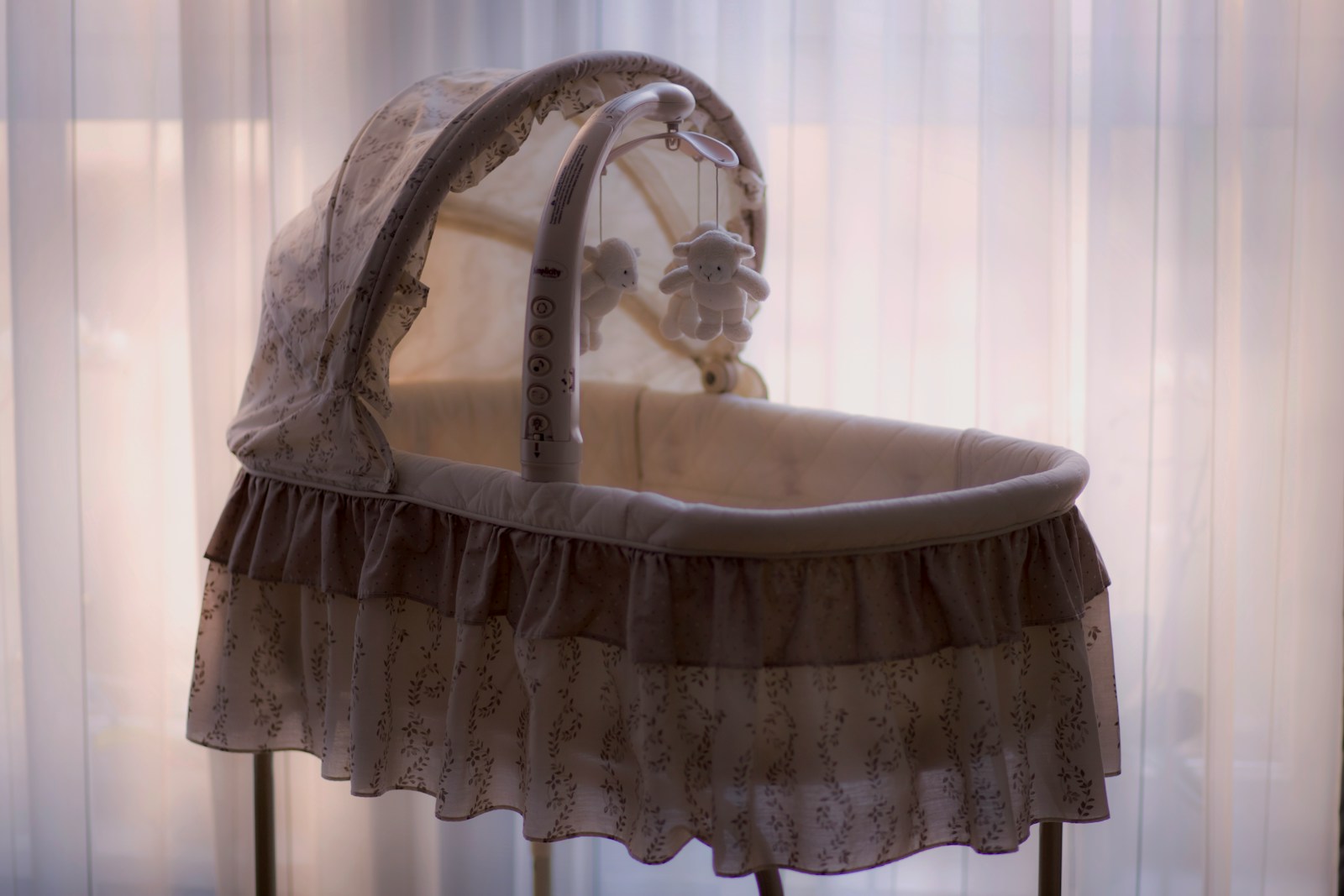
Recalled children’s toys or products should never be dropped at a thrift store, even if they look perfectly fine. Safety recalls exist because a toy, crib, stroller, or other item has been linked to injuries, choking, or other serious hazards, and experts warn that these products may remain dangerous despite appearing intact. Guidance on recalled items stresses that they cannot be resold legally, which means donation centers are not allowed to put them on shelves or pass them along to families in need.
The stakes are especially high for children, who are more vulnerable to design flaws and hidden defects. Legal advocates note that when a child is harmed by a toy, car seat, or other gear, families may pursue product liability claims against manufacturers, as detailed in reporting on unsafe toys and gear. Passing recalled products into the secondhand market keeps those risks alive. Instead of donating, check recall databases, then follow manufacturer or local government instructions for safe disposal.
2) Used car seats
Used car seats are another category that should never land in a thrift store bin. Even if the fabric looks clean and the shell appears solid, safety experts emphasize that car seats can be compromised by crash forces, heat exposure, or simple aging. Advice on donations notes that car seats have expiration dates and that even undamaged models can fail in a collision once they are past that window, which is why donation guidelines flag them as off-limits.
People who work in resale echo this concern. One former employee wrote that at their store, policy was that they could not take donations of ANY child safety or security devices, describing how they hated seeing used car seats appear on the sales floor despite clear rules in place, in a viral post titled “I hate seeing used car seats at thrift stores when I know …” on Reddit. Legal and consumer guidance from Moxie Law Group similarly notes that Thrift stores and donation centers generally refuse expired car seats. If you need to dispose of one, cut the straps, mark it as unusable, and follow local waste rules.
3) Mattresses and bedding
Mattresses and bedding, including box springs, are notorious problem donations. Even when they look clean, secondhand mattresses can harbor dust mites, mold, and lingering odors that are difficult or impossible for thrift staff to remove. Guidance on items you should never recycle explains that mattresses and box springs often contain allergens or pests that facilities cannot properly treat, which is why recycling warnings advise against putting them into standard reuse streams.
Health-focused shopping advice goes further, noting that a second-hand mattress will likely lack support and may hide bed bugs, bacteria, and other contaminants, as highlighted in a list of things never to buy at thrift stores. When you donate a mattress, you risk saddling a low-income shopper with an expensive pest problem and exposing store workers to infestations. Many municipalities now run dedicated mattress recycling programs, so it is better to use those services or arrange bulk pickup instead of dropping these items at a charity shop.
4) Outdated electronics like old computers
Outdated electronics like old computers, tube televisions, and broken printers should not be left at thrift stores, because they are a form of hazardous waste. Guidance on Electronics and Waste explains that Electronics such as computers, phones, and televisions contain hazardous materials like lead, mercury, and cadmium. Environmental agencies add that Electronic products often pose risks if they are landfilled or incinerated, and that Most televisions and video equipment fall into this category, as detailed in federal waste fact sheets.
Because of these Toxic Chemicals and their impact on Landfills, experts on electronics disposal warn that tossing old devices into the trash or donation stream is not responsible. Thrift stores rarely have the capacity to test, repair, and safely recycle outdated gadgets, so they end up paying to haul them away. Instead, look for local e-waste events, manufacturer take-back programs, or municipal drop-off centers that are equipped to handle these materials correctly.
5) Hazardous household chemicals
Hazardous household chemicals, including paints, solvents, pesticides, and certain cleaners, should never be donated. These products often contain flammable or toxic ingredients that create fire and health risks in storage areas. Donation advice notes that items like aerosol cans or pesticides are considered hazardous materials and are illegal to donate, which is why safety lists explicitly exclude them from acceptable drop-offs.
Waste-management experts stress that it may be challenging to stop using cleaning and other products that contain hazardous chemicals, but they urge consumers to Look for safer alternatives and to keep these substances out of regular trash and donation streams, as explained in guidance on household hazardous waste. When you offload half-used paint cans or weed killers at a thrift store, staff must treat them as regulated waste, which diverts money away from community programs. Use city-run hazardous waste collection days instead.
6) Underwear, socks, or swimwear
Underwear, socks, and swimwear fall into a category of intimate apparel that most thrift stores will not accept for hygiene reasons. Even when freshly laundered, these garments sit directly against the body and can retain bodily fluids, odors, or skin cells that are difficult to fully sanitize. Shopping guidance on things not to buy at thrift stores highlights underwear and similar items as high-risk purchases that shoppers should avoid, which is why many stores refuse them at the donation door.
From a public-health perspective, the concern is not just visible stains but also bacteria, fungi, and viruses that can linger in elastic waistbands and padded cups. Swimwear, in particular, is often made of delicate synthetic fabrics that degrade with chlorine and sunscreen, making them harder to clean thoroughly without damage. When you donate these pieces, staff typically have to discard them immediately, so it is more responsible to recycle textiles where possible or dispose of them at home.
7) Used cosmetics or toiletries
Used cosmetics or toiletries, including opened makeup, skincare, and hair products, should never be dropped off at a thrift store. Once a jar of face cream or tube of mascara has been opened, bacteria from your skin and the environment can enter the product, and preservatives break down over time. Guidance on personal care products notes that opened makeup or lotions can spoil and cause health issues if reused, which is why they are on the list of items that should not be donated.
Additional advice on decluttering warns that Used Makeup and Toiletries are particularly risky, because Opened products, Even when lightly used, may harbor germs that lead to eye infections, rashes, or allergic reactions, as explained in a guide to items you should never try to donate. For shoppers, the stakes include serious skin and eye problems, especially when formulas are expired. If you have gently used products, consider offering them to close friends who understand the risks, or dispose of them according to local guidelines.
8) Perishable food items
Perishable food items, such as fresh produce, dairy, meat, and leftovers, should not be donated to thrift stores or general donation centers. These facilities are typically not licensed or equipped to handle food storage, temperature control, or foodborne illness prevention. Donation policies explained in item restriction guides note that food and other perishables spoil quickly and attract rodents and insects, which can violate health codes and force stores to spend money on pest control.
Even shelf-stable items can be problematic if they are past their expiration dates, dented, or missing labels, since staff cannot verify safety or ingredients for people with allergies. Many communities instead direct surplus food to specialized food banks, soup kitchens, or mutual-aid fridges that follow strict handling rules. When you have extra groceries, check with those organizations first, and reserve thrift donations for nonperishable household goods that do not require refrigeration or inspection.
9) Large appliances like refrigerators
Large appliances like refrigerators, freezers, and air conditioners should not be left at thrift stores, because they require professional recycling. These units often contain refrigerants such as Freon that must be removed by certified technicians to avoid releasing harmful gases into the atmosphere. Guidance on non-recyclable items explains that appliances with refrigerants need specialized handling, not standard donation or curbside recycling.
Beyond environmental concerns, heavy appliances are difficult for thrift staff to move, test, and repair, and older models may be energy hogs that saddle low-income buyers with high utility bills. Some municipalities and utility companies offer rebate programs or scheduled pickups for old refrigerators and air conditioners, ensuring that metals and components are recovered safely. Before you upgrade your kitchen, contact local waste authorities or appliance retailers about haul-away options instead of assuming a charity shop can take the unit.
10) Items in poor condition
Items in poor condition, such as stained clothing, torn linens, broken furniture, and chipped dishes, are among the most common problem donations. While it can be tempting to “donate, not dump,” thrift staff report that they cannot use half the things they receive, and that unsellable items are quickly tossed, as described in a closer look at How thrift stores handle unusable donations. Sorting and discarding these goods costs money that could otherwise support community services.
Shopping experts warn that damaged or heavily worn pieces also deter customers, making stores feel cluttered and low quality, which ultimately reduces sales and donations. Advice on items you cannot donate notes that Used medical gear, for example, is a complicated mix of bodily-fluid risk, expiration dates, and strict FDA regulations under the Federal Food, Drug, and Cosmetic framework, illustrating how condition and compliance both matter. Before donating, ask yourself whether you would proudly give the item to a friend; if not, recycle or dispose of it responsibly instead of shifting the burden to a charity.
Leave a Reply