Donation bins are meant to channel useful, safe items to people who need them, not to absorb everything you are tired of storing. When you declutter, especially in high-stress spaces like your bedroom, it is crucial to separate what can be reused from what creates work, risk, or waste for charities. Use this guide to keep your generosity helpful by spotting 12 things that simply do not belong in a donation bin.
1) Underwear and Intimate Apparel
Underwear and intimate apparel might feel like clutter you are eager to clear out, but most donation centers cannot accept them because of hygiene rules. These garments sit closest to your skin, so they can harbor bacteria, yeast, and bodily fluids even after washing. When you toss them into a donation bin, staff have to handle and discard them, which adds to their workload and disposal costs. In a bedroom that already contributes to stress through clutter, keeping worn intimates out of donation bags is a simple way to protect both your space and public health.
Instead of donating, you have two realistic options. If items are in excellent, unworn condition with tags attached, call a local charity to confirm whether they have a specific program that can use them. Otherwise, cut old underwear and bras into cleaning rags or place them in textile recycling streams that explicitly accept worn fabric. Treating intimate apparel as a recycling or trash issue, not a donation opportunity, keeps bins focused on clothing that can be safely resold or distributed.
2) Broken or Damaged Clothing
Broken or damaged clothing, from jeans with blown-out knees to jackets with broken zippers, does not belong in a donation bin. When you bag up garments that are ripped, stained, or missing essential parts, you are effectively passing the disposal problem to the charity. Staff and volunteers must sort through every piece, identify what is unsellable, and then pay to send it to landfill or textile recycling. That wasted effort diverts time and money away from programs that actually help people, all because items were too worn to be reused in the first place.
Clothing clutter in your bedroom can quietly raise your stress level, as experts on bedroom clutter and stress point out, but the solution is not to offload unwearable pieces into donation bins. If a garment is in good shape but simply does not fit or suit you, it is a great candidate for donation. If it is torn, heavily pilled, or permanently stained, treat it as fabric waste. Many municipalities and retailers run textile recycling programs that turn worn-out clothes into insulation or industrial rags, which is far more responsible than sending them through a charity’s sorting line.
3) Hazardous Household Chemicals
Hazardous household chemicals, including leftover paint, solvents, pesticides, and strong cleaners, should never be dropped into a donation bin. These products are regulated because they can leak, off-gas, or react with other materials, creating health and fire risks. When containers are tossed into a bin, they can spill onto clothing and furniture, exposing staff and other donors to fumes or skin irritation. Many charities operate out of small warehouses or storefronts that are not equipped with ventilation or safety gear for handling chemical hazards.
From a clutter perspective, it is tempting to clear these bottles out of your bedroom closet or under-bed storage and send them away with everything else. However, hazardous materials require specialized disposal through local household hazardous waste programs or designated collection events. Some communities also accept certain products, like latex paint, at recycling centers. Taking the time to route chemicals correctly protects donation workers, keeps bins from becoming contamination sites, and prevents dangerous substances from seeping into the environment.
4) Perishable Food Items
Perishable food items, such as fresh produce, dairy, leftovers, or anything that requires refrigeration, are completely out of place in a donation bin. These bins are often outdoors or in unmonitored lobbies, where temperature control is impossible. Perishables spoil quickly, attracting insects and rodents and creating odors that can ruin nearby donations. Once food breaks down, it can leak onto clothing, books, and household goods, forcing charities to discard entire batches of otherwise usable items.
Even nonperishable food has to be handled carefully, and most organizations that accept it have separate collection systems with strict guidelines on packaging and expiration dates. If you want to share surplus groceries, contact a local food pantry or community fridge that can manage safe distribution. For anything that is already expired or opened, your only responsible option is disposal. Treat your bedroom or kitchen decluttering as a chance to check dates and clear shelves, but keep food out of general donation bins so you do not unintentionally create a health violation.
5) Medications and Medical Supplies
Medications and medical supplies, including prescription pills, over-the-counter drugs, syringes, and lancets, should never be placed in a donation bin. Unused or expired medications can be dangerous if they fall into the wrong hands, and they are subject to strict regulations that charities are not licensed to manage. Loose pills in a bag of clothing can spill, crumble, or be mistaken for something else, putting staff, volunteers, and even children at risk. Sharps like needles and lancets pose an obvious puncture and infection hazard during sorting.
When you are decluttering a nightstand or dresser, it is common to uncover old pill bottles or diabetes supplies that have quietly accumulated. Instead of tossing them with donations, look for pharmacy take-back programs or law enforcement drop boxes that are designed to handle controlled substances safely. Many areas also host periodic drug take-back events. For sharps, use an approved sharps container and follow local disposal rules. Keeping medical items out of donation bins protects everyone involved and ensures sensitive materials are destroyed or processed correctly.
6) Personal Financial Documents
Personal financial documents, such as bank statements, tax returns, pay stubs, and credit card offers, are another category that must stay far away from donation bins. These papers contain sensitive information like account numbers, Social Security numbers, and addresses that can be exploited for identity theft. When you drop them into a bin, you lose control over who might access them during sorting, transport, or even unauthorized rummaging. Charities are not set up to provide secure document destruction, so they cannot guarantee your data will remain confidential.
Decluttering paperwork from your bedroom or home office can significantly reduce mental load, but the safest route is to shred anything that includes personal or financial details before recycling. Cross-cut shredders make it much harder for anyone to reconstruct documents. Some communities and banks also host shredding events where you can bring boxes of old files for secure disposal. Treat financial paperwork as a security issue, not a donation opportunity, so your effort to simplify does not accidentally expose you to fraud or long-term financial headaches.
7) Mattresses and Large Bedding
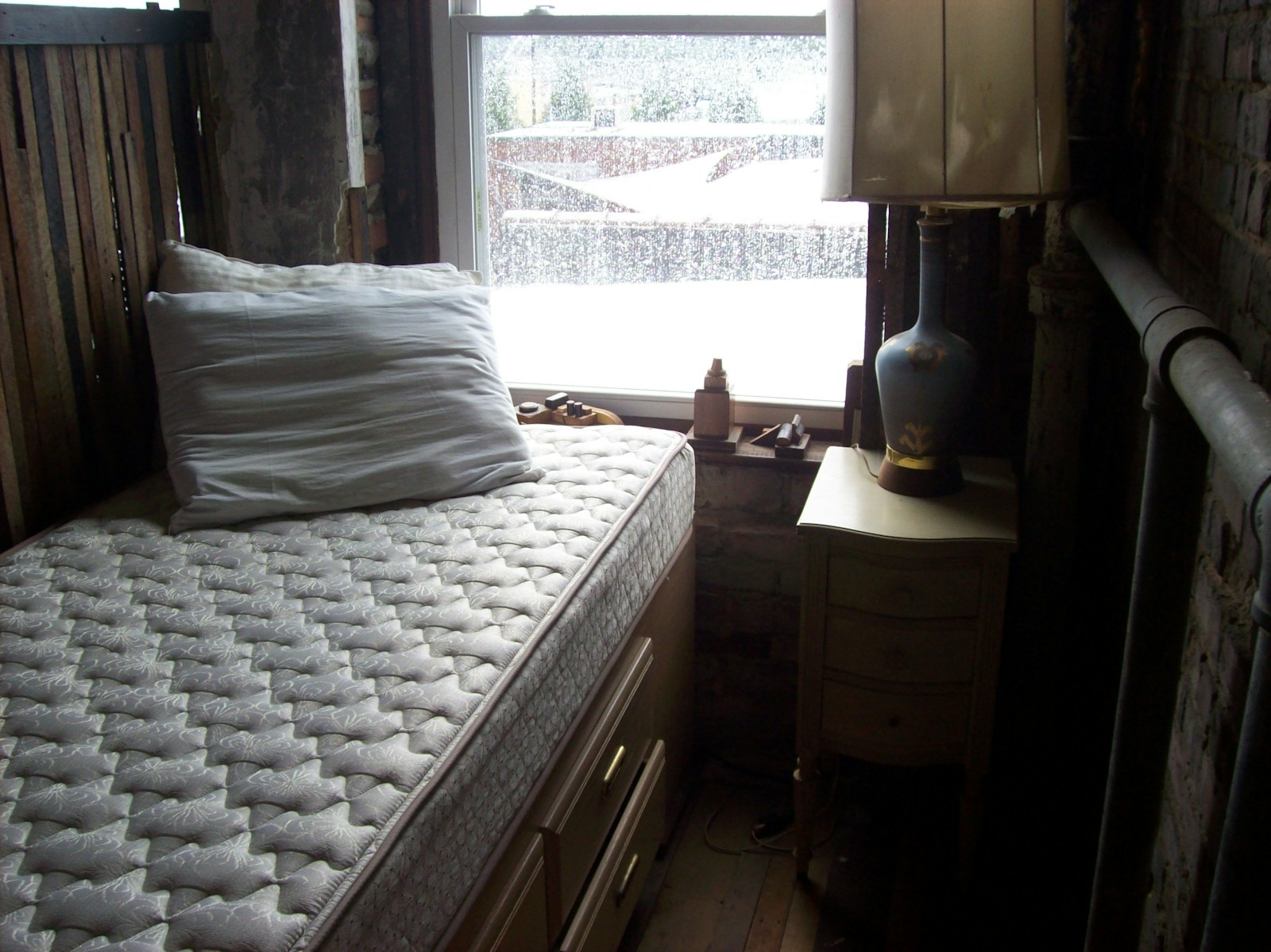
Mattresses and large bedding, including box springs, bulky comforters, and heavily used pillows, are rarely appropriate for donation bins. These items are difficult to inspect thoroughly and can harbor bedbugs, dust mites, mold, and allergens that are nearly impossible to remove. Once an infested mattress enters a donation stream, it can contaminate trucks, warehouses, and other inventory, forcing charities to spend money on pest control and disposal. Many organizations have explicit policies against accepting mattresses for exactly these reasons.
Even when a mattress looks clean, stains and odors can make it unsellable, and the cost of transporting and storing such large pieces often outweighs any potential resale value. If your mattress is still in excellent condition, contact specialized nonprofits that arrange pickups and have clear guidelines, rather than leaving it in a bin. Otherwise, check with your municipality about bulk trash collection or recycling programs that dismantle mattresses into metal, foam, and fabric components. Keeping these oversized items out of donation bins protects both recipients and the charities trying to serve them.
8) Electronics with Cracked Screens
Electronics with cracked screens, such as shattered smartphones, tablets, and laptops, may feel like they still have some life left, but they usually do not belong in a standard donation bin. Broken glass can cut staff during sorting, and damaged screens often signal deeper internal problems that make devices unreliable or unusable. Charities that resell electronics typically need items that can be tested, wiped, and refurbished with minimal repair costs. When they receive nonfunctional gadgets, they must pay to recycle or dispose of them as e-waste.
Instead of tossing cracked devices into a clothing bin, look for certified e-waste recyclers or manufacturer take-back programs from companies like Apple, Samsung, or Dell. Some retailers, including Best Buy and Staples, run electronics recycling initiatives that accept broken items and ensure components are handled responsibly. If a device is only lightly damaged and still works, contact a tech-focused nonprofit to see whether it meets their criteria. Treating electronics separately from general donations keeps hazardous materials like lithium batteries and heavy metals out of the wrong waste streams.
9) Stuffed Animals in Poor Condition
Stuffed animals in poor condition, with matted fur, missing eyes, or ripped seams, should not be dropped into donation bins. Soft toys absorb dust, pet dander, and sometimes moisture, which can lead to mold or unpleasant odors. When they arrive dirty or damaged, charities cannot safely clean them to the standard required for children’s items, especially if internal stuffing is exposed. Instead of comforting a child, a grimy or torn plush can be unsettling or even trigger allergies and asthma.
Quality matters for donated toys, because they are often given as gifts during holidays or distributed in crisis situations where children need reassurance. If a stuffed animal is gently used, intact, and freshly laundered, it may be welcome at shelters or children’s programs that accept toys. Anything that looks worn out, however, belongs in the trash or textile recycling, not in a bin. Being selective about what you donate ensures that kids receive items that feel special and safe, rather than castoffs that signal second-class treatment.
10) Weapons or Sharp Objects
Weapons or sharp objects, including firearms, ammunition, large knives, and certain tools, are categorically inappropriate for donation bins. These items pose immediate safety risks to anyone who handles them and create serious liability issues for charities. Even seemingly harmless objects like loose box cutters, razor blades, or broken glassware can cause injuries during sorting. Most organizations have strict policies banning weapons and hazardous sharps, and they may need to involve law enforcement if such items are discovered.
If you need to dispose of a firearm or ammunition, contact your local police department for guidance on safe surrender or disposal programs. For kitchen knives and tools, consider giving them directly to someone who can use them, or wrap and label them clearly before placing them in household trash, following local rules. Keeping anything that can cut, puncture, or fire a projectile out of donation bins protects staff, volunteers, and recipients, and it prevents bins from becoming unregulated drop points for dangerous objects.
11) Cash or Valuables Hidden in Pockets
Cash or valuables hidden in pockets, such as jewelry, watches, or gift cards, are not items you should intentionally send through a donation bin. While charities appreciate financial support, bins are not secure channels for money or high-value goods. Bills can fall out, envelopes can tear, and small items can be lost or stolen long before they reach a register or accounting office. When donors later realize they accidentally gave away something important, it can create disputes and mistrust that strain relationships with organizations trying to help.
Before you bag up clothing or handbags, check every pocket, lining, and compartment for forgotten items. If you genuinely want to donate money or valuable jewelry, do it directly through official channels, such as online portals, in-person offices, or documented in-kind donation programs. That way, your contribution is recorded, you may receive a receipt for tax purposes, and the organization can allocate funds where they are most needed. Treat bins as collection points for everyday goods, not as safes or mailboxes for valuables.
12) Automotive Fluids and Batteries
Automotive fluids and batteries, including motor oil, antifreeze, brake fluid, and car or lawn equipment batteries, are among the most hazardous things you could drop into a donation bin. These substances can leak, corrode, and release toxic chemicals that damage other donations and pose environmental risks. Lead-acid batteries, in particular, contain corrosive acid and heavy metals that require specialized handling. Charities are not licensed hazardous waste facilities, so they cannot legally or safely manage these materials.
Responsible disposal usually involves taking automotive fluids to designated recycling centers or service stations that accept used oil and coolant. Many auto parts stores and municipal facilities also collect car batteries for proper processing and material recovery. Small household batteries may have separate drop-off points or mail-in programs. By keeping automotive products out of donation bins and routing them through appropriate recycling or hazardous waste channels, you protect workers, prevent contamination, and ensure that your effort to declutter does not come at the environment’s expense.
Leave a Reply