Before you load up your trunk for a donation drop-off, it helps to know which items most thrift stores simply cannot accept. Safety regulations, hygiene rules, and disposal costs mean some well-intentioned donations are headed straight for the dumpster. Understanding these limits lets you protect shoppers, respect staff time, and find better outlets for belongings that do not belong on thrift store shelves.
1) Car Seats
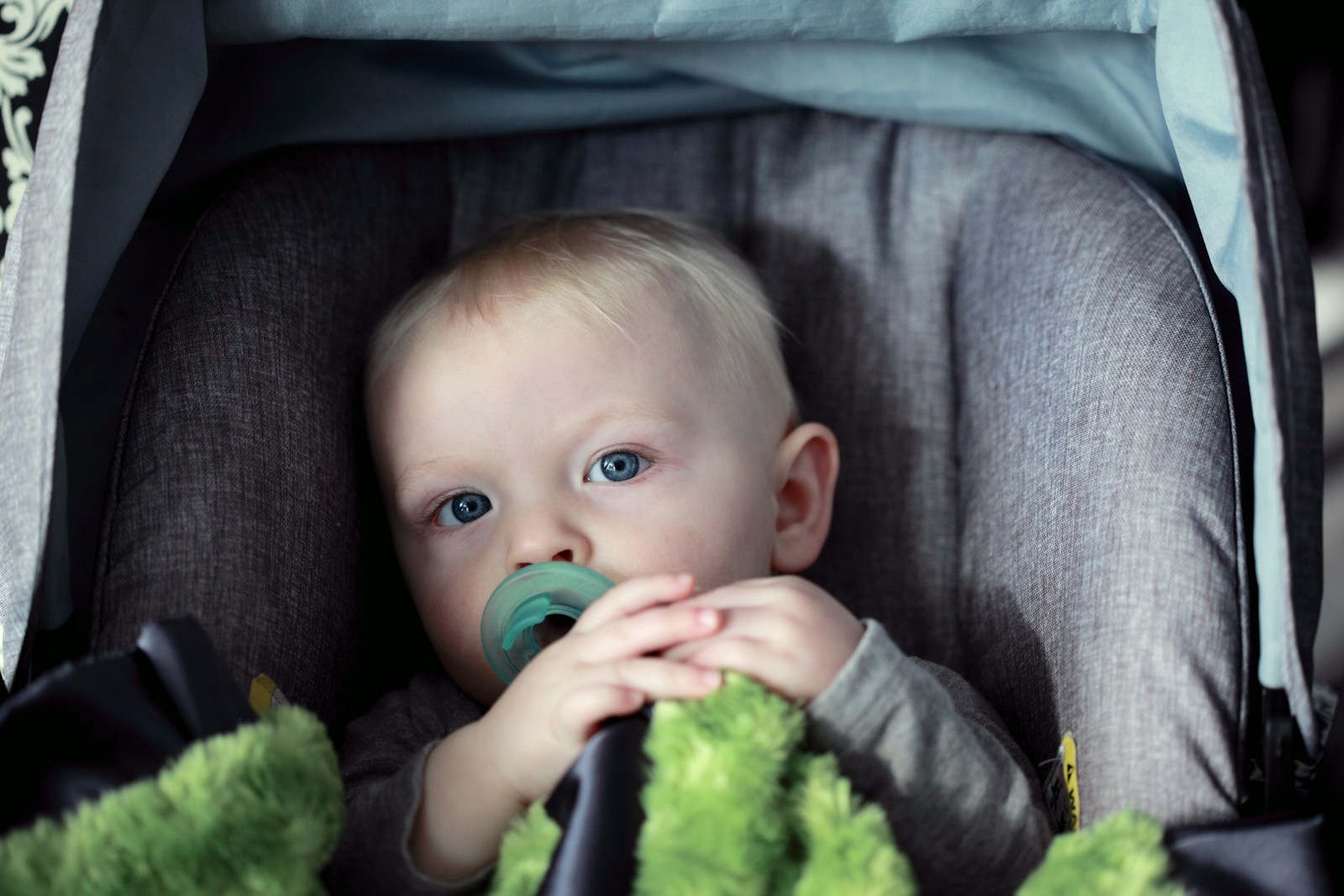
Car seats are among the most commonly rejected donations because stores cannot verify whether they still meet current safety standards or have been involved in a crash. Reporting on items you should never donate notes that child restraints, including car seats and Helmets, are designed for one owner and one crash history, not anonymous resale. A viral explainer on used car seats at thrift stores underscores that most shops refuse them due to liability and the impossibility of checking accident records.
Former employees echo this caution, with one worker writing that they Worked at a thrift store where policy banned donations of ANY child safety or security devices. For you as a donor, the stakes are high: passing along an expired or damaged seat could put another child at risk. Instead of donating, many experts recommend checking manufacturer take-back programs or local recycling options that handle plastic shells and metal hardware safely.
2) Cribs and Playpens
Cribs and playpens, especially older or drop-side models, are another category most thrift stores will not touch. Federal safety rules have effectively banned the resale of drop-side cribs, and guidance on rejected items at thrift stores explains that stores often discard any crib that might fall under these regulations. Staff cannot easily confirm model numbers, recall status, or whether hardware is complete, so the safest choice is to refuse them at the donation door.
For store operators, the liability risk is enormous if a crib fails and a child is injured. Even playpens and portable yards can be problematic when mesh tears, locking mechanisms wear out, or instructions are missing. If you are clearing out nursery gear, check manufacturer recall lists and local family shelters first, since some organizations accept only specific, verified models. Otherwise, you may need to dismantle the crib and recycle wood or metal components through municipal waste programs.
3) Mattresses and Box Springs
Mattresses and box springs are typically on the “do not accept” list because of bedbugs, bodily fluids, and strict state regulations on used bedding. Coverage of donations thrift stores have to toss notes that many shops must pay special disposal fees when mattresses arrive, which turns your donation into a cost burden. Even when laws technically allow resale, stores often lack the equipment to sanitize mattresses to the standards required for public health.
From a shopper’s perspective, a used mattress can hide mold, dust mites, or pests that are nearly impossible to detect at a glance. For donors, that means a well-meaning drop-off may go straight into a dumpster behind the building. Instead, look into mattress recycling programs in your city, or contact bulk-waste services that break down foam, springs, and fabric for reuse. Some municipalities even list approved recyclers alongside guidance on how to wrap and label old bedding for curbside pickup.
4) Recalled Products
Recalled products of any kind, from kitchen gadgets to children’s toys, are items thrift stores cannot legally resell once a recall is in effect. Guidance on donation items thrift stores toss explains that staff are instructed to discard recalled goods immediately to comply with consumer protection rules. Because employees rarely have time to cross-check every model number against recall databases, many stores err on the side of caution and reject entire categories that have a history of safety problems.
For you, the implication is clear: if an item has been recalled, donating it only shifts the disposal problem to someone else. Before you pack a box, search the manufacturer’s website or federal recall lists for your product name and model. If it appears, follow the official instructions, which may include refunds, repair kits, or specific disposal steps. Treating recalls seriously keeps dangerous items out of secondhand circulation and protects the reputation of community thrift shops.
5) Weapons and Ammunition
Weapons and ammunition are almost universally banned from thrift store donation bins because of legal restrictions and safety concerns. Reporting on things you should never donate groups firearms with other Safety gear that requires strict handling rules, noting that secondhand outlets are not equipped to store or transfer them properly. Even non-firearm weapons, such as certain knives or stun devices, can violate local ordinances when sold without background checks or age verification.
For store managers, accepting a gun or box of ammunition could trigger police involvement, insurance problems, or immediate closure of the donation center until the items are removed. If you need to part with a firearm, contact local law enforcement or a licensed dealer about buyback events or legal transfer options. Ammunition and explosives should go through hazardous waste or police channels, never a thrift store drop box, to avoid accidental discharge or theft.
6) Hazardous Household Chemicals
Hazardous household chemicals, including paint, solvents, pesticides, and some cleaners, are another category thrift stores must refuse. Guidance on hazardous donations explains that leaking containers can endanger staff during sorting and contaminate other goods. Many of these products are regulated as household hazardous waste, which means they require special handling and cannot simply be tossed in the regular trash without risking environmental damage.
For donors, the key is to recognize that half-used cans and bottles are a disposal issue, not a resale opportunity. Most counties operate periodic hazardous waste collection days or permanent drop-off sites where trained staff handle chemicals safely. Some paint brands also sponsor take-back programs for latex products. By using those channels instead of thrift stores, you help prevent spills, fumes, and accidental mixing of incompatible substances in crowded back rooms.
7) Large Appliances
Large appliances, such as refrigerators, freezers, and old washing machines, are often turned away because they are expensive to move, store, and dispose of if they do not sell. Coverage of large items thrift stores toss notes that many locations lack loading docks or repair staff, so a broken refrigerator quickly becomes a costly liability. Even working appliances can sit unsold for months, taking up floor space that could display dozens of smaller, faster-moving items.
In some regions, utility companies or municipalities offer appliance recycling or rebate programs that are a better fit. If you live near one of the Portland-area thrift stores highlighted for budget-friendly finds, you will notice they focus on manageable goods like clothing, housewares, and small electronics, not bulky refrigerators. When you schedule a haul-away through a recycler or retailer, you free up thrift store staff to process donations they can actually sell and keep heavy metals and refrigerants out of landfills.
8) Perishable Foods
Perishable foods, including dairy, meat, fresh produce, and leftovers, are never appropriate for thrift store donation. Guidance on items thrift stores are throwing away explains that these products spoil quickly, attract pests, and can cause serious foodborne illness if mishandled. Most thrift stores are not licensed as food service operations, so they lack the refrigeration, temperature logs, and inspection routines required to keep perishables safe.
If you want to share surplus groceries, look instead to food banks, community fridges, or mutual aid groups that are set up to handle short-shelf-life items. Many of these organizations publish clear lists of what they can accept, often focusing on unopened, in-date goods. For anything already opened or prepared, your best option is usually home consumption, composting, or, when necessary, careful disposal, rather than passing the risk to unsuspecting shoppers.
Leave a Reply