A cleaner home starts with getting ruthless about what no longer deserves space in your rooms, drawers, and cabinets. By targeting specific clutter magnets, you clear visual noise and make everyday tasks faster and easier. Use this list as a focused checklist so you can throw away what drags your home down and keep only what truly supports a calm, functional space.
1) Expired Pantry Staples
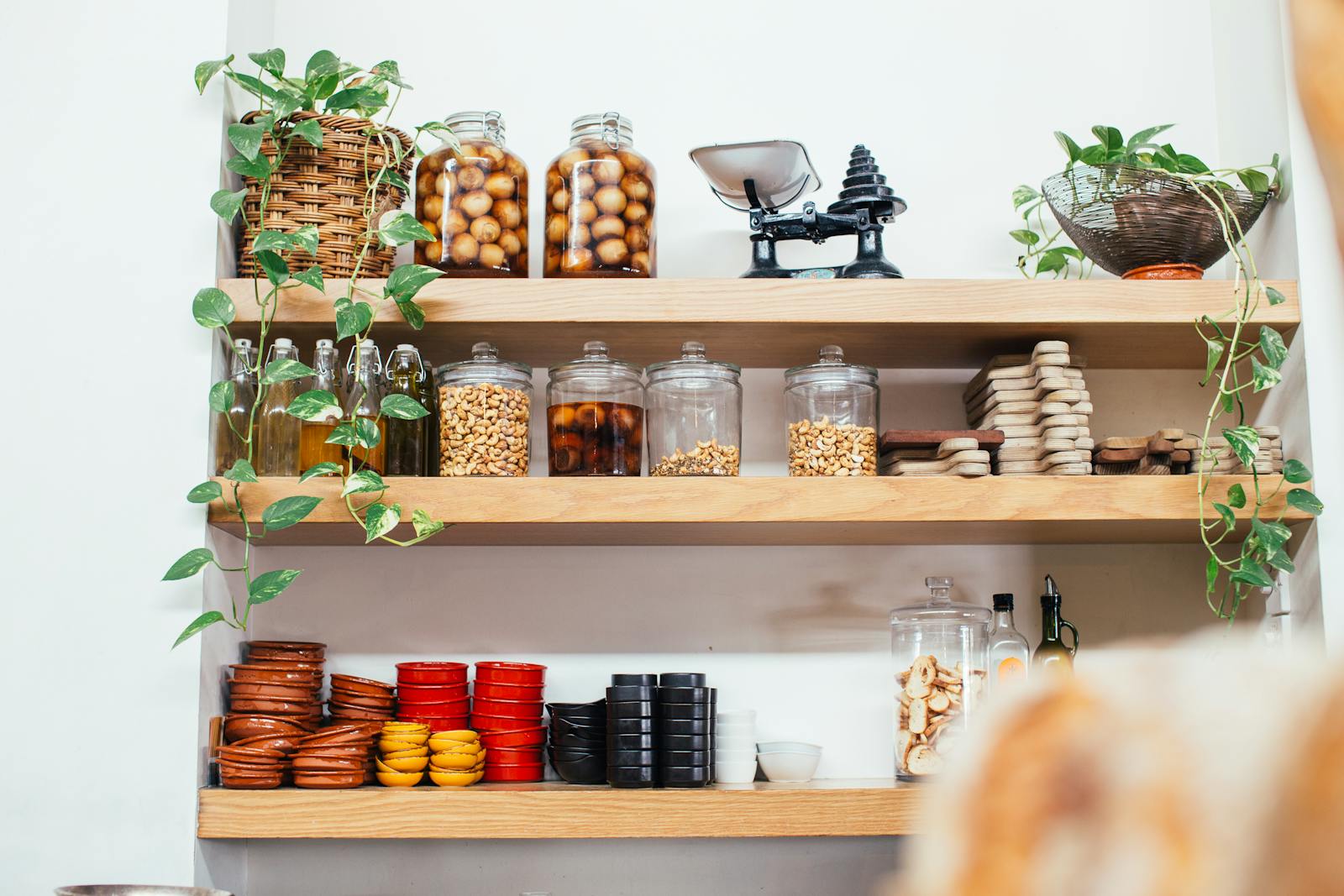
Expired pantry staples are classic space hogs, quietly filling shelves long after they stop being safe or tasty. Guides on space-taking kitchen items consistently flag old dry goods, oils, and canned foods as clutter that blocks access to what you actually use. When flour, rice, or spices age out, they lose flavor and can attract pests, turning your pantry into a hygiene risk instead of a cooking asset.
Clearing these items has immediate payoff: you see what you own, waste less food, and avoid buying duplicates. As you sort, group staples into “still good,” “questionable,” and “expired,” and be strict about tossing anything past its date or with damaged packaging. The result is a pantry that supports quick meal prep instead of hiding forgotten, stale ingredients.
2) Duplicate Measuring Tools
Duplicate measuring tools, from extra cups to multiple sets of spoons, quickly crowd drawers and countertops. Kitchen decluttering advice that targets items taking up space points out that you rarely need more than one or two reliable sets for everyday cooking. When you keep every freebie scoop or mismatched spoon, you end up digging through clutter just to find the size you need.
Streamlining to a single high-quality set, plus one backup if you bake often, keeps your prep area clean and efficient. As you sort, pull out all your measuring tools and compare them side by side, then discard warped, stained, or incomplete sets. With fewer, better tools, you reclaim drawer space and make cooking feel smoother and more intentional.
3) Old Cutting Boards
Old cutting boards are a hidden hygiene problem as well as a storage issue. Multiple kitchen guides, including lists of kitchen things to get rid of, stress that boards with deep knife scars can trap food debris and bacteria. When surfaces are permanently gouged, no amount of scrubbing fully restores them, and they start to smell or discolor.
From a clutter perspective, keeping stacks of warped or damaged boards also eats up cabinet or counter space. Keep one or two sturdy boards in good condition and discard the rest, especially if they are cracked or stained. This simple edit improves food safety, frees storage, and makes your kitchen feel more streamlined every time you cook.
4) Worn-Out Oven Mitts
Worn-out oven mitts and pot holders often linger in drawers long after they stop protecting your hands. Lists of kitchen items to throw away now highlight frayed, thin mitts as both clutter and a safety risk, since heat can seep through worn fabric. When you keep every old mitt “just in case,” you end up with a jumble that makes it harder to grab the one pair that still works.
Inspect your collection and toss anything with holes, burns, or stiff, melted spots. Keeping only one or two thick, intact pairs frees drawer space and reduces the chance you will accidentally grab a useless mitt. That small change keeps your cooking zone safer and visually cleaner every time you open a drawer.
5) Unused Small Appliances
Unused small appliances, such as extra toasters, novelty waffle makers, or single-use gadgets, are some of the biggest counter and cabinet hogs. Lists of things in your kitchen you should throw away now specifically call out appliances you never plug in as prime decluttering targets. When a bulky machine sits idle, it steals space from tools you actually reach for daily.
Ask yourself when you last used each appliance and whether it truly earns its footprint. If it has been a year or more, consider discarding or donating it so your counters can breathe. A clearer work surface not only looks cleaner, it also makes cooking less stressful and opens room for food prep instead of dust-collecting gadgets.
6) Excess Plastic Wrap
Excess plastic wrap, foil, and similar packaging supplies often pile up in cabinets, especially when you buy in bulk or forget what you already have. Kitchen decluttering checklists that focus on space-taking items point out that multiples of the same wrap or foil box quickly turn into clutter. When rolls are half-used or crushed, they become even harder to store neatly.
To reclaim order, pull every box from under-sink and pantry areas, then keep only intact, easy-to-use rolls. Recycle or discard crushed boxes and nearly empty rolls that constantly snag. By limiting yourself to a reasonable number of wraps and foils, you simplify storage, reduce visual chaos, and make it easier to grab what you need while cooking or packing lunches.
7) Faded Recipe Cards
Faded recipe cards and printouts can quietly overrun kitchen drawers and binders. While a few sentimental cards are worth keeping, piles of illegible or outdated recipes function as clutter, not inspiration. Lists of things to throw away right now often group old paper piles together because they block access to the references you actually use.
Sort your stack and keep only recipes you still cook or truly want to try, ideally transferring favorites to a digital file or a single organized binder. Toss duplicates, smudged cards, and recipes you no longer recognize. This edit clears drawer space, reduces paper dust, and makes it easier to find the dishes that genuinely fit your current cooking style.
8) Broken Glassware
Broken or chipped glassware takes up the same shelf space as intact pieces while adding risk every time you reach into the cabinet. Kitchen lists that spotlight items to throw away now consistently include cracked glasses and mugs, since damaged rims can cut lips and hands. Keeping them “for emergencies” only increases the chance someone will grab one by mistake.
Go through your shelves and immediately discard anything with chips, hairline cracks, or rough edges. This quick purge not only frees space for the glasses you actually use, it also makes your cabinets look more orderly. A streamlined set of intact glassware supports safer entertaining and everyday hydration without the visual noise of damaged pieces.
9) Old Sponges and Scrubbers
Old sponges and scrubbers are classic clutter around the sink, and they are also hygiene red flags. Lists of things you should be throwing out specifically call out “Old Sponges” as items that harbor bacteria and should not linger. When you keep a lineup of stained, smelly scrubbers, the sink area looks grimy even after you clean.
Adopt a simple rule: once a sponge smells, crumbles, or has been used on raw meat surfaces, it goes straight into the trash. Limit yourself to one or two fresh scrubbers at a time and store them where they can dry fully. This habit keeps your sink zone visually cleaner, reduces germs, and prevents a pileup of soggy, useless cleaning tools.
10) Duplicate Knives
Duplicate knives, especially dull or rarely used ones, quickly overcrowd blocks and drawers. Guides on kitchen items you need to throw away highlight “Dull Knives” as both inefficient and unnecessary. When every cheap paring knife from past sets sticks around, you waste time sorting through blades instead of reaching for a few sharp, reliable tools.
Lay out all your knives and identify which ones you actually use for daily prep. Keep a core set, then discard or donate extras that duplicate the same size or are too worn to sharpen effectively. A leaner knife collection makes your storage safer, simplifies cooking, and visually declutters your countertop or drawer space.
11) Expired Cleaning Supplies
Expired cleaning supplies hide under sinks and in utility closets, taking up space while doing very little work. Kitchen and home maintenance guides that focus on clutter often point out that old sprays and detergents lose effectiveness over time. When you hold on to every half-empty bottle, you create a chaotic jumble that makes it harder to find the products that still perform.
Check labels for expiration dates or separation, and discard anything that smells off, has changed color, or no longer lists ingredients clearly. Consolidate duplicates into one bottle when safe and label what remains. A curated set of current cleaners not only looks neater, it also supports faster, more efficient cleaning sessions throughout your home.
12) Unused Bakeware
Unused bakeware, from novelty pans to extra cookie sheets, often lives in the back of ovens or deep cabinets, hogging space you could use better. Kitchen decluttering lists that target space-taking items frequently mention specialty pans you never reach for as clutter culprits. When you own multiple muffin tins or themed cake molds you rarely use, they become dead weight.
Pull everything out and ask which pieces you used in the last year. Keep versatile items like a standard sheet pan or loaf pan, and discard or donate duplicates and oddly shaped molds. With fewer pans, your cabinets are easier to organize, your oven storage is safer, and you gain room for tools that truly support your current cooking habits.
13) Hoarded Takeout Containers
Hoarded takeout containers can quickly overflow cabinets and fridge doors, even though you only need a modest stash. Advice on what to keep when decluttering emphasizes saving high-quality, multiuse items while letting go of excess. When you contrast that with flimsy, mismatched takeout tubs, it becomes clear that most of them are non-essential duplicates that only add clutter.
Choose a small number of sturdy, well-fitting containers to keep and recycle the rest. By aligning with guidance on what you should definitely keep, you reserve space for durable storage instead of a jumble of lids and cracked boxes. This shift makes your fridge and cabinets easier to navigate and reduces the avalanche every time you reach for leftovers.
14) Extra Napkin Holders
Extra napkin holders and similar table accessories often accumulate as gifts or impulse buys, then sit unused in drawers. Decluttering advice that distinguishes between essentials and non-essentials makes clear that duplicates of decorative items rarely earn their space. When you keep multiple holders but only use one, the rest simply crowd shelves and sideboards.
Decide which napkin holder best fits your current table style and everyday needs, then discard or donate the extras. This small edit frees drawer or cabinet space for items you actually reach for, such as serving utensils or placemats. Reducing redundant decor also makes it easier to reset the table quickly, supporting a cleaner, more streamlined dining area.
15) Dusty Coffee Mugs
Dusty coffee mugs that never leave the shelf are a classic example of sentimental clutter. When cabinets are packed two rows deep with novelty mugs, you lose easy access to the few you actually use each morning. Decluttering lists that span more than 250 things to throw away often highlight “Excess” kitchenware as a simple way to reclaim space.
Limit yourself to a reasonable number of favorites per person and let go of chipped, stained, or forgotten mugs. The payoff is immediate: cabinets close more easily, shelves are easier to wipe down, and you can grab your go-to mug without shifting a precarious stack. That extra breathing room also supports a calmer start to your day.
16) Unused Spice Racks
Unused spice racks, especially bulky carousel or wall-mounted versions, can dominate valuable space without adding real function. Home organization advice that focuses on making room for enjoyable activities at home notes that outdated organizers often become clutter themselves. When a rack sits empty or holds long-expired jars, it blocks space you could use for cooking or display.
Evaluate whether your current spice storage actually helps you cook or just collects dust. If you now prefer drawer inserts or labeled jars, discard the old rack and consolidate spices into a system you truly use. Clearing that footprint opens room on counters or walls, supporting a more flexible kitchen layout that better fits how you live and cook today.
17) Worn Tablecloths
Worn tablecloths and runners often linger in linen closets long after they stop looking presentable. Decluttering guidance that distinguishes what to keep from what to toss emphasizes holding on to textiles that still enhance your space, not those that are stained or threadbare. When you keep every old cloth “for messy nights,” your shelves fill with fabric you rarely choose.
Sort linens by condition and keep only those without holes, deep stains, or fading that bothers you. Donate or discard the rest, especially if you already have a few reliable everyday options. This edit frees shelf space for essentials like towels and bedding and makes it easier to grab a table covering that actually elevates your meals.
18) Old Bottle Openers
Old bottle openers are classic junk-drawer fillers, often multiplying with every picnic set or promotional freebie. Lists of things to throw away right now encourage grouping small tools and discarding duplicates that serve the same purpose. When you own five openers but only use one, the extras simply make it harder to find batteries, pens, or keys.
Empty your junk drawer and pull out every opener, then keep a single sturdy one in the kitchen and, if needed, one in a bar area. Toss the rest. With fewer tiny tools rattling around, your drawer becomes easier to organize, and you cut down on the visual clutter that makes everyday items harder to locate.
19) Excess Utensil Drawers
Excess utensil drawers, packed with more forks, spoons, and random tools than you could use in a week, are a major source of kitchen clutter. Lists of duplicate utensils to toss highlight that you do not need endless backups of the same item. When every drawer is crammed, it becomes difficult to open, clean, or quickly grab what you need.
Consolidate utensils into a single primary drawer and a small backup section for entertaining, then discard or donate the rest. Focus on keeping complete, matching sets and a few specialty tools you truly use. This approach frees entire drawers for other storage, reduces visual noise, and makes your kitchen feel more intentional and easier to maintain.
20) Frayed Dish Towels
Frayed dish towels that are stained, holey, or permanently damp-looking make your kitchen feel messy even when counters are clean. Extensive lists of 200 things to throw away and similar guides consistently include “Old” and “Unused” linens as easy decluttering wins. When you keep every worn towel, your drawers overflow and it becomes harder to find a fresh, absorbent one.
Sort towels into “guest-ready,” “everyday,” and “rag” categories, then discard anything too far gone even for cleaning rags. Keep a modest number of good-quality towels that dry quickly and look clean. This simple reset frees hanging space, makes your kitchen appear tidier, and ensures you always have a functional towel within reach.
21) Duplicate Colanders
Duplicate colanders and strainers often stack awkwardly in cabinets, taking up more room than their occasional use justifies. Decluttering advice that contrasts essentials with extras makes clear that you only need one or two sizes for most cooking tasks. When you own multiple versions that all do the same job, they become bulky clutter rather than helpful tools.
Choose a sturdy large colander and, if you cook pasta or rinse grains frequently, a smaller mesh strainer, then discard or donate the rest. This edit opens up lower cabinet space for pots, pans, or small appliances you actually use. With fewer pieces to shuffle, you speed up both cooking and cleanup, supporting a cleaner, more efficient kitchen.
22) Unused Mixing Bowls
Unused mixing bowls, especially oversized or oddly shaped ones, can dominate entire shelves. Home guides that list fun things to do at home often assume you have clear surfaces for cooking, baking, and crafting, which cluttered cabinets undermine. When you own stacks of bowls you never reach for, you limit how easily you can pull out the ones you actually need for projects and recipes.
Keep a nested set of versatile bowls in a few sizes and let go of extras that do not stack well or rarely leave the shelf. With fewer, better bowls, you free cabinet space and make it easier to set up for baking, mixing, or even non-kitchen activities that benefit from open, accessible storage.
23) Hoarded Recipe Books
Hoarded recipe books that you rarely open can swallow entire shelves and countertops. Kitchen declutter lists that focus on things taking up space often include outdated cookbooks as prime candidates for removal. When you rely more on digital recipes or a few trusted volumes, the rest become decorative clutter rather than useful references.
Scan your collection and keep only books you cook from regularly or that hold real sentimental value. Donate or recycle the rest, especially generic compilations you never consult. Clearing this paper bulk not only makes your kitchen and living areas feel lighter, it also aligns your shelves with how you actually cook today, leaving room for tools and ingredients you truly use.
Leave a Reply