Your kitchen should work for you, not against you. Yet crowded drawers, grimy tools, and forgotten gadgets quietly undermine safety, hygiene, and storage space. By targeting a few specific culprits, you can reclaim order, reduce health risks, and make room for the essentials you actually use every day.
1) Old Sponges
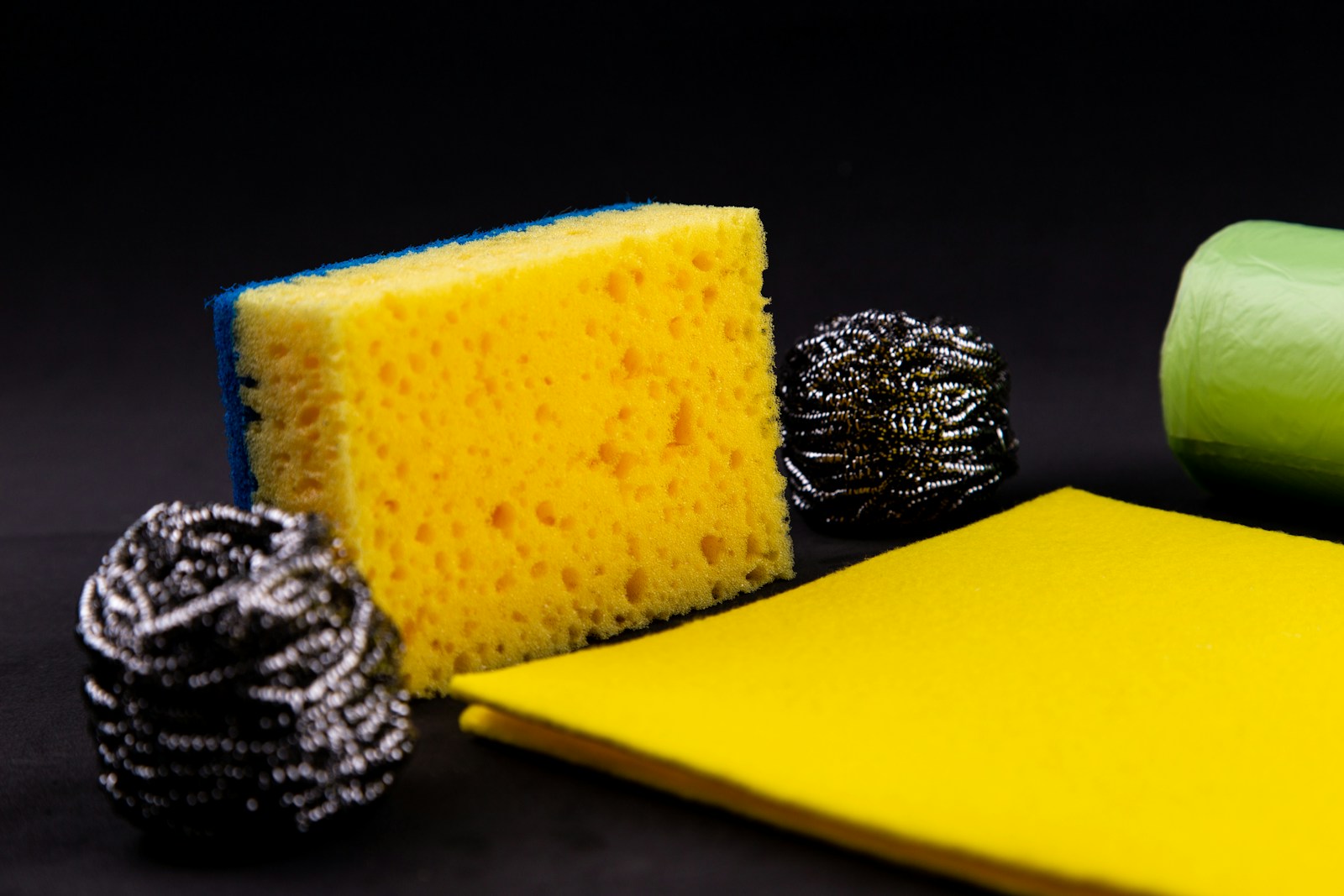
Old sponges are at the top of the list because they are proven breeding grounds for bacteria. Cleaning expert Sokolowski notes that sponges are breeding grounds for bacteria thanks to constant moisture and food particles, which means every swipe can spread microbes instead of removing them. Separate reporting on kitchen clutter also urges you to toss items that pose immediate hygiene risks, a category that clearly includes worn, smelly, or slimy sponges. The stakes are straightforward: keeping a sponge long past its prime can turn routine dishwashing into a cross-contamination problem.
Microbiologist Markus Egert has described how sponges are bacterial heaven, warm, damp, and full of crumbs that microbes feast on. That reality is why some experts recommend replacing them every week or two, rather than waiting until they fall apart. If you prefer reusable cloths, wash them on a hot cycle and dry them fully between uses. Either way, regularly discarding old sponges is one of the fastest ways to make your kitchen cleaner and safer.
2) Duplicate Wooden Spoons
Duplicate wooden spoons quietly clog drawers without adding any real function. Reporting on cluttered kitchens highlights how space-wasting duplicates are prime candidates for the trash or donation bin, and wooden spoons are a classic example. You probably reach for the same two or three favorites while the rest sit buried, making it harder to find tools you actually need. That daily friction is a subtle but constant drag on how efficiently you cook and clean.
From a hygiene standpoint, extra spoons that rarely see use can still absorb odors and stains, especially if they were once used on tomato sauces or curries. Cracked or splintering handles can also trap residue that is difficult to scrub away. Keeping only a small, well-maintained set of wooden spoons simplifies your utensil drawer and makes it easier to spot when one needs replacing, instead of hiding problems behind a pile of rarely used duplicates.
3) Bulky Unused Mandoline Slicers
Bulky unused mandoline slicers are another category of gear that takes up more space than their actual value in your routine. Coverage of kitchen decluttering repeatedly points to large, single-task gadgets that live at the back of cabinets, and mandolines fit that description when you only slice vegetables occasionally. Their sharp blades also pose a safety risk if they are stored loosely or without guards, especially in crowded cupboards where you might reach in blindly.
When a mandoline is rarely used, its parts and attachments tend to scatter, making it harder to reassemble safely and correctly. That increases the chance of misuse or injury when you finally pull it out. If you rely on a chef’s knife for most slicing, letting go of a bulky slicer frees up shelf space for items you truly need within reach, like sturdy cutting boards or everyday pots and pans.
4) Worn-Out Dish Cloths
Worn-out dish cloths undermine the very cleaning they are supposed to provide. Reporting on items you should throw away now stresses that frayed, threadbare textiles can harbor germs and spread them across counters and dishes instead of lifting them away. Once cloths stay damp for long stretches or develop a sour smell, they signal that bacteria have settled in, even if they look harmless at a glance.
Replacing these cloths regularly is a simple way to cut down on cross-contamination in the kitchen. Old fibers lose absorbency, which means you end up pushing dirty water around rather than soaking it up. Retiring stained or hole-riddled cloths, and rotating in fresh ones that can withstand hot washes, keeps your cleaning routine aligned with the goal of a truly sanitary workspace.
5) Extra Can Openers
Extra can openers are a classic example of redundant tools that accumulate without purpose. Decluttering guides focused on kitchen space call out these kinds of duplicates as easy wins, because you only need one reliable opener for daily use. The rest sit tangled in drawers, making it harder to grab what you actually want and forcing you to rummage past metal handles and gears.
There is also a hygiene angle: older, neglected can openers often have dried food residue around the cutting wheel, which can flake into new cans when you use them again. By keeping a single, well-maintained opener and discarding the rest, you reduce clutter and ensure the one you rely on is clean, sharp, and easy to find when you are mid-recipe.
6) Expired Mustard Jars
Expired mustard jars and other long-forgotten condiments are exactly the kind of immediate hazard that food safety experts want you to clear out. Reporting on what to throw away now emphasizes expired pantry staples that can pose health risks, and condiments often slip under the radar because they live in the back of the fridge for months. Once they pass their recommended date or show changes in texture, color, or smell, they no longer belong near your sandwiches or marinades.
Holding on to old jars also wastes valuable refrigerator space that could store fresh produce or leftovers. A periodic sweep of your door shelves, checking labels and discarding anything past its prime, keeps your food storage safer and more efficient. It also helps you see what you truly use, so you buy fewer duplicates and avoid building another row of half-empty, aging condiments.
7) Avocado Pitters
Avocado pitters are the definition of a single-use gadget that rarely earns its footprint. Decluttering advice focused on kitchen efficiency points to specialty tools that gather dust between occasional uses, and this tool is a prime example. A standard chef’s knife can safely halve and pit an avocado with a bit of care, which makes a dedicated pitter unnecessary for most home cooks.
Keeping such gadgets around has a broader impact on how your kitchen functions. Every extra tool in a drawer or on a rack makes it harder to see and reach the essentials you rely on daily. Letting go of avocado pitters and similar niche items streamlines your setup, so your most versatile tools are always front and center when you cook.
8) Chipped Ceramic Plates
Chipped ceramic plates should not linger in your cabinets, no matter how sentimental they are. Reporting on hazardous kitchen items stresses that damaged dishware can cause injury, and a sharp chip on the rim or edge is an obvious cut risk during meals or washing. Even small cracks can worsen with heat and use, potentially leading to sudden breaks while you are carrying hot food.
Beyond safety, chips and cracks create crevices where food particles and bacteria can lodge, making plates harder to clean thoroughly. Retiring damaged pieces and replacing them with intact ones protects your hands and your guests, and it also gives your table a more polished look. In a decluttered kitchen, every plate should be both safe and fully functional.
9) Mismatched Plastic Lids
Mismatched plastic lids are notorious for creating chaos in cabinets and drawers. Coverage of space-wasting kitchen clutter singles out outdated or incomplete storage solutions that hog room without offering real utility, and stray lids fit that description perfectly. Without matching containers, they cannot protect food, yet they still occupy the same valuable shelf space as useful items.
Sorting through your collection and discarding lids that no longer have partners instantly makes your storage area more manageable. It also reveals which containers you actually use, so you can standardize on a few reliable sizes instead of juggling a jumble of shapes. The result is a neater cabinet where you can quickly find a complete set when you need to pack leftovers or meal prep.
10) Rusty Paring Knives
Rusty paring knives belong in the trash, not your knife block. Safety-focused kitchen guidance stresses that damaged cutting tools should be discarded, and rust is a clear sign that a blade is no longer in good condition. Rust spots can weaken the metal, making it more likely to chip, and they also raise concerns about contamination when they come into contact with food.
Dullness often accompanies rust, which means you have to apply more force to cut, increasing the risk of slips and accidental cuts. Instead of hanging on to compromised knives, invest in one or two high-quality paring knives and keep them dry and sharpened. A small, well-maintained set is safer, easier to use, and far more efficient than a drawer full of neglected blades.
11) Countertop Blenders Rarely Used
Countertop blenders that rarely leave their corner are prime candidates for removal. Decluttering reports highlight excess small appliances that sit out full-time but see only occasional action, wasting prime counter space that could be used for food prep. If you only blend a smoothie once every few weeks, that bulky base and pitcher may not justify their permanent footprint.
Storing seldom-used appliances in a cabinet, or letting them go entirely, changes how open and functional your counters feel. It also makes daily cleaning easier, since you have fewer cords and bases to wipe around. Evaluating how often you truly use a blender, and whether a smaller immersion model could replace it, helps align your kitchen layout with your real cooking habits.
12) Stained Kitchen Towels
Stained kitchen towels are more than just an eyesore, they can be a hygiene problem. Guidance on what to throw away now points to old textiles that harbor bacteria, and towels that never quite smell fresh even after washing are a clear warning sign. Persistent stains from raw meat juices, oils, or sauces suggest that residue has penetrated the fibers, making it harder to sanitize them fully.
Continuing to use these towels for drying dishes or hands risks transferring microbes back onto clean surfaces. Retiring heavily stained or chronically damp towels and replacing them with a modest rotation of fresh ones improves both cleanliness and appearance. It also encourages you to launder them frequently, instead of stretching their use far beyond what is sanitary.
13) Cracked Glass Bowls
Cracked glass bowls should not stay in your rotation, even if the damage seems minor. Decluttering advice that targets unsafe items notes that cracked serving pieces can shatter under stress, especially when exposed to temperature changes. Pouring hot liquids into a bowl with a hairline fracture, or moving it from fridge to oven, can cause it to break suddenly and dangerously.
Cracks also trap food and moisture, making thorough cleaning difficult and potentially allowing bacteria to linger. Replacing compromised bowls with intact ones protects you from cuts and keeps your food prep safer. A streamlined set of sturdy, uncracked bowls is easier to stack, store, and trust during everyday cooking and entertaining.
14) Multiple Sets of Forks
Multiple sets of forks often exceed what any household realistically needs. Lists of essential household items focus on having a functional baseline of flatware, not overflowing drawers of near-duplicates. When you own far more forks than you use between dishwashing cycles, the extras simply crowd organizers and make it harder to keep everything tidy.
Excess flatware also encourages cluttered habits, since it becomes easier to grab a new fork than to wash a used one promptly. Paring down to a reasonable number that matches your household size and entertaining style frees up drawer space for other essentials. It also makes it simpler to spot when pieces go missing or need replacing, instead of hiding the problem behind a surplus.
15) Warped Non-Stick Pans
Warped non-stick pans compromise both cooking performance and safety. Reports on space-hogging cookware call out pieces that no longer function properly, and a pan that rocks on the burner or heats unevenly fits that bill. Warping can cause hot spots that burn food in some areas while leaving other parts undercooked, undermining your recipes and wasting ingredients.
Non-stick coatings on older, warped pans may also be scratched or degraded, which raises concerns about flakes mixing into food and about the pan’s ability to release ingredients cleanly. Replacing these with a smaller set of flat, intact pans improves your results and reduces frustration at the stove. It also prevents you from storing a stack of cookware you instinctively avoid using.
16) Outdated Recipe Cards
Outdated recipe cards and pamphlets quietly pile up in drawers and on shelves, even when you no longer cook from them. Guidance on what to eliminate from your kitchen now includes faded or irrelevant reference materials that no longer match how you actually eat. If you have shifted to digital recipes or newer cookbooks, stacks of old cards simply become clutter that hides the resources you still value.
Sorting through these papers and discarding those you have not used in years creates breathing room in your storage areas. It also helps you rediscover a few meaningful recipes worth preserving in a more accessible format. By curating rather than hoarding, you keep your kitchen aligned with your current cooking style instead of weighed down by past habits.
17) Incomplete Food Storage Bags
Incomplete food storage bags, such as boxes with only a few mismatched sizes left, are another subtle source of clutter. Decluttering coverage that targets inefficient storage solutions notes that partial sets often linger unused, because they are the wrong size or shape for your typical leftovers. Keeping them around crowds shelves and drawers without offering reliable options when you actually need to pack food.
Consolidating your stash and discarding odd, flimsy, or nearly empty boxes makes it easier to see what you have and what you truly use. It can also nudge you toward more consistent portioning, since you will rely on a smaller range of bag sizes that fit your usual meals. The result is a tidier pantry and less frustration when you reach for storage at the end of cooking.
18) Frayed Oven Mitts
Frayed oven mitts are a direct safety concern that should not be ignored. Advice on items to throw away now highlights worn protective gear that no longer performs its basic function, and mitts with thinning fabric or holes clearly fall into that category. When insulation breaks down, heat can penetrate quickly, increasing the risk of burns when you handle hot pans or baking sheets.
Visible scorch marks, loose seams, or stiff, cracked surfaces are all signs that your mitts are past their prime. Replacing them with a sturdy pair that fully covers your hands and wrists is a small investment with big safety returns. It also encourages you to handle hot cookware confidently, instead of improvising with folded towels that can slip or catch fire.
19) Extra Dry Measuring Cups
Extra dry measuring cups often multiply in drawers after years of baking projects and gift sets. Decluttering guidance that targets redundant tools points to measuring gear as a common culprit, since you really only need one or two complete sets. The rest tangle together, making it harder to grab the size you want quickly and adding unnecessary noise to your utensil drawer.
Keeping only a primary set, plus perhaps a backup for frequent bakers, simplifies your workflow and storage. It also makes it easier to notice if a cup goes missing or cracks, instead of losing track in a pile of duplicates. By trimming down, you maintain accuracy in recipes without sacrificing space or sanity every time you reach for a quarter cup.
20) Surplus Ladles Beyond Core Needs
Surplus ladles beyond your core needs are another subtle drain on drawer and crock space. Lists of core household essentials emphasize having a functional baseline of utensils, not multiple versions of the same tool that rarely see use. In most kitchens, one sturdy ladle for soups and stews, plus perhaps a smaller one for sauces, is plenty.
When you own several similar ladles, they crowd utensil holders and make it harder to spot other tools like tongs or spatulas. Evaluating which ones you actually reach for and letting go of the rest creates a more streamlined, efficient setup. It also reduces the temptation to keep buying new utensils simply because you cannot see what you already have.
21) Bent Wire Whisks
Bent wire whisks lose their effectiveness and should be retired. Safety and functionality guidance on kitchen tools to discard points to bent or damaged straining and mixing devices that no longer perform as designed. When the loops of a whisk are distorted, they cannot incorporate air or blend ingredients evenly, which affects everything from scrambled eggs to cake batter.
Damaged wires can also scratch non-stick surfaces more easily, since they may protrude at odd angles. Replacing a bent whisk with a well-shaped one restores the smooth, efficient motion you need for emulsifying dressings or whipping cream. It is a small change that improves both your results and the lifespan of your cookware.
22) Unused Pie Tins
Unused pie tins often stack up in cabinets after holiday baking sprees, then sit untouched for the rest of the year. Decluttering reports that focus on seasonal items highlight these rarely used pans as space hogs, especially when you default to store-bought desserts most of the time. Keeping a tower of tins you never reach for makes it harder to access everyday baking sheets and roasting pans.
Taking stock of how often you actually bake pies can guide what to keep. If you only make one or two a year, a single reliable tin is enough, and the rest can be donated or recycled if appropriate. That simple edit frees up shelf space and keeps your baking gear aligned with your real habits, not your aspirational ones.
23) Faded Aprons with Stains
Faded aprons with set-in stains may feel familiar, but they are no longer practical for daily use. Guidance on what to throw away now includes stained or frayed clothing items used in the kitchen, since they can harbor lingering odors and residues. Once fabric is deeply discolored by grease or sauces, it becomes harder to clean thoroughly, and the apron stops projecting a sense of cleanliness.
Retiring these worn pieces and replacing them with one or two sturdy, washable aprons improves both hygiene and morale while you cook. A fresh apron encourages you to suit up before messy tasks, protecting your clothes and giving you a small psychological cue that it is time to focus. It is a modest upgrade that supports a more organized, intentional kitchen routine.
24) Multiple Plastic Colanders
Multiple plastic colanders are another example of redundant tools that eat up cabinet space. Decluttering advice that targets overlapping gear notes that you usually need just one or two colanders in different sizes to handle pasta, produce, and canned goods. Extra versions, especially older ones with discolored plastic or awkward shapes, simply crowd shelves and make stacking pots and bowls more difficult.
Some older plastic colanders may also have rough edges or cracks that trap food particles, complicating cleaning. By keeping a compact, sturdy colander that fits your sink well and discarding the rest, you streamline both storage and daily prep. It also reduces the temptation to grab a random, less-clean option when you are in a rush.
25) Degraded Rubber Spatulas
Degraded rubber spatulas, with peeling edges or sticky surfaces, should be among the first utensils you toss. Lists of kitchen items to throw away now emphasize getting rid of tools that no longer function safely, and a spatula that is losing its shape or coating clearly qualifies. Frayed edges can leave tiny fragments in food, while stiff, cracked heads struggle to scrape bowls clean.
Prioritizing a small set of heat-resistant, intact spatulas supports both food safety and cooking efficiency. It also aligns your utensil drawer with the broader push to keep only reliable essentials, rather than a jumble of half-usable tools. When every spatula you reach for works properly, you waste less batter, protect your cookware, and keep your kitchen closer to the streamlined, clutter-free space you want.
Leave a Reply