Your bathroom should be a place where you actually get cleaner, not a hidden source of germs, clutter, and expired products. Experts say that hanging on to worn-out tools and outdated formulas can quietly undermine your health, from oral hygiene to sun protection. If you want a safer, more functional space, start by targeting these 12 bathroom items you need to throw away immediately.
1) Old Toothbrushes
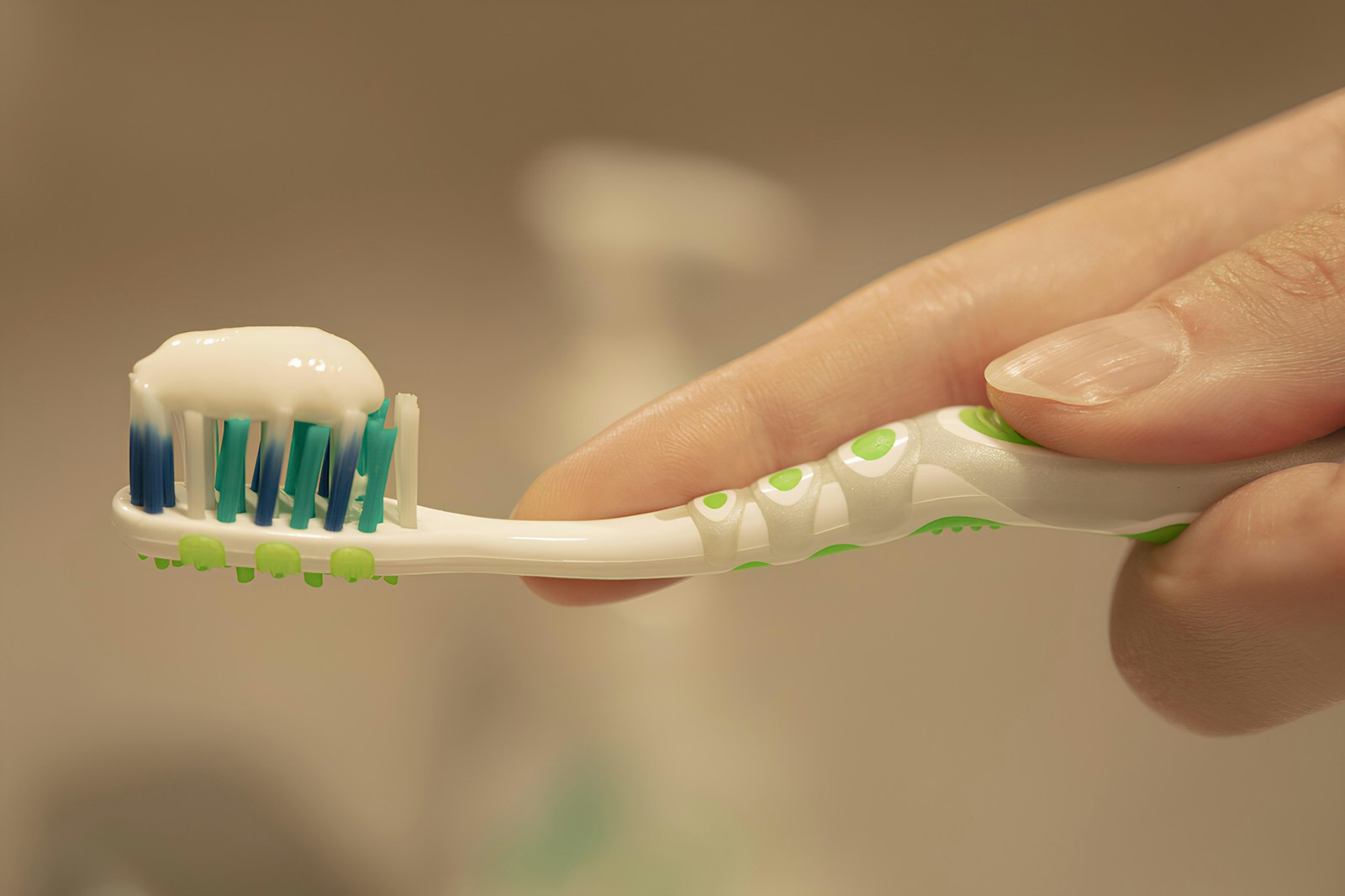
Old toothbrushes are one of the most overlooked hygiene risks in your bathroom. Experts advise tossing a brush after about three months, because the bristles wear down and the head accumulates bacteria with every use, especially when it sits in a damp cup near the sink. Reporting on old toothbrushes notes that this buildup can undermine your oral health, even if you are brushing twice a day as recommended.
Keeping a brush past that three‑month mark can mean less plaque removal, more irritation along the gumline, and a higher chance of spreading germs during cold and flu season. For families, that risk multiplies when several brushes are stored together and touch. Marking a calendar reminder or replacing brushes at the start of each new season keeps the habit simple and protects the investment you make in dental checkups and cleanings.
2) Loofahs and Sponges
Loofahs and sponges feel like spa essentials, but they are prime real estate for bacteria and mold. Constant humidity, trapped soap, and dead skin cells turn those mesh poufs and natural loofahs into breeding grounds in a matter of days. Organizing pros who focus on bathroom clutter warn that these items should be replaced every few weeks to prevent the kind of buildup that can lead to breakouts or even skin infections, especially if you shave in the shower.
Guidance on loofahs and sponges underscores that, although they are designed to absorb water, the combination of moisture and warmth encourages mold and mildew. If you notice a sour smell, discoloration, or slimy texture, you have already waited too long. Switching to washcloths you launder frequently, or silicone scrubbers that dry quickly, reduces waste and keeps your daily shower from undoing your skincare routine.
3) Expired Medications
Expired medications sitting in your bathroom cabinet are more than clutter, they are a direct safety hazard. Organizing experts who assess household storage repeatedly flag old prescriptions and over‑the‑counter pills as items you must purge, because formulas can degrade and become less effective or potentially harmful once they pass their printed dates. Advice on expired medications stresses that you should never keep outdated pain relievers, antibiotics, or cough syrups “just in case.”
Beyond potency concerns, keeping expired drugs increases the risk that a child, guest, or even you in a rush will grab the wrong bottle and take an unsafe dose. Instead of tossing them in the trash or flushing them, follow local guidance for drug take‑back programs or pharmacy drop boxes. Treating your medicine cabinet like a mini pharmacy, with regular audits and clear labels, helps ensure that what you reach for during a headache or allergic reaction will actually work as intended.
4) Dull Razors
Dull razors are another bathroom staple that quietly turns from helpful to harmful. Experts recommend discarding disposable blades after about 5 to 7 shaves, because the edge degrades quickly with water, soap, and friction. Reporting on Dull Razors notes that once the blade loses sharpness, you are more likely to press harder, which raises the risk of nicks, razor burn, and ingrown hairs.
Continuing to shave with a worn cartridge also means you are dragging a tool that may be harboring bacteria across freshly exfoliated skin. That combination can trigger folliculitis or worsen existing irritation, particularly along the bikini line and underarms. To protect your skin barrier, store razors in a dry spot instead of the shower stream, and track usage so you replace them on schedule rather than waiting until they visibly rust or tug.
5) Frayed Towels
Frayed towels might seem harmless, but they signal that the fabric has lost much of its absorbency and structural integrity. Experts who evaluate bathroom textiles point out that worn, thinning loops do a poor job of drying your body, which leaves more moisture on your skin and in the air. Coverage of Worn Washcloths, Towels explains that these damp conditions help germs and mildew thrive in fibers that already trap body oils and product residue.
Once towels reach the stage of fraying edges, permanent stains, or a musty smell even after washing, they belong in the rag pile, not on the towel bar. Continuing to use them can transfer odor and bacteria back onto clean skin and hair, undermining your shower. Rotating a smaller set of high‑quality bath linens, washing them in hot water, and fully drying them between uses keeps your bathroom fresher and reduces the need for frequent replacements.
6) Old Mascara
Old mascara is one of the most time‑sensitive beauty products in your bathroom. Organizing and beauty experts consistently recommend tossing tubes after about three months of use, because every dip of the wand introduces air and microbes into the formula. Guidance on Out, Date Beauty Products notes that dried‑out or expired eye makeup is especially risky, since it sits directly along the lash line and can easily migrate into your eyes.
Using mascara past that window raises the odds of redness, itching, and infections like conjunctivitis, particularly if you share products or apply makeup in a hurry without washing your hands. Clumpy texture, a changed smell, or flaking during the day are all signs that the product has broken down. Treating mascara like a short‑term item, not something to hoard in multiple tubes, protects your vision and keeps your makeup bag streamlined.
7) Clogged Hairbrushes
Clogged hairbrushes are another everyday item that can quietly sabotage your hygiene. Over time, bristles collect shed hair, styling products, scalp oils, and even dead skin cells, turning the brush into a tool that redistributes buildup instead of smoothing it away. Advice on Old and Unused Hairbrushes highlights that once a brush is packed with residue or has broken bristles, it is time to toss it rather than keep fighting tangles.
Continuing to use a dirty brush can leave hair looking greasy right after washing and may irritate a sensitive scalp. It also makes it harder to distribute natural oils evenly, which is key for shine and breakage prevention. You can extend a brush’s life by removing hair after each use and washing it regularly with gentle shampoo, but when the base is discolored or the bristles are warped, replacing it will give your haircare routine a cleaner foundation.
8) Empty Bottles
Empty bottles are classic clutter culprits that steal storage space in even the most organized bathroom. Pro organizers who specialize in small spaces say that leftover shampoo, conditioner, and lotion containers tend to linger on shelves long after they are truly empty, collecting dust and blocking access to products you actually use. Coverage of Below emphasizes that clearing out this dead weight is one of the fastest ways to make a cramped vanity feel functional again.
Holding on to empties also makes it harder to track what you need to restock, which can lead to buying duplicates or running out unexpectedly. Instead, get in the habit of rinsing and recycling bottles as soon as you finish them, and consider decanting bulk products into clearly labeled dispensers. That simple shift keeps your counters visually calm and supports any broader effort to reduce plastic waste in your home.
9) Expired Sunscreen
Expired sunscreen is a quiet but serious risk, because it looks fine in the bottle even after its active ingredients have broken down. Experts on sun safety warn that most formulas lose potency after about one year, especially if they are stored in a hot bathroom or tossed in a beach bag. Reporting on Bathroom Items You Need, Get Rid of ASAP underscores that using out‑of‑date SPF can leave you with far less protection than the label promises.
That gap matters in real‑world terms, because inadequate sunscreen increases your risk of sunburn, premature aging, and long‑term skin damage. Before heading outside, check the expiration date and texture of any lotion or spray; if it smells off, has separated, or is past its printed date, discard it. Storing sunscreen in a cool, dry cabinet and buying sizes you can finish within a season helps ensure that the protection you rely on is actually there.
10) Worn Cleaning Brushes
Worn cleaning brushes and scrub tools can make your bathroom look dirtier even when you are putting in the effort to clean. Over time, bristles flatten, fray, or break off, which dramatically reduces their ability to lift grime from grout, tile, and fixtures. Organizing guidance on Read points out that using tired tools often leads people to overuse harsh chemicals or scrub harder, without ever achieving a truly clean surface.
Continuing to rely on these brushes also spreads whatever bacteria and soap scum are trapped in the bristles from one area to another. If your toilet brush, shower scrubber, or sink brush looks misshapen or discolored, it is time to replace it rather than just hiding it back under the sink. Investing in a small rotation of sturdy, well‑designed tools and letting them dry fully between uses keeps your cleaning routine efficient and your bathroom more sanitary.
11) Outdated Bandages
Outdated bandages and first‑aid supplies are easy to forget until you actually need them, which is exactly when their condition matters most. Adhesive strips, gauze pads, and antiseptic wipes all have expiration dates that reflect how long they can reliably stick, stay sterile, or remain effective. Coverage of What You Should Toss stresses that expired medical items may not perform as intended in an emergency, leaving wounds exposed or inadequately cleaned.
In a bathroom context, that can mean a bandage that peels off in the shower, a cream that has separated, or a wrap that no longer adheres to damp skin. To avoid scrambling with subpar supplies, schedule a yearly check of your medicine cabinet and any backup kits, discarding anything past its date or with damaged packaging. Restocking with fresh bandages and ointments is a small expense that pays off when you are dealing with a cut from a razor or a burn from a curling iron.
12) Duplicate Tweezers
Duplicate tweezers and other extra grooming tools might not seem harmful, but they quietly clog drawers and make daily routines less efficient. Professional organizers who evaluate bathroom storage repeatedly flag duplicates of anything as prime candidates for purging, because they add visual noise without improving function. Advice on Bathroom Items You Need explains that abandoned or redundant tools often sit untouched for years, crowding out the items you actually reach for.
Keeping multiple tweezers, nail clippers, or brow scissors also increases the chance that you will forget which ones are sharp, clean, or reserved for specific tasks. Instead of stuffing every freebie into a cup, choose one or two high‑quality tools and let the rest go. If you are unsure whether something is worth saving, cross‑check with guidance on what organizers say you should never toss, such as the valuables highlighted in Things You Should NEVER Throw Away, and then confidently clear the rest from your bathroom.
Leave a Reply