Nostalgic bedroom styles are cycling back into fashion so quickly that trends you remember from childhood are suddenly shaping high-end design mood boards. From floral wallpaper to lava lamps, you are seeing once-dated looks reimagined with better materials, smarter layouts, and a more grown-up eye. These 11 bedroom styles show how fast retro ideas are returning, and how you can tap into that familiarity without making your space feel stuck in the past.
1) Shag carpets and plush wall-to-wall softness
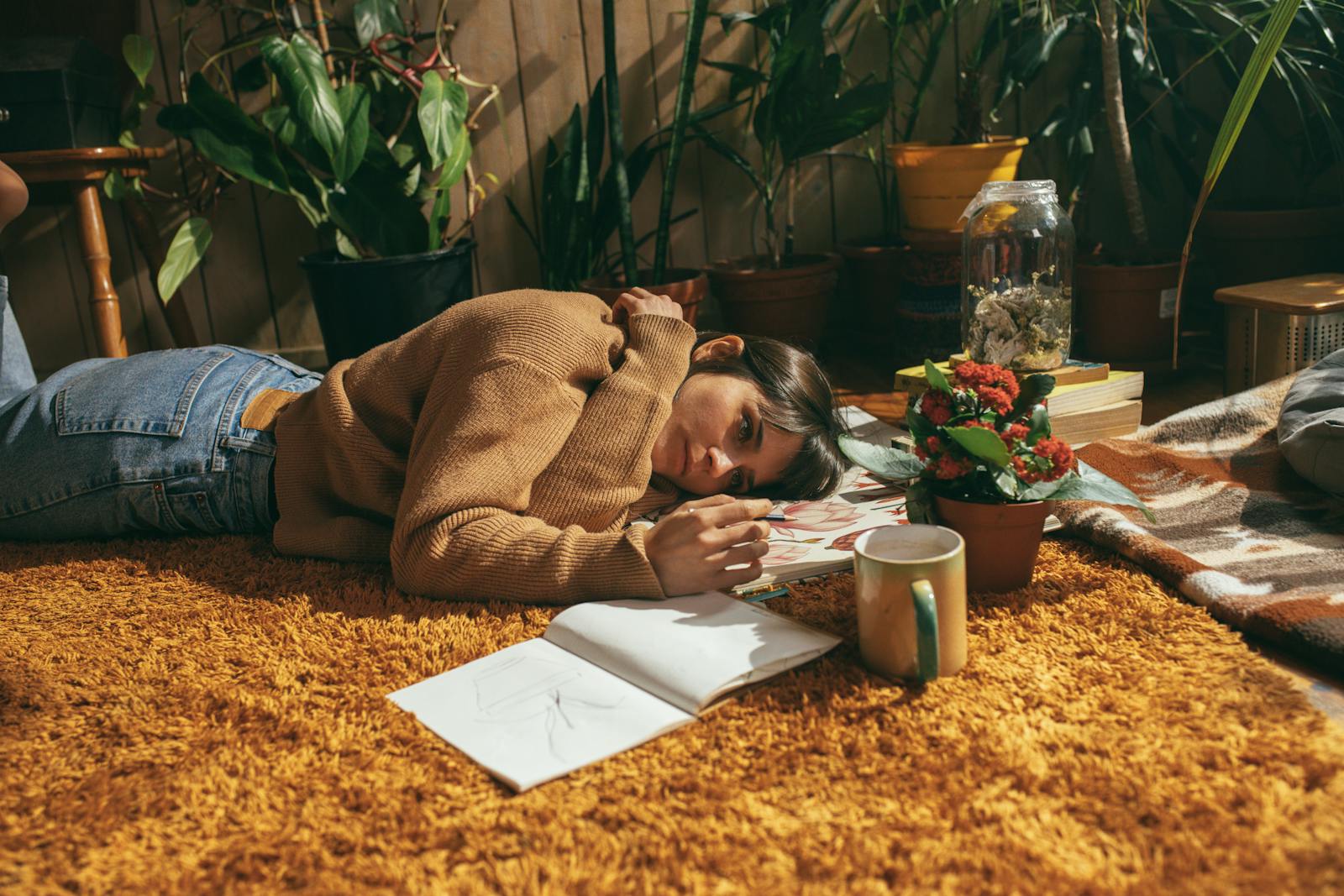
Shag carpets are returning as you look for bedrooms that feel quieter, softer, and more insulated from daily stress. Designers point to the way high-pile rugs absorb sound and add visual warmth, especially in small rooms where hard flooring can feel stark. Instead of the orange and avocado tones of the 1970s, current shag styles lean into muted neutrals, soft blush, and smoky blues that are easier to pair with modern furniture and lighting.
For you, the appeal is tactile as much as visual, since thick pile underfoot makes getting out of bed feel more luxurious. The key is using shag strategically, such as a large area rug that stops short of dressers and doors so cleaning stays manageable. When you balance plush flooring with streamlined nightstands and simple bedding, the look reads as intentional comfort rather than costume-like retro.
2) Wood paneling and midcentury cabin walls
Wood paneling is reappearing in bedrooms as you chase the cozy, cocooned feeling of midcentury cabins and 1970s basements, but with a cleaner finish. Instead of dark, glossy sheets, designers are installing vertical tongue-and-groove boards or narrow slats in pale oak, ash, or pine. This gives you the nostalgic rhythm of paneled walls while keeping the room bright enough for work, reading, or video calls.
You can also use paneling as a partial accent, such as a half-height wainscot behind the bed, to avoid overwhelming a small space. When you pair warm wood with simple white bedding and a limited color palette, the result feels like a boutique hotel rather than a dated den. The broader trend toward biophilic design makes this style especially relevant, since natural wood surfaces help you feel more grounded and relaxed at home.
3) Floral wallpaper and chintz-covered walls
Floral wallpaper is coming back into bedrooms as you embrace “grandmillennial” style, where traditional patterns feel fresh again. Large-scale blooms, trailing vines, and vintage-inspired chintz prints are being used on a single feature wall or wrapped around entire rooms to create a nostalgic envelope. You get the romance of old-fashioned bedrooms, but updated color palettes, like dusty teal or terracotta, keep the look from feeling like a museum.
Peel-and-stick options make it easier for you to experiment without committing to permanent glue or professional installation. That flexibility has lowered the barrier to trying bold patterns in rentals and first apartments. When you echo one or two colors from the wallpaper in your bedding or curtains, the room feels cohesive rather than cluttered, proving that even busy prints can look intentional in a modern context.
4) Brass bed frames and vintage metal silhouettes
Brass bed frames are returning faster than expected as you move away from low, platform silhouettes toward more traditional shapes. Curved headboards, spindled footboards, and four-poster profiles recall Victorian and early 20th-century bedrooms, but updated finishes keep them from looking overly ornate. Soft brushed brass and antiqued gold tones give you warmth without the mirror-like shine that once made metal beds feel flashy.
For you, the benefit is a strong focal point that instantly anchors the room, especially in small spaces where the bed dominates the layout. Metal frames also tend to be visually lighter than bulky upholstered bases, which helps tight bedrooms feel more open. When you pair a brass bed with crisp white sheets and simple side tables, the mix of old and new reads as curated rather than costume-driven.
5) Ruffled bedding and layered cottage romance
Ruffled bedding is making a comeback as you lean into softer, cottage-inspired bedrooms that feel intentionally nostalgic. Skirted bedspreads, pillow shams with flounced edges, and layered quilts recall 1980s and 1990s suburban decor, but in lighter fabrics and more restrained color schemes. You can now find ruffles in washed linen, cotton percale, and organic muslin, which drape more casually than stiff polyester blends of the past.
This style works best when you balance the sweetness of ruffles with cleaner lines elsewhere in the room. A simple metal bed frame, modern reading lamps, and uncluttered nightstands keep the look from tipping into overly frilly territory. For renters and first-time decorators, ruffled bedding offers an easy way to add nostalgia without repainting or investing in new furniture, since textiles alone can shift the entire mood of the space.
6) Lava lamps and retro mood lighting
Lava lamps are reappearing on bedroom nightstands as you search for ambient lighting that feels playful and familiar. The slow-moving wax and saturated colors instantly recall late 1960s and 1970s decor, but current versions often use safer bulbs and more efficient components. You can choose from classic rocket-shaped designs or compact cylinders that fit on crowded desks and shelves.
For you, the appeal lies in the way lava lamps soften the room at night, creating a low, cinematic glow that is ideal for winding down. They also function as nostalgic decor objects during the day, especially when grouped with vinyl records, retro posters, or vintage alarm clocks. Used alongside dimmable LED strips or smart bulbs, a single lava lamp can become the nostalgic accent that keeps your lighting scheme from feeling purely utilitarian.
7) Canopy beds and draped four-poster frames
Canopy beds are returning as you prioritize bedrooms that feel like private retreats rather than multipurpose work zones. Tall posts and overhead frames recall historic four-poster designs, but modern versions often use slim metal or simple wood, which keeps the silhouette light. You can leave the frame bare for a sculptural look or add sheer panels that filter light and create a sense of enclosure.
In small apartments, a canopy bed can visually define the sleeping area when your bedroom doubles as an office or living space. For you, that separation can make it easier to mentally switch off at night, even when your desk is only a few feet away. When paired with neutral bedding and minimal accessories, a canopy bed reads as a deliberate architectural feature rather than an oversized relic.
8) Beanbag chairs and low-slung lounge corners
Beanbag chairs are back in bedrooms as you carve out informal lounge zones for reading, gaming, and scrolling. The original vinyl and foam versions from the 1970s and 1990s have evolved into structured designs with memory foam fill and durable covers, so you get the same relaxed posture with better support. Oversized beanbags can double as guest seating or even a spare sleeping spot for casual overnight stays.
For you, the low height of beanbags helps keep sightlines open, which is useful in small rooms where tall chairs would feel bulky. They also encourage you to use corners that might otherwise sit empty, turning dead space into a functional nook. When you pair a beanbag with a small side table and focused task lamp, the setup becomes a nostalgic yet practical alternative to a traditional armchair.
9) Mirrored closet doors and reflective surfaces
Mirrored closet doors are returning as you look for ways to make compact bedrooms feel larger without structural changes. Sliding panels with full-length mirrors recall 1980s and 1990s suburban homes, but current frames are slimmer and finishes range from matte black to warm brass. The reflective surface effectively doubles the visual depth of the room, which is especially helpful in narrow layouts.
For you, the built-in mirror also replaces the need for a separate standing or wall-mounted option, freeing up floor and wall space. When you keep surrounding decor simple, the mirrors bounce natural and artificial light around the room, reducing the need for extra fixtures. The nostalgic association with older homes becomes an advantage, signaling practicality and everyday usability rather than purely decorative design.
10) Waterbeds and soft-sided hybrid mattresses
Waterbeds are quietly resurfacing in updated forms as you experiment with alternative mattress technologies. While the classic hard-sided frames of the 1970s and 1980s have mostly disappeared, soft-sided hybrids use water-filled bladders inside padded shells that resemble conventional beds. You can adjust the water level to fine-tune firmness, which appeals if you struggle to get comfortable on standard foam or spring mattresses.
For you, the gentle motion of a waterbed can feel soothing, especially when paired with modern temperature controls and better safety liners. The nostalgic reputation of waterbeds as novelty items is giving way to a more health-focused narrative around pressure relief and customization. If you like the idea but not the full commitment, mattress toppers and heated pads inspired by waterbed comfort let you sample the feel without replacing your entire setup.
11) Neon signs and 1980s-inspired wall art
Neon signs are lighting up bedroom walls again as you embrace 1980s-inspired graphics and color. Flexible LED tubing now mimics traditional glass neon, so you can hang phrases, symbols, or custom shapes without the fragility or heat of older fixtures. The saturated glow instantly recalls arcades and music videos, giving your bedroom a nostalgic edge that photographs well for social media.
For you, a single neon piece can function as both artwork and night lighting, especially when you choose dimmable or color-changing options. Placed above a headboard or desk, it becomes a focal point that sets the tone for the rest of the decor. When you balance neon with neutral bedding and simple furniture, the result feels like a deliberate nod to retro culture rather than a full theme room.
Leave a Reply