Some vintage decor that once felt like thrift-store filler has suddenly become serious money, reshaping how you hunt, style, and even insure your home finds. As collectors, resellers, and design-obsessed homeowners chase the same nostalgic pieces, prices on certain categories have spiked almost overnight, turning yesterday’s clutter into today’s investment-grade decor.
1) Mid-century teak credenzas that jumped from thrift staple to four-figure trophy
Mid-century teak credenzas have shifted from overlooked storage to high-ticket anchors in living and dining rooms. As demand for clean-lined Scandinavian and American modern pieces surged, documented examples by designers like Arne Vodder and Finn Juhl began selling for several thousand dollars on specialist marketplaces. Even unbranded teak sideboards that once sat unsold in charity shops are now routinely priced in the high hundreds, especially if they retain original hardware and finish.
For you as a buyer, that means the long, low cabinet your grandparents bought for a modest sum can now rival the cost of a new sofa. The spike reflects a broader shift toward investment decor, where condition, provenance, and designer attribution directly influence resale value. It also pushes many first-time decorators toward lesser-known makers or veneer versions, since solid teak examples have effectively moved into collector territory.
2) Murano glass lamps that leapt from dusty curios to auction darlings
Murano glass lamps, once dismissed as fussy relics, have become some of the most aggressively chased vintage lighting on the market. Hand-blown pieces attributed to houses like Barovier & Toso or Venini now command four-figure prices on major auction platforms, especially in rare colors or sculptural forms. Even unsigned swirl-glass table lamps that previously languished in antique malls are being relisted online at several times their old asking prices.
This rapid appreciation is driven by a mix of Instagram visibility and renewed interest in artisan glassmaking. For decorators, the stakes are clear: a lamp you once might have treated as a quirky accent is now a fragile asset that needs careful shipping, insurance, and documentation. At the same time, the boom has encouraged reproductions, so you must scrutinize wiring, labels, and construction details before paying premium prices.
3) Vintage Persian rugs that went from hand-me-downs to investment textiles
Hand-knotted Persian rugs have undergone a dramatic revaluation as buyers rediscover the craftsmanship behind traditional weaving. Large room-size carpets from regions such as Tabriz, Kashan, and Heriz, which older relatives often treated as everyday floor coverings, now sell for several thousand dollars through specialist rug dealers. Even smaller runners and scatter rugs with strong geometric patterns have seen prices climb sharply as designers favor them over mass-produced alternatives.
For you, that means the worn rug rolled up in a family attic may be worth a professional appraisal rather than a casual donation. The surge reflects a broader shift away from disposable decor toward pieces that can be cleaned, repaired, and passed down. It also raises the bar for condition and authenticity, since synthetic reproductions and machine-made lookalikes do not share the same market trajectory or long-term value.
4) Space Age plastic chairs that rocketed from kitsch to collectible design
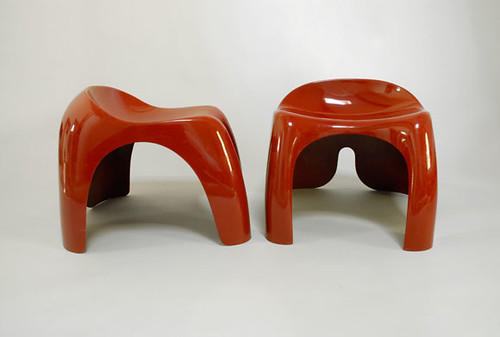
Space Age plastic chairs, including molded fiberglass and ABS designs from the 1960s and 1970s, have transformed from retro oddities into coveted collectibles. Iconic silhouettes like the Panton chair and tulip-style pedestal seats now appear in curated design museum collections, which has helped push original production examples into the high hundreds or low thousands per chair. Even lesser-known stackable models in bright oranges and avocado greens have seen resale prices spike as buyers chase that futuristic look.
This shift matters if you are furnishing on a budget, because what once felt like playful, inexpensive seating now competes with high-end contemporary pieces. The appreciation also highlights how materials once considered disposable, such as early plastics, are being reinterpreted as historic design milestones. As a result, condition, original manufacturer marks, and color rarity all play a growing role in what you will pay for a single chair.
5) Hollywood Regency brass coffee tables that flipped from gaudy to glamorous
Hollywood Regency brass coffee tables, with their gleaming frames and smoked-glass tops, have staged a dramatic comeback. Designs featuring faux bamboo legs, Greek key motifs, or ram’s head details now trade for several times their former prices on curated vintage marketplaces. Pieces that once gathered dust in consignment stores are being snapped up by stylists who prize their reflective surfaces and bold silhouettes for photo-ready living rooms.
For you, the rapid price climb means that what used to be an impulse buy now requires careful comparison shopping and attention to plating quality. The trend also signals a broader embrace of maximalist decor, where shiny metals and statement shapes are seen as assets rather than excess. As more buyers compete for the same limited pool of vintage brass, even lightly pitted or scratched tables are being reframed as “patinated” and priced accordingly.
6) Studio pottery vases that rose from flea-market filler to gallery-grade art
Studio pottery vases, especially hand-thrown pieces from mid-century and 1970s makers, have surged from casual collectibles to serious art objects. Works signed by noted ceramists such as Lucie Rie or Hans Coper now achieve five- and six-figure results at specialist auctions, pulling lesser-known contemporaries upward in their wake. Even anonymous stoneware vessels with distinctive glazes or sculptural forms are being reappraised and repriced by dealers who once treated them as low-margin stock.
For home decorators, that means the chunky vase you use for branches may carry far more value than its humble origins suggest. The boom underscores a growing respect for handmade objects and the labor behind them, shifting attention away from mass-produced ceramics. It also encourages you to look closely at signatures, kiln marks, and glaze techniques, since those details can dramatically change both the price you pay and the insurance value you assign.
7) Rattan and bamboo seating that climbed from porch furniture to design essential
Rattan and bamboo seating, long associated with sunrooms and casual porches, has rapidly become a design-world favorite. Vintage peacock chairs, bent rattan lounge sets, and bamboo-framed armchairs now appear in high-end interiors and command premium prices on curated furniture platforms. Pieces that once sold for modest sums at estate sales are being repositioned as sustainable, artisanal alternatives to new upholstered seating.
The price spike reflects a broader interest in natural materials and biophilic design, which prioritize texture and organic shapes. For you, that means competition for quality vintage frames has intensified, especially for sets with intact caning and original cushions. It also raises practical questions about restoration costs, since re-caning and structural repairs can be expensive but may still make sense given the higher resale values now attached to well-made rattan and bamboo.
8) Colored Pyrex mixing bowls that shifted from everyday kitchenware to cult collectibles
Colored Pyrex mixing bowls, once stacked in kitchen cabinets as everyday workhorses, have become fiercely collected vintage decor. Complete nesting sets in patterns like Gooseberry, Butterprint, and Friendship now sell for several hundred dollars on dedicated collector sites, especially when colors remain bright and surfaces free of dishwasher wear. Even single Cinderella bowls in rare hues are being bid up by fans who style them on open shelving as nostalgic focal points.
For you, the transformation of utilitarian glassware into display-worthy decor changes how you treat inherited kitchen pieces. The surge illustrates how social media communities can rapidly revalue once-ordinary objects, turning pattern names and production years into key price drivers. It also encourages more careful handling and storage, since chips, fading, and incompatible cleaning methods can now erase significant collectible value in a single mishap.
9) Vintage typewriters that moved from office castoffs to sculptural desk centerpieces
Vintage typewriters, including classic models from brands like Olivetti, Smith-Corona, and Royal, have evolved from obsolete office equipment into sculptural decor. Iconic designs such as the Olivetti Lettera 32 and the Hermes 3000 now attract strong interest on online auction platforms, with fully functioning examples in good cosmetic condition often selling for several hundred dollars. Even non-working machines are being purchased as statement pieces for shelves and writing desks.
For you, this shift means that a dusty typewriter in a closet may be worth servicing rather than discarding. The appeal blends nostalgia with a desire for tactile, analog experiences in increasingly digital homes. It also highlights how form and color, from mint-green casings to sleek industrial grays, influence value just as much as mechanical performance, especially when the machine is destined to be admired more than used.
10) Art Deco bar carts that surged from forgotten utility to party-showpiece luxury
Art Deco bar carts, with their chrome frames, mirrored shelves, and stepped silhouettes, have seen a sharp rise in demand. Original 1920s and 1930s examples featuring geometric details and Bakelite accents now command premium prices on specialist auction sites, often outpacing newer reproductions. Even mid-century bar trolleys with Deco-inspired lines are being marketed as “cocktail stations” and priced accordingly as home entertaining regains popularity.
For you, the bar cart has shifted from a purely functional serving piece to a focal point that signals taste and lifestyle. The appreciation reflects a broader fascination with the glamour of early twentieth-century design, where metal, glass, and symmetry combine in compact formats. It also means that condition issues like rust, missing wheels, or cracked glass now factor heavily into negotiations, since restoration can be costly but may still be justified by the elevated resale potential.
11) Vintage neon signs that jumped from roadside relics to interior statement art
Vintage neon signs, once abandoned when businesses rebranded or closed, have become highly sought-after interior statement pieces. Original storefront and motel signs featuring hand-bent glass tubing now sell for thousands of dollars through specialized neon dealers, especially when they retain distinctive typography or regional logos. Smaller window signs advertising products or services are also being repurposed as wall-mounted art in living rooms, bars, and studios.
For you, the newfound value of neon changes how you view old commercial signage, shifting it from scrap to collectible design. The surge underscores a desire to preserve local history and graphic heritage at a time when many signs are being replaced by LEDs. It also introduces practical concerns around safe installation, transformer maintenance, and energy use, all of which you must weigh against the visual impact and cultural cachet of owning authentic vintage neon.
12) Postmodern Memphis-style decor that raced from polarizing to prized
Postmodern Memphis-style decor, once criticized for its clashing colors and playful forms, has rapidly become a prized niche in vintage collecting. Original pieces inspired by the Memphis Group aesthetic, featuring bold laminates, squiggle patterns, and exaggerated geometry, now appear in high-profile design sales with price tags far above their original retail. Even lesser-known 1980s and 1990s items that echo the look, from side tables to wall clocks, are being reclassified as “Memphis-inspired” and repriced upward.
For you, this reversal shows how quickly design opinion can swing, turning once-maligned objects into coveted conversation starters. The boom highlights a broader appetite for expressive, postmodern interiors that reject minimalism in favor of humor and color. It also means that identifying authentic period pieces, rather than recent imitations, is crucial if you want your investment in this suddenly expensive decor to hold its value over time.
Leave a Reply