Silver dimes have not been struck for circulation in decades, yet they still slip into your change, ride along in bank rolls, and hide in forgotten jars. When you know which dates and designs to watch for, everyday pocket change can quietly turn into a small stash of precious metal. The 12 silver dimes below are the ones you are most likely to encounter today, along with the key details that explain why they still show up and why collectors and bullion buyers pay attention to them.
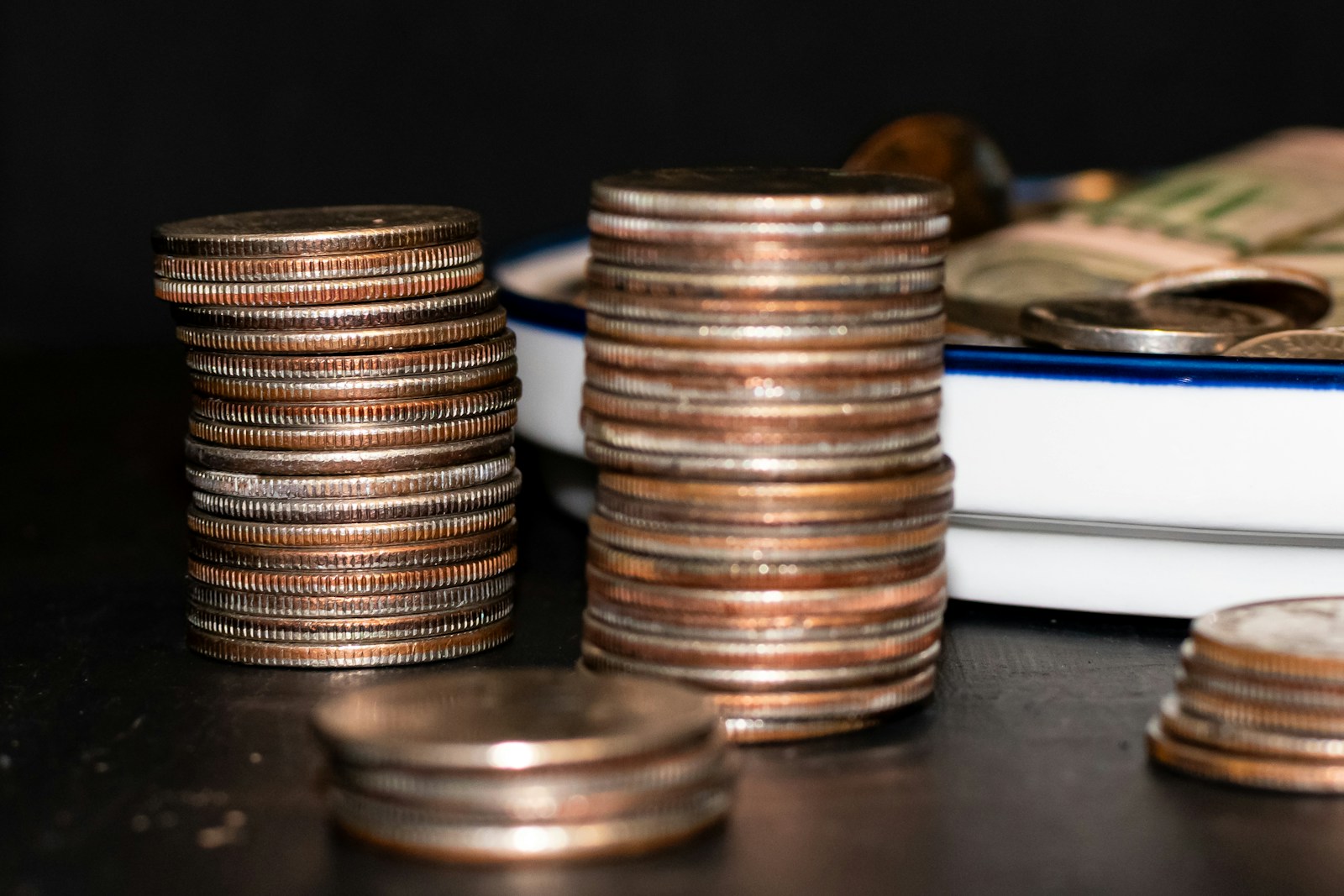
1) 1964 Roosevelt dime, the last regular silver issue
The 1964 Roosevelt dime is the final regular-issue United States ten-cent piece struck in 90 percent silver for circulation, which is why it still appears in change more often than earlier designs. The United States Mint produced hundreds of millions of these coins before switching to a copper‑nickel clad composition in 1965, so large numbers remained in circulation and in bank storage. When you find a 1964 dime in your change, you are holding a small piece of the pre‑1965 silver standard that many savers quietly pulled from circulation.
Because the 1964 issue was so heavily produced, most circulated examples trade close to their silver melt value rather than for numismatic premiums. That makes them a practical entry point if you are building a silver “junk coin” stack from everyday transactions. The date is easy to read, and the reeded edge shows a clear color difference compared with modern clad dimes, so you can quickly scan rolls or tip jars for that last silver year.
2) 1946–1963 Roosevelt dimes, common 90 percent silver workhorses
Roosevelt dimes dated 1946 through 1963 are all 90 percent silver and 10 percent copper, and they still surface in circulation because they were produced in large quantities and spent heavily for decades. These coins share the same basic design as modern dimes, which means many people overlook them unless they check the date. When silver prices rise, even worn examples from these years are worth more than face value, so every one you catch in change adds to your bullion total.
Within this long run, most dates are considered common in circulated grades, which is why they are often grouped together as generic “silver Roosevelts” in dealer price lists. For you as a change hunter, that is good news, because it means you do not need to memorize a long list of key dates to benefit. Simply pulling any dime from 1946 through 1963 removes another silver coin from circulation and turns a ten‑cent piece into a small, easily stored precious‑metal asset.
3) 1965–1967 silver Roosevelt dimes from special sets
Although regular circulation dimes switched to copper‑nickel in 1965, the United States Mint continued to strike 90 percent silver Roosevelt dimes for special collector sets, and some of those coins have since leaked into circulation. These pieces were originally packaged in government sets aimed at hobbyists, but over time, broken sets, estate dispersals, and casual spending have allowed a trickle of silver examples dated 1965, 1966, or 1967 to appear in everyday change. When you see one of these dates with a noticeably white, silver‑rich surface, it may be a former set coin that escaped into commerce.
Because these special‑issue dimes were not intended for circulation, they often show sharper details and fewer contact marks than typical pocket change. That higher quality can make them more attractive to collectors who specialize in modern silver issues. For you, the key implication is that even “post‑silver” dates are worth a second look, especially if you are sorting through mixed bags or inherited coin accumulations that might include broken collector sets.
4) 1965–present 90 percent silver Roosevelt proofs
Starting in the mid‑1960s, the Mint began issuing 90 percent silver Roosevelt dimes in proof format for collectors, and a small number of these have found their way into circulation through mishandling or spending. Proof dimes are struck with specially prepared dies and polished planchets, giving them mirrorlike fields and frosted design elements that stand out even after some wear. When one of these coins is spent as regular money, it can still be recognized by its sharp details and bright silver edge compared with standard clad pieces.
Although proof coins are usually sold directly to collectors, they can end up in change when non‑collectors inherit sets and treat them as ordinary money. For you, that means an occasional chance to spot a silver proof dime in a cash drawer or coin roll, where it will be worth more than face value both for its silver content and for its special finish. Checking for mirrorlike surfaces and a solid silver‑colored edge is a quick way to separate these proofs from the surrounding circulation strikes.
5) 1942–1945 Mercury “Winged Liberty” wartime dimes
Mercury dimes dated 1942 through 1945, officially known as Winged Liberty Head dimes, are 90 percent silver wartime issues that still appear in circulation, especially in older bank rolls and long‑untouched change jars. These coins feature a portrait that resembles the Roman god Mercury, which is why collectors use that nickname, and they were widely used during the Second World War. Because they were produced in large numbers to support a busy wartime economy, many survived long enough to be mixed with later Roosevelt dimes in everyday transactions.
When you find a Mercury dime in change, you are looking at a coin that is both a silver bullion piece and a tangible artifact of the 1940s home front. Most circulated examples from these years trade near their melt value, but better‑condition pieces can attract collector interest. The distinctive design, with its winged cap and fasces on the reverse, makes these dimes easy to spot even in a quick glance, so they reward anyone who takes the time to scan older rolls and inherited coin hoards.
6) 1916–1941 earlier Mercury dimes that slipped through
Earlier Mercury dimes dated 1916 through 1941 are less common in circulation today, yet they still turn up when old savings are spent or when banks recirculate coins from long‑stored bags. These pieces share the same Winged Liberty design as the wartime issues, but many of the earlier dates had lower mintages or saw heavier use, which thinned their numbers over time. When one appears in your change, it is usually well worn, but it still contains 90 percent silver and carries more historical depth than a modern clad dime.
Because some dates in this range are considered semi‑key or key issues in the Mercury series, it is worth checking the date and mintmark carefully whenever you encounter one. Even heavily circulated examples can command a premium if they match a scarcer year. For you as a casual change checker, the main takeaway is that any Mercury dime, regardless of date, is a silver coin that should be pulled from circulation, with the possibility of added collector value if the date turns out to be special.
7) 1892–1916 Barber dimes from old hoards
Barber dimes dated 1892 through 1916 are an older 90 percent silver series that still surfaces occasionally when old hoards are broken up or when long‑held family change jars are finally spent. These coins, designed by Charles E. Barber, feature a classical Liberty head on the obverse and a simple wreath on the reverse, making them visually distinct from both Mercury and Roosevelt dimes. Most surviving pieces in circulation today are heavily worn, which reflects decades of use before newer designs replaced them.
Because Barber dimes are more than a century old, any example you find in change is both a silver bullion item and a small historical artifact. Many dates in the series are scarcer, so even low‑grade coins can attract collector interest beyond their melt value. For you, the practical implication is that no Barber dime should ever be spent at face value once identified, and careful checking of the date and mintmark can reveal whether a worn coin might deserve professional evaluation.
8) 90 percent silver “junk” dimes from bulk bags
Large bags of 90 percent silver “junk” dimes, often composed of mixed Roosevelt, Mercury, and Barber pieces, are frequently sold and resold among bullion dealers and investors, and some of these coins eventually leak back into circulation. When a dealer breaks a bag to fill specific orders or when a private owner spends a handful of old silver coins, those pieces can reenter the banking system and show up in your change. The term “junk” in this context simply means the coins are valued primarily for their silver content rather than for individual rarity.
For a change hunter, the existence of these bulk bags explains why you might find a surprising mix of designs and dates in a single roll from the bank. Each dime still contains a fixed amount of silver, so even a worn, common‑date piece has intrinsic value beyond ten cents. As silver prices fluctuate, the incentive for people to pull these coins from circulation grows, which in turn makes any remaining examples you find that much more significant to your personal stash.
9) Foreign silver dimes similar in size to U.S. coins
Foreign silver coins that are close in size to the U.S. dime sometimes slip into American change, especially when coin‑counting machines or busy cashiers accept them without close inspection. Many countries issued small silver denominations in the twentieth century that match the dime’s diameter closely enough to pass in vending machines or coin rolls. When those nations later switched to base‑metal coinage, older silver pieces occasionally remained in circulation or were carried abroad in travelers’ pockets.
If you sort your change carefully, you may encounter small foreign coins with unfamiliar designs but a bright, silver‑rich appearance. Some of these pieces contain significant silver content relative to their face value in U.S. currency, making them worthwhile to keep even if local banks will not redeem them. For you, the key is to recognize that not every silver‑colored ten‑cent‑sized coin is American, and that foreign silver can quietly add to the overall metal value of your change finds.
10) Silver dimes from coin‑star and self‑service machines
Self‑service coin‑counting machines, often found in grocery stores and banks, periodically reject silver dimes because their weight and electrical properties differ from modern clad coins. When that happens, the rejected coins accumulate in machine trays or spill areas, where attentive users and store staff sometimes recover them. These machines are designed to process large volumes of mixed change quickly, so they rely on automated sensors rather than detailed visual inspection, which increases the odds that older silver pieces will be separated out.
For you, checking the reject slot or asking permission to look through machine discards can be a low‑effort way to find silver dimes that other people have unknowingly fed into the system. Many users are focused on converting coins to cash or store credit and never notice what the machine leaves behind. Over time, this creates a quiet stream of silver dimes and other odd pieces that reward anyone willing to take a moment to look where others do not.
11) Silver dimes released from bank and Federal Reserve storage
Banks and Federal Reserve facilities sometimes recirculate older coinage when they process and redistribute bulk deposits, which can include silver dimes that have sat untouched for decades. When large quantities of coins are counted and bagged for shipment, the sorting process focuses on denomination and basic authenticity rather than on metal content or date. As a result, pre‑1965 dimes can be mixed into modern rolls and sent back into circulation without anyone at the institution realizing they contain silver.
For someone who searches bank rolls, this institutional recirculation is one of the main reasons silver dimes still appear today. Ordering multiple rolls or full boxes of dimes from a bank increases your chances of tapping into older stock that has just been released. Each silver coin you find in those rolls represents value that the banking system treats as ordinary change, giving you an edge simply for paying closer attention to the dates and edges than most people do.
12) Silver dimes spent from inherited collections and estates
Inherited coin collections and estate accumulations are a major source of silver dimes that reenter circulation, especially when heirs are unfamiliar with numismatics and treat old coins as ordinary money. A jar of mixed dimes from a grandparent’s house can easily contain pre‑1965 silver pieces, Mercury dimes, or even Barber issues that get spent at face value during routine errands. When those coins pass through cash registers and bank deposits, they blend into the general coin supply and eventually land in your change.
For you, this steady trickle of estate coins is why silver dimes continue to appear despite decades of active searching by collectors and bullion buyers. Every time a family clears out an old home or cashes in a forgotten coin jar, there is a chance that valuable silver pieces will be released back into everyday commerce. By training yourself to check dates and edges automatically, you position yourself to rescue those dimes from being lost again in the noise of modern clad coinage.
Leave a Reply