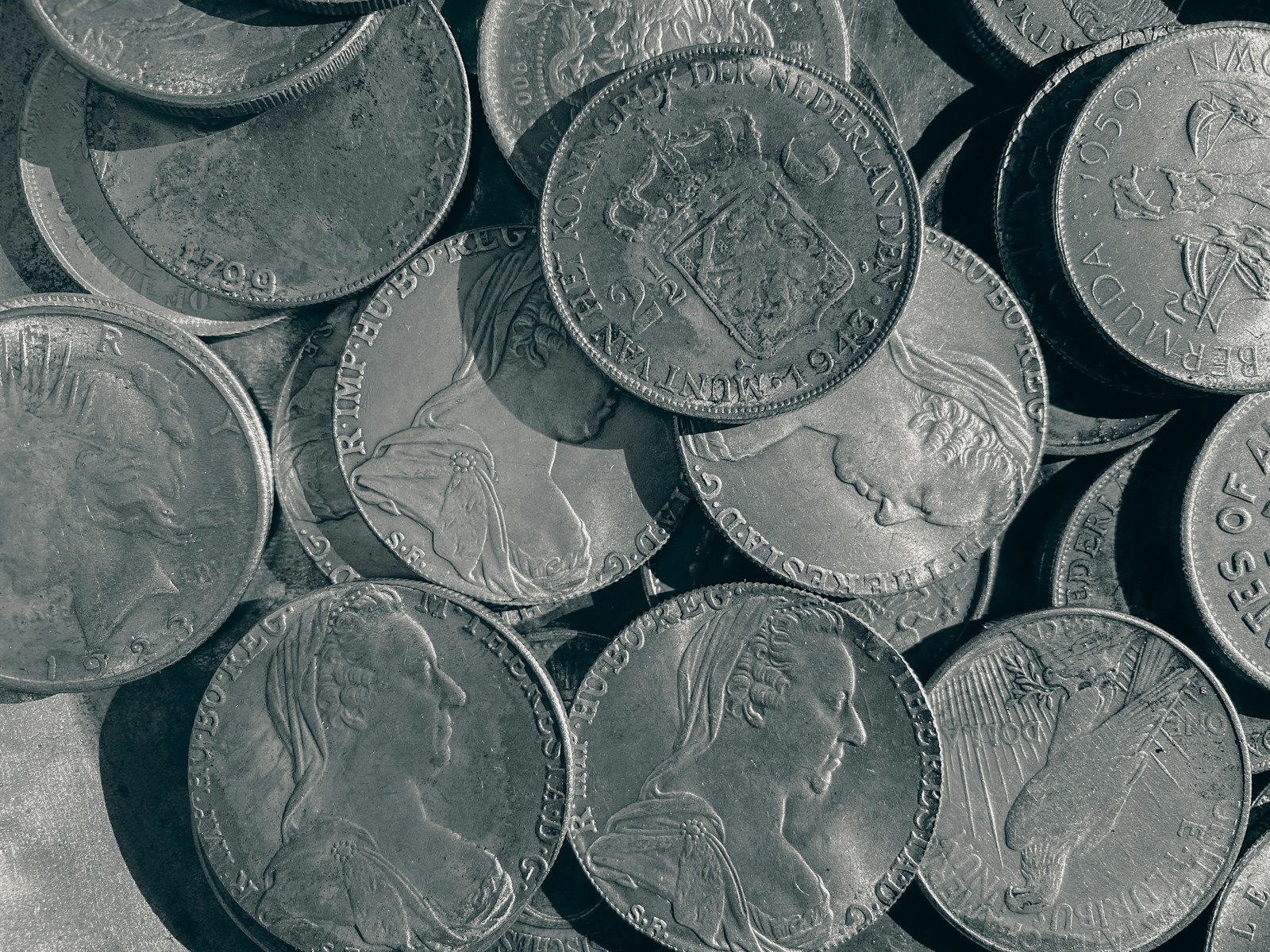
Pre-1965 United States coins are a straightforward way to hold physical silver in small, spendable pieces. Because these “junk silver” coins were minted for circulation, their value today often starts with melt value alone, giving you a clear, metal-based floor under your money while still leaving upside if silver prices rise.
1) 1964 Washington Quarter, classic 90% silver workhorse
The 1964 Washington quarter is one of the most practical pre-1965 coins to target when you want melt value to do the heavy lifting. Circulated examples are common, so you are usually paying close to the underlying silver content rather than a big collector premium. As part of the broader category of pre-1965 United States coinage that contains 90% silver, it gives you a predictable way to translate spot prices into real metal in your hand.
Because these quarters were everyday pocket change, they are easy to recognize and simple to resell if you ever need liquidity. You can quickly calculate melt value by multiplying the silver weight by the current spot price, which helps you avoid overpaying. For anyone building a silver position in small, divisible units, the 1964 Washington quarter is a logical starting point that keeps your focus on metal content rather than numismatic speculation.
2) 1964 Roosevelt Dime, low-cost entry to 90% silver
The 1964 Roosevelt dime gives you the same 90% silver composition in a smaller, more affordable package, which is ideal if you want to stack silver gradually. Because dimes are a lower denomination, you can buy them in larger quantities without a huge upfront cost, yet each coin still carries a melt value anchored by its silver content. As with other pre-1965 issues, the key attraction is that the bulk of what you pay is tied directly to the intrinsic metal.
For practical purposes, Roosevelt dimes are also easy to count and store in tubes or small bags, making them convenient for both long-term holding and potential barter scenarios. Their modern design and clear date make them simple to identify, reducing the risk of confusion with later clad issues. When you want to build a position that tracks silver prices closely, 1964 dimes let you scale in with fine-grained control over how much metal you add at a time.
3) 1964 Kennedy Half Dollar, first-year 90% silver issue
The 1964 Kennedy half dollar stands out because it combines strong melt value with historical significance as the first year of the design. Like other pre-1965 circulating coins, it is struck in 90% silver, so its baseline worth is rooted in the bullion it contains rather than collector hype. That metal content gives you a clear, quantifiable reason to buy, even if you ignore the emotional appeal tied to President John F. Kennedy.
In practice, these halves are popular with both silver stackers and casual buyers, which can support liquidity when you decide to sell. The larger size also makes the silver content feel more tangible in your hand, which some investors prefer over smaller denominations. Because the 1964 issue is the only Kennedy half with full 90% silver for circulation, it offers a focused way to capture melt value while still owning a coin that many people instantly recognize and respect.
4) Pre-1965 Franklin Half Dollars, bulky silver at melt pricing
Franklin half dollars minted before 1965 are another efficient way to accumulate 90% silver in larger chunks. Their design featuring Benjamin Franklin is less in demand among casual collectors than the Kennedy series, which often keeps premiums closer to melt value. When your priority is the underlying bullion, that relative lack of numismatic pressure can work in your favor by keeping costs tied tightly to the silver content.
Because these halves circulated widely, you can usually find them in mixed-date rolls or bags that are priced by weight rather than individual rarity. That structure makes it easier to compare offers and ensure you are paying a reasonable multiple of melt. For anyone who wants a balance between recognizability and low premiums, Franklin halves provide a straightforward, metal-focused option that still carries the trust of official United States coinage.
5) Pre-1965 Walking Liberty Half Dollars, silver with classic artistry
Walking Liberty half dollars from before 1965 combine solid melt value with one of the most admired designs in United States coinage. Although high-grade examples can command collector premiums, heavily circulated pieces often trade close to their 90% silver content, which is what matters if you are buying for bullion. The key is to focus on common dates and worn coins where the price is driven primarily by metal weight.
These halves are especially appealing if you want your silver holdings to have visual character without sacrificing the melt-value foundation. The large format makes the silver content substantial, while the iconic Walking Liberty motif adds a sense of history that many investors appreciate. When you choose circulated examples, you can usually keep your cost basis anchored to the intrinsic silver, preserving the core benefit of junk silver while enjoying a more artistic coin.
6) Pre-1965 Washington Quarters, everyday silver change
Beyond the 1964 issue, earlier Washington quarters minted before 1965 also deliver reliable 90% silver content in a familiar format. Because these coins were standard pocket change for decades, they are widely recognized and easy to verify with a quick date check. That familiarity helps reduce friction when you buy or sell, since both dealers and private parties understand their melt-based value.
From a stacking perspective, pre-1965 Washington quarters are convenient because they are often sold in rolls or bulk lots priced by face value, which you can convert to silver weight using standard tables. This structure lets you scale your purchases to match your budget while keeping the focus on metal content. For anyone who wants a simple, repeatable way to add silver exposure, these quarters function as a practical building block that tracks spot prices closely.
7) Pre-1965 Mercury Dimes, compact silver with vintage appeal
Mercury dimes, officially known as Winged Liberty Head dimes, offer another compact route into 90% silver with a distinctly vintage look. Circulated examples are plentiful, so their pricing often reflects melt value more than collector demand, especially for common dates. That makes them attractive if you want to hold silver in very small, divisible units that still carry the credibility of official coinage.
Because of their age and design, Mercury dimes can also appeal to buyers who appreciate early twentieth century aesthetics, which may help when you eventually resell. At the same time, their small size allows you to fine tune how much silver you acquire in each purchase. When you are focused on melt value but still want coins that feel special, Mercury dimes strike a useful balance between bullion utility and historical charm.
8) Pre-1965 Barber Dimes, older 90% silver workhorses
Barber dimes minted before 1965 extend the 90% silver theme into an even earlier era of United States coinage. While high-grade or rare dates can be expensive, heavily worn common-date pieces typically trade near their melt value, which is what matters for bullion-focused buyers. By targeting these lower-condition coins, you can keep your cost basis anchored to the silver content rather than numismatic scarcity.
These dimes are especially useful if you want to diversify your junk silver holdings across different designs and time periods without paying significant premiums. Their age can add a sense of depth to your collection, yet the underlying investment case still rests on the intrinsic metal. For stackers who value both history and melt value, Barber dimes provide a practical way to hold older silver without drifting into pure collecting.
9) Pre-1965 Barber Quarters, heavier slices of vintage silver
Barber quarters from before 1965 give you a heavier dose of 90% silver in the same classic design family as Barber dimes. As with the smaller denomination, the key for melt-value buyers is to focus on common dates in well-worn condition, where pricing tends to follow bullion content. When you buy in that segment, you are essentially paying for silver weight with a modest premium for the coin form.
These quarters can be particularly appealing if you want vintage silver that still feels substantial in the hand. Their larger size compared with dimes makes the metal content more tangible, while the older design sets them apart from more modern junk silver. For investors who like the idea of holding silver that has circulated for generations, Barber quarters offer that historical resonance without sacrificing the core benefit of melt-based value.
10) Pre-1965 Barber Half Dollars, large-format 90% silver
Barber half dollars minted before 1965 round out the list with one of the largest 90% silver denominations commonly available to bullion buyers. In lower grades and common dates, these coins often trade with premiums that are still closely tied to melt value, giving you a substantial chunk of silver in each piece. That size can be efficient if you want to build a position quickly without handling large numbers of smaller coins.
Because they combine significant silver weight with a classic late nineteenth and early twentieth century design, Barber halves can appeal to both investors and history-minded buyers. Yet the fundamental case remains the same as with other junk silver, your primary protection is the intrinsic metal content. When you want large-format pre-1965 coins where melt value alone justifies the purchase, Barber half dollars deserve a close look alongside more modern options.
Leave a Reply