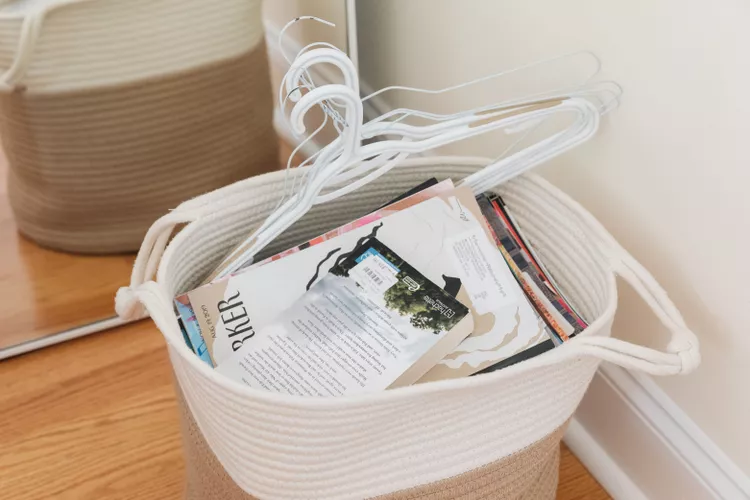
Your home will never feel truly calm if every room is quietly packed with things you no longer use, love, or even remember owning. The fastest way to reclaim space is to target the clutter experts say you should toss immediately, from forgotten basement boxes to outdated “sentimental” décor. Use these 11 categories as a room-by-room checklist to clear what is dragging your home, and your energy, down.
1) Basement clutter you’ve forgotten about
Basement clutter you have forgotten about is one of the easiest places to start, because you are already living without those items. Reporting on things you should toss from your basement describes how this space often becomes a catchall for random boxes, broken gear, and long-abandoned projects. Writer Quincy Bulin notes that when you finally look closely, much of it is simply taking up square footage you could use for storage that actually supports your life.
Letting these items linger has real consequences, from making seasonal swaps harder to increasing dust and moisture traps. Start by opening every unmarked box and asking when you last needed anything inside. If you cannot remember using it in the past year, or you did not even realize you still owned it, that is a strong sign it can be donated, recycled, or thrown out so your basement stops functioning as a forgotten dumping ground.
2) Overflow basement storage you were “saving for later”
Overflow basement storage you were “saving for later” often feels more legitimate than random clutter, but experts still flag many of these items as things you should get rid of as soon as possible. Guidance on what to toss from your basement ASAP stresses that this level of storage can quietly grow until it crowds out everything else. When shelves are packed with extras you never reach for, you lose track of what you actually own and end up rebuying duplicates.
To cut through that backlog, separate truly useful backups from vague “just in case” stashes. Keep the spare folding chairs you use every holiday, but question the third set of mismatched dishes or the mystery electronics cords. The longer you postpone decisions on these items, the more your basement becomes a barrier to accessing the things you genuinely need, and the harder it is to maintain any kind of organizing system.
3) “Sentimental” décor that’s secretly aging your rooms
“Sentimental” décor that is secretly aging your rooms can be surprisingly powerful clutter, because it hides in plain sight. Designers interviewed about sentimental items that might be making your home outdated point out that certain beloved pieces can visually freeze a space in another decade. When every shelf is lined with inherited knickknacks or old framed prints, your rooms start to reflect the past more than your current taste.
The stakes are not just aesthetic. Outdated décor can make cleaning harder, crowd surfaces you could use functionally, and even affect how spacious your home feels to guests or potential buyers. Instead of keeping every sentimental object on display, choose a few that still match your style and photograph the rest before letting them go. That way you preserve the memory without letting it dictate your entire design.
4) Sentimental clutter you’re keeping only because you feel guilty
Sentimental clutter you are keeping only because you feel guilty is another category that deserves immediate attention. The same reporting on sentimental items notes that emotional obligation, rather than genuine affection, often keeps things like inherited furniture or boxes of “Other People, Stuff” in your home long after they have stopped serving you. When those pieces live in corners, closets, or the basement, they quietly add to the sense that your space is never really under control.
Guilt-based clutter also carries a psychological cost, reminding you of unfinished decisions every time you see it. A practical approach is to separate items tied to meaningful memories from those you are only holding to avoid disappointing someone, even if that person is no longer around. Giving those objects a new life through donation or resale respects their value while freeing your rooms from the weight of obligation and making your home feel more aligned with who you are now.
5) Bathroom items organizers say to throw out “ASAP”
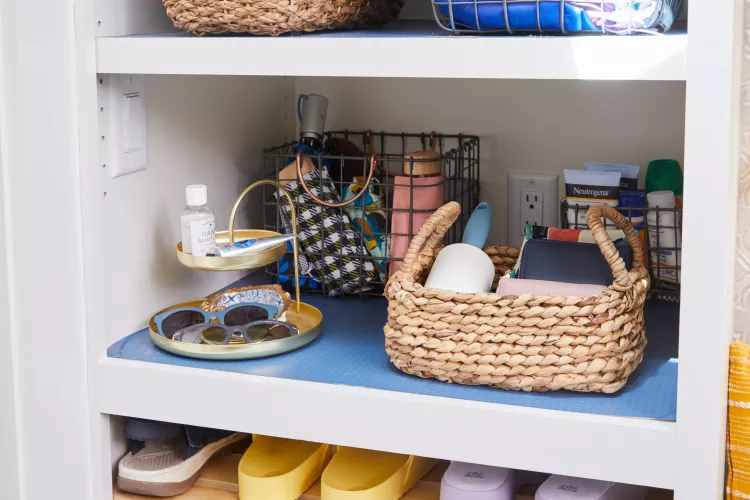
Bathroom items organizers say to throw out “ASAP” are classic examples of clutter that quietly accumulates until drawers barely close. Advice on items you should toss from your bathroom ASAP highlights how quickly products, tools, and accessories pile up in this small space. Pro organizers emphasize that many of these things are past their prime, no longer hygienic, or simply never used, yet they still occupy prime real estate around the sink and in medicine cabinets.
Ignoring this buildup can make daily routines slower and less pleasant, as you dig past expired or ineffective products to reach what you actually use. A targeted sweep, shelf by shelf, helps you spot duplicates, old packaging, and anything you would not feel comfortable using today. Clearing those items immediately not only declutters the room but also makes it easier to see when you are truly running low on essentials, reducing wasteful overbuying.
6) Hidden bathroom clutter that’s taking over your cabinets
Hidden bathroom clutter that is taking over your cabinets often feels harmless because it is out of sight, yet organizers repeatedly flag it as a major source of chaos. Once you have addressed the obvious items on the counter, the next step is to pull everything from under-sink areas, drawers, and over-the-toilet storage. Reports on bathroom decluttering describe how these zones become graveyards for half-used products, travel sizes you never reach for, and tools that no longer work properly.
Leaving those cabinets crammed full has ripple effects, from making leaks harder to spot to encouraging you to stash new purchases wherever they fit. To break the cycle, group items by function and limit each category to what comfortably fits in a single bin or organizer. Anything that does not earn a defined spot is likely clutter you can toss immediately, creating breathing room and making cleaning far simpler.
7) Kitchen gadgets and gear cleaning experts say to toss “ASAP”
Kitchen gadgets and gear cleaning experts say to toss “ASAP” are prime culprits in everyday clutter. Guidance on things to toss from your kitchen ASAP underscores that drawers and cabinets often hold multiples, broken tools, and cookware that no longer performs well. When every meal prep session involves wrestling past these items, your kitchen stops functioning as an efficient workspace and starts feeling like a storage unit.
There are practical stakes here, too, including safety and hygiene. Chipped dishes, warped pans, and stained plastic containers can be harder to clean thoroughly and may not heat food evenly. By immediately removing anything you actively avoid using, you make room for the tools that genuinely support daily cooking. The result is a kitchen that is easier to maintain, faster to clean, and far more inviting to cook in.
8) Everyday kitchen clutter that’s blocking your counters
Everyday kitchen clutter that is blocking your counters often comes from the same categories experts urge you to edit, just left out instead of tucked away. When small appliances, mail piles, reusable shopping bags, and random pantry overflow live permanently on flat surfaces, you lose the clear workspace that makes cooking and cleanup manageable. Over time, that visual noise can make the entire room feel cramped, even if the square footage is generous.
To reverse that trend, treat your counters as active work zones, not storage. Limit each section to a few items you use daily, such as a coffee maker or knife block, and relocate everything else to cabinets you have already cleared by tossing unneeded gadgets. This simple shift reinforces the habit of putting things away, reduces the temptation to drop new clutter there, and helps your kitchen live up to the “toss immediately” standard that cleaning experts recommend.
9) The “#1 thing in your home” to get rid of right now
The “#1 thing in your home” to get rid of right now is whatever category experts identify as especially urgent for the current season. A guide to the top thing you should remove this month frames decluttering as time-sensitive, urging you to focus on one high-impact target at a time. That might be a type of gear you only use part of the year or a storage hotspot that predictably overflows as the calendar shifts.
Zeroing in on a single “#1 thing” keeps the process from feeling overwhelming and ensures you are tackling clutter that is actually affecting your life right now. Whether that means editing bulky outerwear, clearing hobby supplies you have not touched in months, or finally dealing with a specific pile, the key is to act quickly. Treating that category as nonnegotiable helps you build momentum for the rest of your home.
10) Time-sensitive clutter tied to the current season or month
Time-sensitive clutter tied to the current season or month deserves its own spot on your toss list, because it can quietly dominate storage if you never reset. The same monthly guidance on what to remove from your home emphasizes that some items are only useful for a short window, yet they linger in prime spaces all year. Think of seasonal décor, sports equipment, or event-specific supplies that never quite make it back to a labeled bin or donation box.
When you ignore those transitions, closets and entryways become clogged with things that do not match the weather or your schedule. Building a monthly or quarterly habit of asking what no longer fits the season keeps clutter from hardening into permanent background noise. It also makes it easier to spot genuine gaps, so you buy with intention instead of reacting to whatever you can still reach behind the off-season overflow.
11) A whole-home sweep of basement, sentimental, bathroom, kitchen, and monthly “ASAP” items
A whole-home sweep of basement, sentimental, bathroom, kitchen, and monthly “ASAP” items pulls all of this expert advice into one decisive action. Reports on things ASAP that professional organizers agree you should toss show how categories like duplicative paperwork, expired medications, and any half-functional cookware cut across multiple rooms. When you address them together, you stop simply shifting clutter from one area to another and start reducing it overall.
The stakes of this comprehensive pass are significant, from improving safety and hygiene to making daily routines smoother in every part of your home. Move methodically, starting with the basement and working through sentimental décor, bathrooms, and the kitchen, then finish with whatever your “#1 thing” is this month. By treating these 11 categories as nonnegotiable clutter, you create a home that feels lighter, more current, and far easier to keep organized.
More from Willow and Hearth:
Leave a Reply