You probably know your closet is overdue for a cleanout, but it is easy to justify keeping things you never actually wear. The fastest way to reset your wardrobe is to target the pieces that are objectively past their prime or no longer serve your life. Use this list as a clear checklist so you can stop debating every hanger and confidently toss the clothing items you are keeping for no real reason.
1) Clothes That Do Not Fit Anymore]
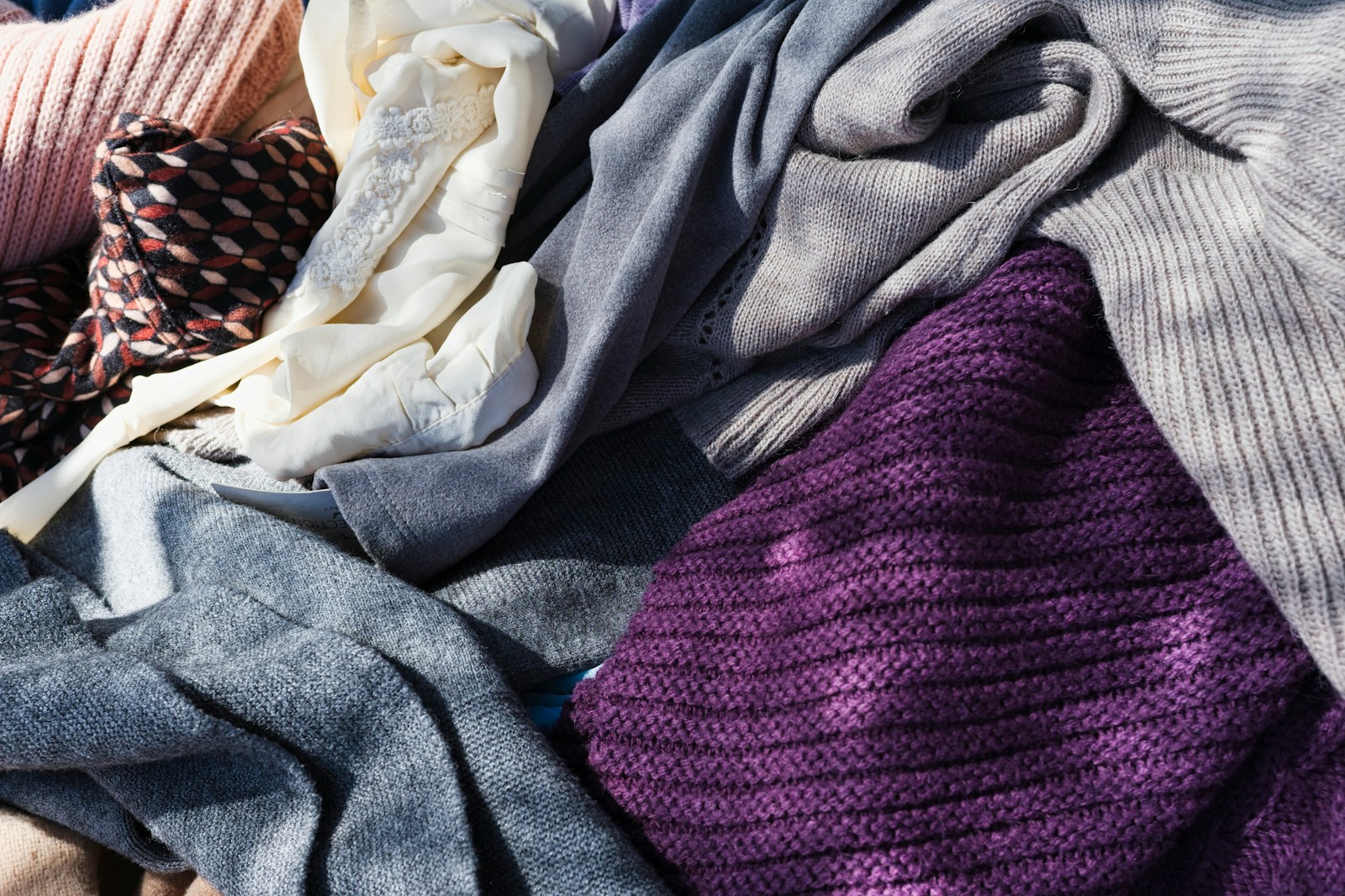
Clothes that do not fit are the clearest candidates to toss, yet they often linger because you hope they will work “someday.” Professional organizers consistently flag too-small jeans, tight blazers, and stretched-out leggings as clutter that blocks you from seeing what you can actually wear. When you keep multiple sizes that do not suit your current body, you crowd out the pieces that do, and getting dressed becomes slower and more frustrating.
Instead of treating old sizes as motivation, treat them as visual noise. If a piece is uncomfortable, pulls at the buttons, or slides off your shoulders, it is not supporting your daily routine. Clearing these items makes space for clothes that fit now, which experts in closet clean-out tips say is the foundation of a functional wardrobe.
2) Damaged Items You Never Repair
Damaged clothing that you never quite get around to fixing is another category you are likely keeping for no reason. Missing buttons, broken zippers, frayed cuffs, and moth holes all signal that a piece is not ready to wear, yet these items often sit in limbo for months or years. Organizing pros routinely recommend creating a small, time-limited repair pile and letting everything else go, because indefinite “project” pieces become permanent clutter.
If you have already passed on multiple chances to mend a sweater or hem a dress, that is a clear sign you do not value it enough to invest the effort. Keeping it still costs you space and attention every time you scan your closet. By tossing or responsibly recycling these items, you reduce decision fatigue and make it easier to spot the clothes that are actually in rotation.
3) Duplicates Of Basics You Never Reach For
Duplicates of basics, like stacks of nearly identical T-shirts or three versions of the same black cardigan, often survive every declutter because they feel “useful.” In reality, you probably reach for one or two favorites and ignore the rest. Organizing guidance on what to remove from your closet frequently calls out excess duplicates as a hidden source of clutter that inflates how much you think you own.
When you pare back to the specific cuts and fabrics you actually wear, you gain a more accurate picture of your wardrobe. That clarity helps you shop more intentionally, instead of buying yet another white tee because you cannot see the ones you like. Letting go of duplicates you consistently skip also frees up drawer and shelf space for items that add real variety, such as a better-fitting blazer or a pair of trousers in a new silhouette.
4) Trend Pieces That Never Leave The Hanger
Trend pieces that looked great on social media but never leave your hanger are prime candidates to toss. Think neon bike shorts, ultra-cropped tops, or hyper-specific prints that do not match anything else you own. These items often survive because they feel “new” or expensive, yet they contribute nothing to your daily outfits. Professional organizers regularly point out that aspirational purchases, rather than practical ones, are a major reason closets feel overstuffed.
If you have owned a trendy item for a full season without wearing it, it is effectively dead weight. Keeping it around can even skew your sense of style, making you feel like you should dress in a way that does not fit your real life. Releasing those pieces creates room for versatile items that work across multiple settings, from the office to weekends, and helps your wardrobe reflect who you are instead of who an algorithm suggested you should be.
5) Shoes That Hurt Every Single Time
Shoes that hurt every time you wear them are not “special occasion” pieces, they are clutter. Whether it is stilettos that leave blisters, loafers that pinch your toes, or boots that rub your heels raw, pain is a clear signal that the fit is wrong. Organizing and wellness experts alike emphasize that uncomfortable shoes do more than waste space, they can contribute to foot strain and make you dread events where you might need them.
If you find yourself packing backup sneakers or flats every time you bring a certain pair, that is a sign you do not trust those shoes. Instead of letting them sit on a shelf as expensive guilt, consider donating gently worn pairs that simply do not suit your feet. Prioritizing comfortable, supportive footwear makes your entire wardrobe more wearable, because you are not building outfits around shoes you secretly avoid.
6) Free Event T-Shirts And Logo Swag
Free event T-shirts and logo swag often pile up because they feel sentimental or “too new” to toss, even if you never wear them outside the house. Drawers full of charity run tees, corporate polos, and branded hoodies quickly crowd out the loungewear you actually like. Decluttering advice that targets bedroom clutter frequently highlights these giveaway items as a major source of overflow in dressers and nightstands.
Ask yourself whether you would keep each piece if it did not have a logo or memory attached. If the answer is no, it is functioning more as a flyer than as clothing. You can keep one or two meaningful shirts for nostalgia and let the rest go, opening up space for higher-quality sleepwear and basics that feel good to wear and actually support restful routines.
7) “Dry Clean Only” Pieces You Never Maintain
“Dry clean only” pieces that you never actually take to the cleaner are another category you are likely keeping for no reason. Silk blouses, structured dresses, and tailored coats can be worthwhile investments, but only if you are willing to maintain them. When these items sit in a crumpled heap waiting for care that never comes, they are not functioning as part of your wardrobe, they are stalled projects.
Repeatedly skipping dry cleaning runs is a sign that the maintenance level does not fit your lifestyle or budget. Instead of letting those pieces occupy prime hanging space, consider whether a lower-maintenance alternative could serve the same purpose. Choosing machine-washable fabrics for workwear and occasion outfits reduces ongoing costs and helps ensure that everything in your closet is ready to wear, not waiting for an errand.
8) Old Workout Gear That Has Lost Its Stretch
Old workout gear that has lost its stretch or support is easy to overlook, because it often lives in a separate drawer. Leggings that slide down, sports bras with worn-out elastic, and tops that have become see-through under bright light are all signs that the fabric has broken down. Fitness clothing that no longer performs can affect your comfort and confidence, making it harder to focus on your workout.
Experts who talk about items to toss in other parts of the home, like expired kitchen staples, emphasize that once an item stops doing its job, it should go. The same logic applies to activewear. Replacing worn pieces with a smaller set of well-fitting, supportive options can improve how you move, reduce chafing or distraction, and make it easier to stick with your exercise routine.
9) Sentimental Clothes You Never Plan To Wear
Sentimental clothes, such as an old prom dress, a college sweatshirt, or a relative’s coat, can be meaningful, but they often occupy far more space than their emotional value requires. Organizing professionals frequently suggest separating memory items from everyday wardrobes so they do not interfere with getting dressed. When sentimental pieces live on your main hanging rod, they inflate your sense of how much you own and make it harder to see what is truly available.
If you would be devastated to lose the memory but have no intention of wearing the item, consider photographing it, saving a small swatch, or storing one or two pieces in a dedicated keepsake box. Letting go of the rest does not erase the experience it represents. Instead, it allows your closet to function as a practical tool for your current life, while your memories are preserved in a more intentional way.
10) Office Wear From A Past Career
Office wear from a past career, like stacks of old suits, pencil skirts, or logoed fleeces from a former employer, often lingers long after your day-to-day life has changed. These pieces can feel like a safety net, but if your current work is remote, creative, or in a different industry, they may never be worn again. Holding on to a full rack of outdated workwear can prevent you from seeing what you actually need for your present schedule.
A small “just in case” capsule, such as one well-fitting blazer and a neutral pair of trousers, is usually enough for occasional formal events. The rest can be donated to organizations that support job seekers who need professional clothing. By releasing office wear that no longer matches your path, you reclaim space for items that reflect your current identity and make everyday dressing simpler and more aligned with where you are now.
Leave a Reply