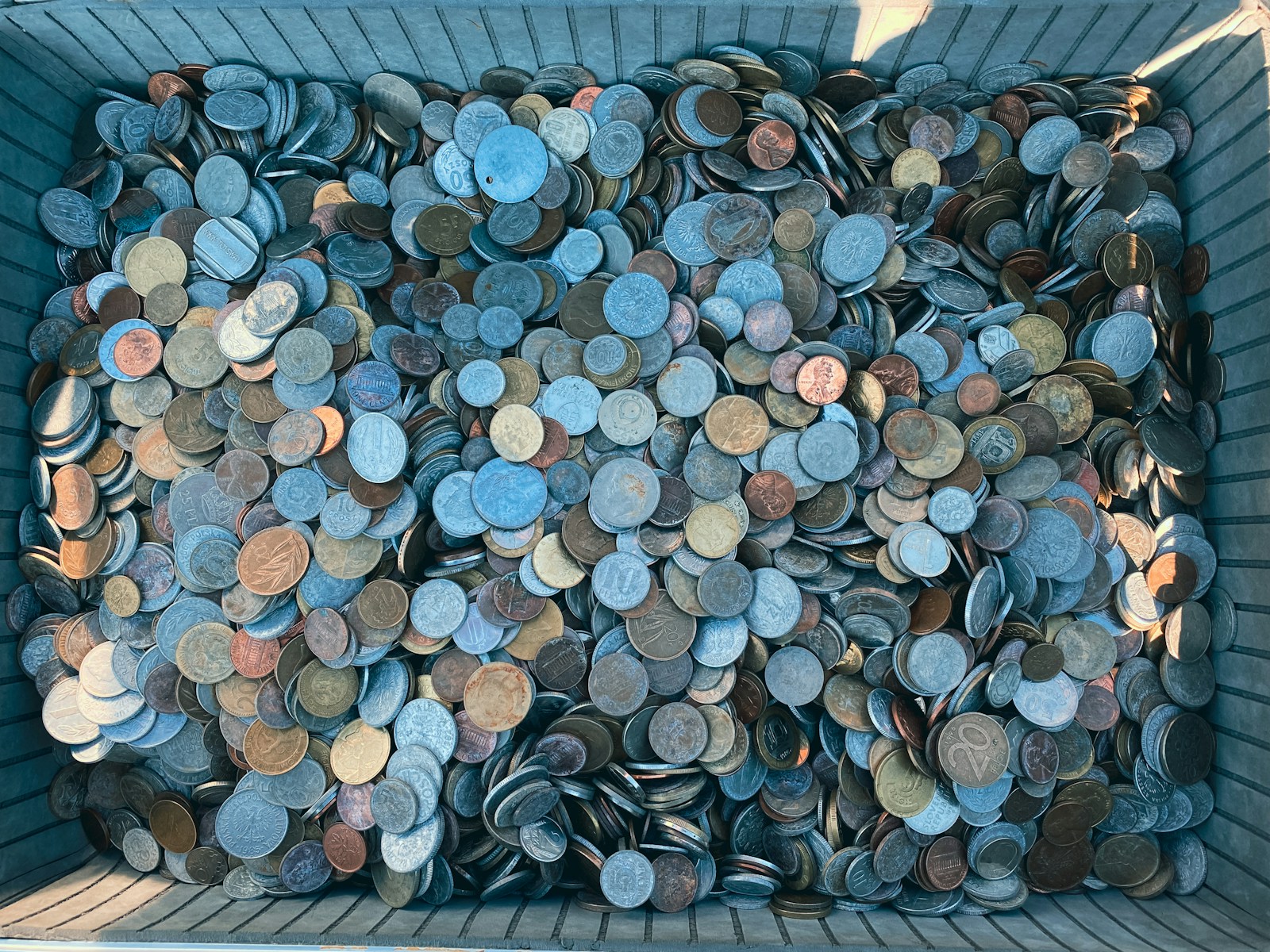
Inherited coin boxes can hide serious value, but only if you know which pieces deserve immediate attention. By focusing on a short list of historically important, frequently counterfeited, or heavily collected issues, you can quickly separate routine pocket change from coins that may justify professional grading or an expert appraisal. Use the following checklist to triage any collection you have just inherited so you do not accidentally spend or melt something that could be worth hundreds or even thousands of dollars.
1) 1909-S VDB Lincoln cent
The 1909-S VDB Lincoln cent is one of the most famous key-date U.S. coins, so you should check any inherited penny folders for it right away. Collectors prize this coin because it combines a low mintage of 484,000 pieces with the first year of the Lincoln design and the controversial “V.D.B.” initials of designer Victor David Brenner on the reverse. That combination of scarcity and story means even circulated examples can trade for hundreds of dollars.
Because the 1909-S VDB is heavily counterfeited, the stakes are high if you think you have one. Authentic coins show a clear “S” mintmark under the date and sharp “V.D.B.” initials at the bottom of the reverse, while many fakes are altered 1909 Philadelphia cents. If your coin appears genuine and grades well, third-party certification can dramatically increase buyer confidence and resale value.
2) 1914-D Lincoln cent
The 1914-D Lincoln cent is another key date that can transform an ordinary-looking penny collection into something far more valuable. With a reported mintage of 1,193,000 coins, it is not the lowest in the series, but survival in higher circulated grades is limited because these cents circulated heavily for decades. As a result, even a moderately worn example can command a strong premium over face value.
When you inspect inherited wheat cents, pay close attention to 1914 dates with a “D” mintmark, since altered 1944-D cents are a known counterfeit trick. Genuine pieces show the correct style and placement of the mintmark relative to the date. If you find a coin that appears original, the potential upside for collectors who need this date to complete a set makes professional authentication a sensible next step.
3) 1955 doubled die Lincoln cent
The 1955 doubled die Lincoln cent is a dramatic mint error that you should look for in any jar of old copper pennies. On genuine examples, the date and the inscriptions “LIBERTY” and “IN GOD WE TRUST” show strong doubled impressions that are visible without magnification, creating one of the most recognizable error coins in U.S. history. Because the doubling is so bold, collectors have pursued this variety for generations, keeping demand and prices high.
Many minor machine-doubling cents are mistakenly advertised as the famous 1955 doubled die, so careful comparison to verified images is crucial. If your coin matches the clear, spread-out doubling pattern, it may be worth far more than its face value, especially in higher grades. Given the strong market for major errors, confirming authenticity and condition can significantly affect what an inherited example might bring at auction.
4) 1937-D “three-legged” Buffalo nickel
The 1937-D “three-legged” Buffalo nickel is a classic mint error that can hide in old change drawers and inherited coin envelopes. On this variety, aggressive die polishing at the Denver Mint removed most of the front leg of the bison, leaving the animal with only three visible legs on the reverse. Certified population data for the 1937-D three-legged nickel show that relatively few high-grade examples survive, which helps explain its strong collector following.
Because the missing leg is the result of die abrasion rather than post-mint damage, genuine coins show other diagnostics, including a weakened area above the hoof and distinctive die scratches. If you spot a 1937-D nickel with an odd-looking bison, it is worth a closer look, since even circulated three-legged pieces can sell for substantial sums. For heirs sorting through mixed nickels, this is one of the quickest visual checks that can pay off.
5) 1916-D Mercury dime
The 1916-D Mercury dime is the key date of the Winged Liberty Head series and a prime target when reviewing inherited silver dimes. With a tiny mintage of 264,000 coins, it is far scarcer than most other dates, and demand from set builders keeps prices elevated across nearly all grades. Even a heavily worn but problem-free example can be worth far more than its silver content.
Counterfeiters often add a fake “D” mintmark to common 1916 Philadelphia dimes, so you should examine the mintmark’s shape and placement carefully. Genuine pieces show a specific style of “D” and correct spacing relative to the fasces on the reverse. If your inherited collection includes early Mercury dimes, isolating any 1916-D candidates and seeking expert verification can prevent an expensive mistake and unlock significant hidden value.
6) 1942/1 overdate Mercury dimes
The 1942/1 and 1942/1-D overdate Mercury dimes are important varieties that can elevate an otherwise ordinary group of wartime silver. On these coins, the “2” in the date was punched over a “1,” creating a visible overdate feature that shows as overlapping numerals under magnification. Because the error occurred early in the die preparation process, a meaningful number entered circulation, but high-grade survivors remain scarce and desirable.
When you sort inherited dimes from the early 1940s, set aside any 1942 pieces and inspect the date closely with a loupe. Genuine overdates show clear remnants of the underlying “1,” especially inside the “2,” while normal coins do not. Collectors pay strong premiums for authenticated examples, so confirming whether your coin is a true overdate can significantly change how you prioritize it for grading or sale.
7) 1916 Standing Liberty quarter, Type 1
The 1916 Standing Liberty quarter, Type 1, is a standout rarity that deserves immediate attention in any inherited quarter collection. With a reported mintage of only 52,000 coins, it is one of the lowest-production issues in 20th-century U.S. coinage. Its status as the first year of the Standing Liberty design, combined with that scarcity, makes it a cornerstone of advanced quarter sets.
Because the 1916 design is similar to the 1917 Type 1, misattribution is common when non-specialists sort old coins. Authentic 1916 quarters have a smaller date and specific design details around Liberty’s shield that differ from later issues. If you find a Standing Liberty quarter that appears to be 1916, the financial implications are significant enough that professional authentication and careful handling are essential before you consider selling or insuring it.
8) 1932-D and 1932-S Washington quarters
The 1932-D and 1932-S Washington quarters are the key dates of the early Washington series and should be high on your checklist when reviewing inherited silver. The Denver issue has a mintage of 436,800 coins, while the San Francisco issue totals 408,000 coins, both far below typical Washington quarter mintages. That scarcity, combined with the popularity of the series, keeps demand and prices strong.
When you sort pre-1965 quarters, pull any 1932 dates and check the mintmark on the reverse. Genuine “D” and “S” mintmarks for this year are heavily targeted by counterfeiters who alter common Philadelphia coins, so comparing the style and placement to verified examples is important. Because many collectors need these two dates to complete their sets, authenticated pieces in attractive grades can command substantial premiums over bullion value.
9) 1916-D Barber quarter
The 1916-D Barber quarter is a semi-key date that often flies under the radar but can add meaningful value to an inherited group of older quarters. With a mintage of 6,540,800 coins, it is not as rare as some earlier Barber issues, yet collector demand for late-series dates in better grades keeps prices elevated. Its position at the end of the Barber quarter run also makes it a target for those assembling date-and-mintmark sets.
Heirs frequently overlook Barber quarters because they appear worn and old-fashioned compared with modern designs, but numismatists pay close attention to original surfaces and problem-free wear. If your inherited collection includes 1916-D examples with honest circulation and no harsh cleaning, they may be worth more than their silver content suggests. Identifying and preserving such coins can improve the overall return when you eventually sell or consign the collection.
10) 1916-D Barber half dollar
The 1916-D Barber half dollar is another late-series issue that can reward careful searching in inherited silver. With a recorded mintage of 1,170,400 coins for the final Denver Barber half (closely associated with the series’ end), surviving examples in higher circulated grades are not common. Collectors who specialize in Barber halves often pay premiums for well-detailed, original pieces from these closing years.
Because half dollars were workhorse coins in commerce, many Barber halves show heavy wear, rim bumps, or cleaning, all of which reduce value. When you evaluate inherited halves, separate any late-date Denver issues that retain clear details in Liberty’s headband and the eagle’s feathers. Those coins may justify individual pricing rather than being sold strictly for bullion, especially if third-party grading confirms their originality and condition.
11) 1921 and 1921-D Walking Liberty halves
The 1921 and 1921-D Walking Liberty half dollars are key dates that can dramatically change the value of an inherited silver stack. The Philadelphia issue has a mintage of 246,000 coins, while the Denver issue totals 208,000 coins, both extremely low for the series. These figures make them among the scarcest regular-issue Walking Liberty halves, and collectors pay accordingly.
When you sort inherited halves, pull all 1921-dated coins and verify the mintmark on the reverse. Because these dates are so valuable relative to common years, they are frequent targets for counterfeiting and alteration. If your coins appear genuine and retain decent detail, the financial stakes justify careful storage, insurance consideration, and likely submission to a grading service before any sale or trade.
12) 1928 Peace dollar
The 1928 Peace dollar, especially from the Philadelphia Mint, is a key date that can elevate an inherited group of silver dollars. With a mintage of 360,649 coins, it is the lowest regular-issue Peace dollar, making it significantly scarcer than surrounding years. Collectors who build complete Peace dollar sets often find this date one of the most challenging to acquire in attractive condition.
Inherited dollar accumulations frequently mix common 1922–1925 issues with occasional better dates, so checking every 1928 carefully is essential. Original, lightly circulated examples can bring strong premiums over melt value, and certified high-grade pieces are especially sought after. By isolating and properly evaluating any 1928 Peace dollars you inherit, you can avoid selling a key date at bullion prices and capture the full numismatic value that dedicated buyers are willing to pay.
Leave a Reply