Your hair tools and products do not last forever, and some can quietly sabotage your scalp, strands, and bathroom hygiene long before they look “used up.” If you want healthier hair and a cleaner routine, you should regularly clear out damaged tools, expired formulas, and anything that no longer works for your texture. Start with these eight common culprits that belong in the trash today.
1) Cracked or Missing-Teeth Combs
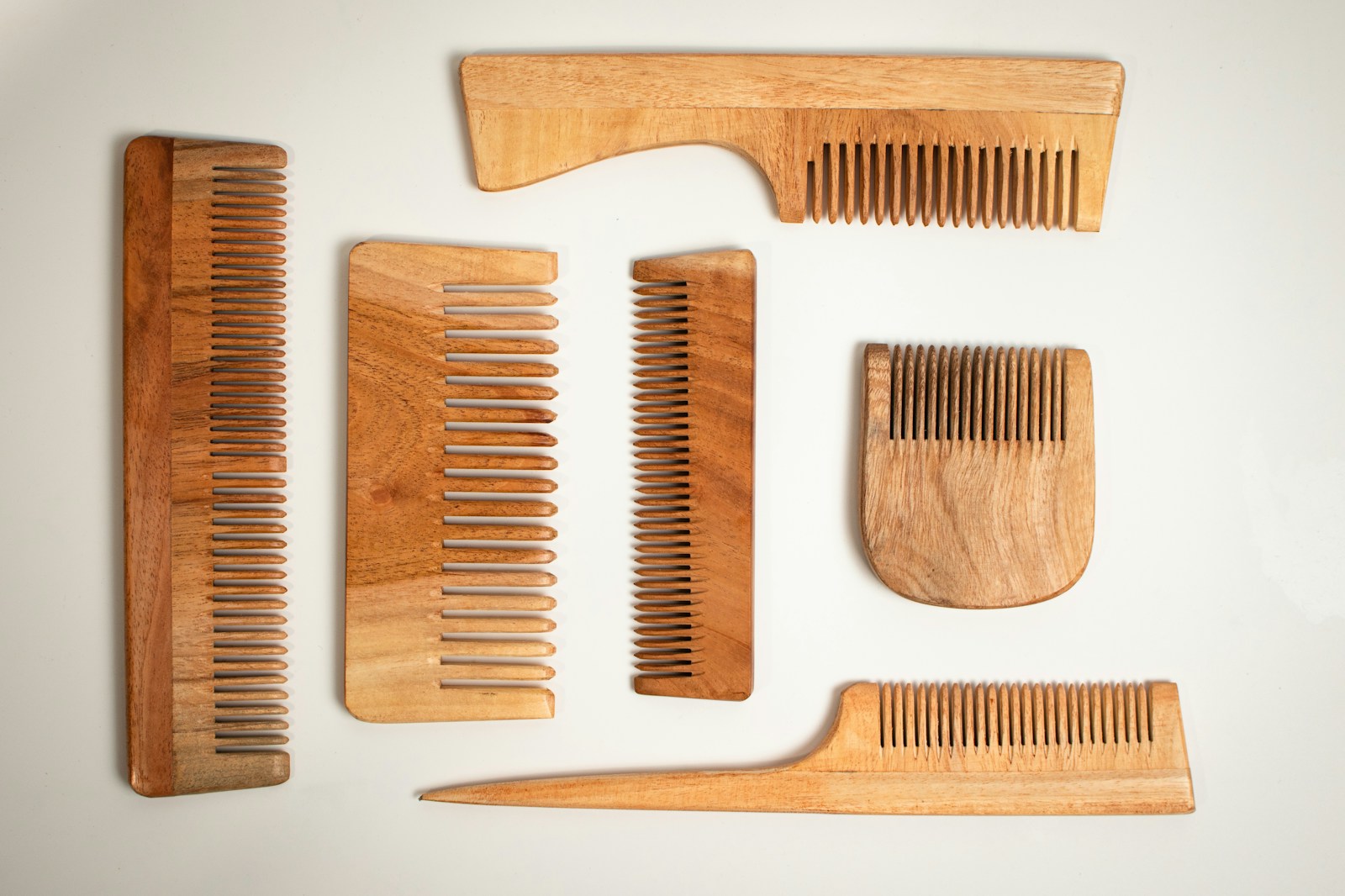
Cracked combs and those with missing or jagged teeth should be tossed as soon as you spot damage. Rough edges can scratch your scalp, snag strands, and cause breakage along the hair shaft, especially if you have fine or fragile hair. Those tiny cuts on the scalp also make it easier for bacteria and product residue to build up, which can aggravate flaking and irritation over time.
Keeping damaged combs around also undermines detangling. Instead of gliding through knots, broken teeth create new tangles and split ends, forcing you to use more force and causing even more shedding. Bathroom decluttering advice that flags worn-out grooming tools as throwaway items, like guidance on what to remove from an overstuffed bathroom cabinet, applies directly here: if a comb is cracked, warped, or missing teeth, it is no longer safe or effective.
2) Melted or Warped Plastic Brushes
Melted or warped plastic brushes are another tool you should discard immediately. When a brush has been exposed to high heat from a blow-dryer or hot tools, the bristles can bend, soften, or partially melt. Those deformed bristles stop distributing tension evenly, which leads to uneven styling and hot spots that can scorch certain sections of hair while leaving others barely smoothed.
There is also a hygiene cost. Warped plastic surfaces are harder to clean thoroughly, so old styling products, dust, and shed hair cling to the brush base and bristles. That buildup gets redeposited on freshly washed hair, weighing it down and dulling shine. If you notice a plastic brush has lost its original shape, feels sticky, or smells like burnt plastic, treat it like any other damaged bathroom item and replace it before your next blowout.
3) Brushes Matted with Old Hair and Product
Brushes that are permanently matted with old hair and product residue belong in the trash, not on your vanity. When the base of the brush is packed with lint, sebum, and styling sprays, every pass through your hair transfers that grime back onto your scalp. Over time, this can contribute to clogged follicles, greasy roots, and more frequent washing, which is especially frustrating if you are trying to stretch your wash days.
Deep-cleaning can extend a brush’s life, but there is a limit. If the bristles are coated, the padding is discolored, or the trapped hair cannot be removed without damaging the tool, it is time to let it go. Advice on clearing out expired and contaminated items from a crowded medicine cabinet underscores the same principle: once buildup compromises cleanliness, replacement is safer than rescue.
4) Rusty Metal Clips, Pins, and Barrettes
Rusty metal clips, bobby pins, and barrettes are small but risky items you should throw away today. Rust forms when metal is exposed to moisture, which is unavoidable in a steamy bathroom. Those rough, oxidized edges can scratch your scalp, snag strands, and even stain light hair with orange or brown marks that are difficult to remove without clarifying treatments.
Beyond cosmetic damage, rust is a sign that the metal is breaking down. That makes clips more likely to snap unexpectedly, pulling out hair in the process. It also raises hygiene concerns, since corroded surfaces are harder to clean and can harbor residue. If you see discoloration, flaking, or rough patches on any metal hair accessory, replace it with a fresh, smooth version to protect both your scalp and your style.
5) Old, Crusty Hair Ties and Elastics
Old hair ties and elastics that have lost their stretch or are crusted with product should not stay in your drawer. When the elastic core is fatigued, you end up wrapping it tighter to keep a ponytail in place, which increases tension on the hairline and can contribute to breakage and traction along the edges. Frayed fabric or exposed rubber can also catch on individual strands, causing snapping every time you remove your ponytail or bun.
Product buildup is another red flag. Elastics that feel stiff from hairspray, dry shampoo, or styling creams transfer that residue to clean hair, leaving dents and rough patches. Since these accessories are inexpensive, the stakes are clear: hanging on to worn-out ties risks unnecessary damage for very little savings. Swap them for smooth, snag-free options and rotate them regularly so no single elastic is overused.
6) Expired Styling Products and Aerosols
Expired styling products, especially aerosols like hairsprays and texture sprays, should be cleared out just as aggressively as outdated skincare. Over time, formulas can separate, thicken, or lose their intended hold, so you end up using more product for weaker results. In some cases, preservatives become less effective, which raises the risk of irritation or off smells when you spray them near your scalp and face.
Bathroom clean-out checklists that highlight old grooming products as clutter worth discarding, similar to guidance on removing unnecessary bathroom items, align with this approach. If a can is rusty, the nozzle is clogged beyond repair, or the label’s period-after-opening symbol has long passed, treat it as a safety and performance issue. Replacing expired formulas helps protect your scalp health and ensures your styling routine actually delivers the hold, shine, or volume you expect.
7) Cheap, Uneven Heat Tools
Cheap heat tools with uneven plates or inconsistent temperature control are prime candidates for the trash. When a flat iron or curling wand has hot and cool spots, some sections of hair are overexposed to heat while others barely set, which leads to frizz, dryness, and a rough cuticle. Tools without reliable temperature settings also tempt you to crank the heat higher than necessary, increasing the risk of long-term damage and breakage.
Upgrading to better-engineered tools, including attachments like high-quality hair diffusers, can make a noticeable difference in how evenly air and heat are distributed. That matters for every texture, but especially for curls and coils that are prone to dryness. If your current iron snags, smells burnt, or leaves hair feeling rough even with protectant, retiring it will immediately lower the stress on your strands.
8) Brushes and Tools You Never Actually Use
Finally, any hair tool or product you never actually use should be on your throwaway list. Cluttered drawers full of specialty brushes, niche creams, and duplicate sprays make it harder to see the items that do work for your hair. That visual noise encourages you to keep reaching for the same few things while forgotten products quietly expire in the background, wasting money and space.
Streamlining your collection has practical benefits. With fewer, better tools, you can build a consistent routine that supports your scalp and strands instead of constantly experimenting with half-used bottles. Treat unused items like any other outdated bathroom product: if you have not reached for it in months and it does not serve a specific, current need, clearing it out will simplify your styling time and reduce the chance of accidentally using something past its prime.
Leave a Reply