Modern pocket change hides a surprising number of quiet jackpots, with certain recent issues already trading for far more than the numbers stamped on their faces. When you understand which dates, designs, and oddities collectors chase, you can turn a casual coin check into a focused hunt for value. The most sought after modern pieces share a few traits, from dramatic minting mistakes to short production runs that left only a thin supply for a growing pool of buyers.
How Modern Coins Turn Into Mini Assets
You interact with coins as spending tools, but the market treats some of them more like small collectibles or even micro investments. Value builds when a coin combines scarcity, strong demand, and a story that collectors want to own, whether that story is a dramatic error, a one-year design, or a link to a turning point in history. Modern issues can check all of those boxes, especially when a small production quirk slips past quality control and into circulation.
That is why a handful of pieces minted in the last few decades already sell for many times face value, even though they are technically still legal tender. Classic rarities such as the 1943 Lincoln Head Copper Penny and the 1955 Double Die Penny show how a simple cent can become a high value object when a metal change or doubled design creates a distinct variety that collectors recognize and chase, and the same logic now applies to newer coins that share those traits, as documented in detailed lists of coins worth money.
1. Sacagawea Dollars With High-End Errors
Among modern dollar coins, certain Sacagawea issues have already broken away from face value and moved into serious collector territory. You might see a golden dollar and assume it is only worth a dollar, but specific error varieties, such as pieces struck on the wrong planchet or with misaligned designs, can command hundreds or even thousands of dollars when authenticated in top condition. The combination of a widely recognizable design and a relatively small number of dramatic mistakes gives these coins a powerful appeal.
Specialists point to the broader category of Sacagawea Dollars and related modern dollar issues as “Modern Marvels” because they show how even recent circulating coins can become major prizes when the right error or variety surfaces. Guides to rare dollar coins highlight how the Sacagawea series and its successors, including the Presidential designs, have produced standout pieces that now trade far above face value, with some examples described as worth thousands in the context of Modern Marvels coverage of these modern dollar coins.
2. Presidential Dollars With Scarce Varieties
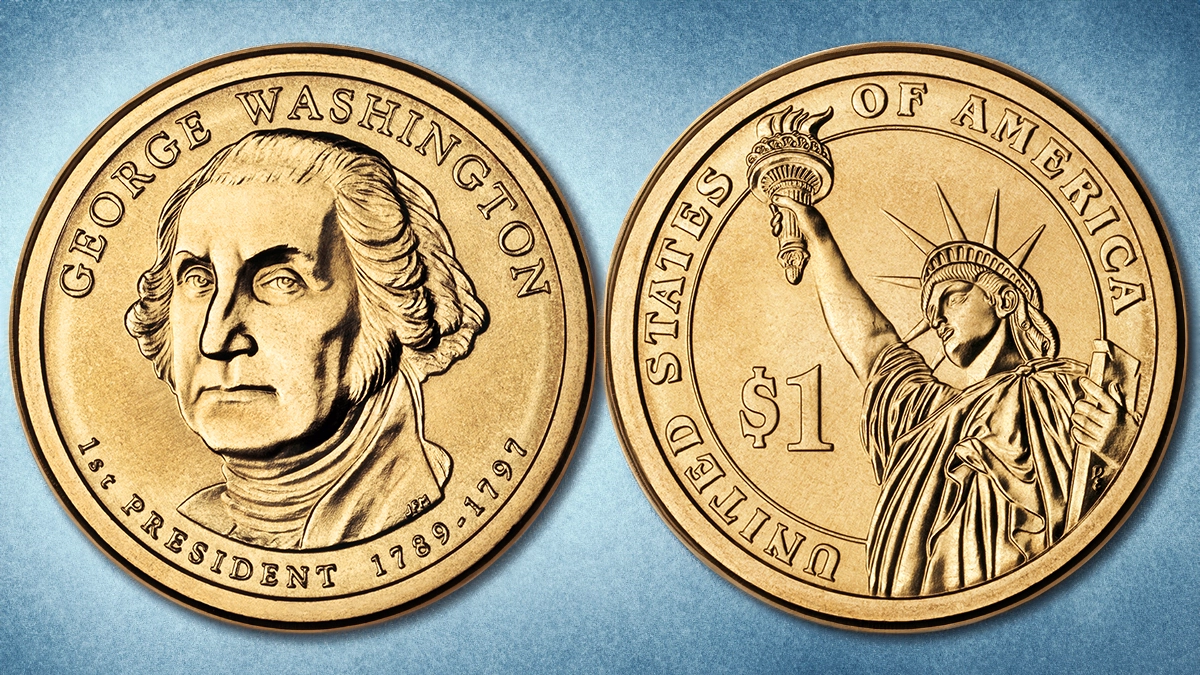
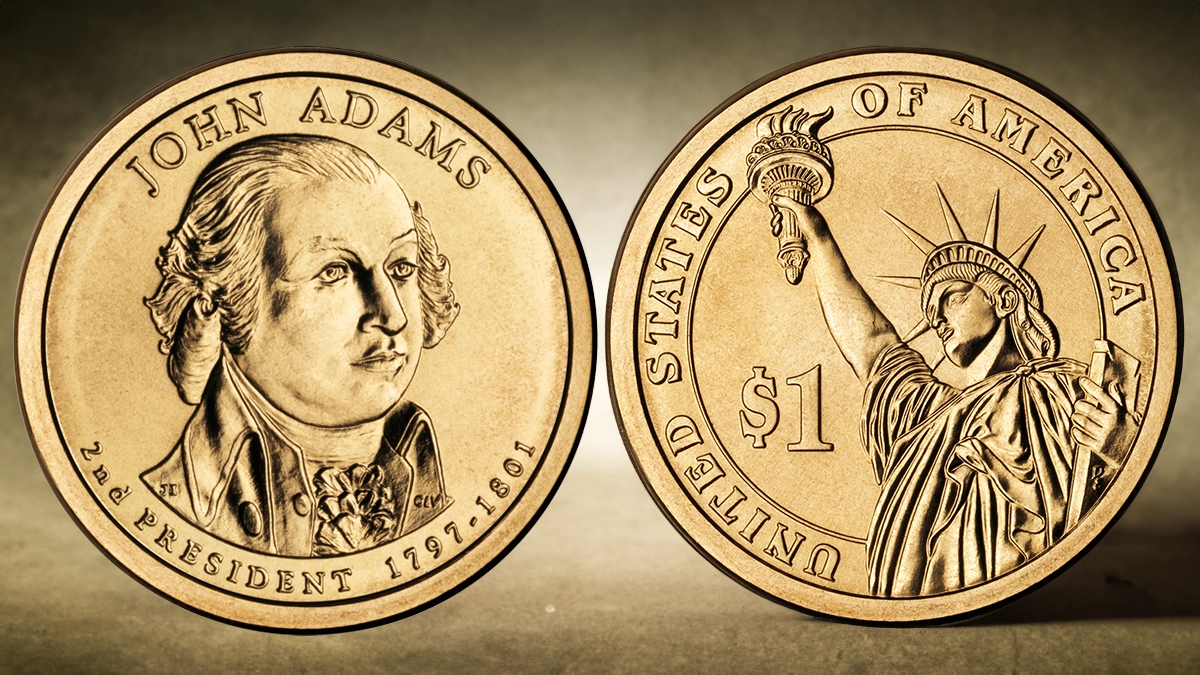
The Presidential Dollar series, which paired rotating portraits of United States presidents with a golden finish, created another pocket of modern coins that can be worth far more than their one dollar denomination. While most examples remain common, certain edge lettering errors, missing inscriptions, or low mintage issues have become targets for collectors who want a complete and high grade run of the series. When a design includes multiple elements, such as portraits, legends, and edge text, there are more ways for something to go wrong at the mint, and those mistakes can translate into premium prices.
Because the Presidential Dollars share a production lineage with the Sacagawea Dollars, they benefit from the same collector interest in modern dollar coinage that has already elevated some pieces into the thousands. References that group the Sacagawea Dollars and Presidential issues together as standout modern series emphasize how a relatively short production window and a mix of design changes, including the edge lettering, have created a fertile field for rare varieties, reinforcing why these Product-like collectibles can behave more like niche assets than simple spending money when the right combination of scarcity and demand appears.
3. Modern Pennies Inspired By Classic Rarities
Pennies remain the most familiar coins in your change, yet they also hide some of the most dramatic jumps in value when a rare variety surfaces. The market’s fascination with the 1943 Lincoln Head Copper Penny, a cent that should have been struck in steel during wartime but instead appeared in copper, shows how a small metal anomaly can turn an everyday coin into a major prize. That same pattern plays out in more recent years whenever a composition change or minting error creates a small run of pieces that do not match the standard specifications.
Collectors also look back to the 1955 Double Die Penny, where a misaligned hub created a doubled image on the coin, as a template for how modern doubled dies and other striking errors can gain traction. When you examine newer cents, especially those produced during design transitions or with changing mint technology, you are effectively hunting for the next generation of such varieties, and detailed rundowns of coins like the Lincoln Head Copper Penny and Double Die Penny help you understand which visual cues and date combinations can signal that a modern cent is already worth more than a single cent in the eyes of the market.
4. State and Territorial Quarters With Hidden Premiums
The State and Territorial quarter programs turned pocket change into a rolling history lesson, but they also created a complex landscape of mint marks, designs, and potential errors that can carry real value. While most of these quarters trade at face value, certain low mintage issues, high grade examples pulled from circulation early, and coins with striking anomalies have already started to sell for more than twenty-five cents. The sheer number of designs means that collectors who want complete sets in top condition must compete for the best surviving pieces, especially from states or territories where distribution was thinner.
Modern error hunting on these quarters often focuses on doubled designs, off-center strikes, or missing elements that echo the appeal of classic varieties like the Double Die Penny. When you find a quarter with a visibly doubled motto, a partial design, or a sharp strike that looks unusually crisp compared with typical pocket change, you may be looking at a coin that the market already values as a collectible. The same principles that elevated earlier errors now apply to these modern quarters, and as more people complete albums and registry sets, the pressure on scarce varieties is likely to keep their prices above face value.
5. America the Beautiful Quarters and Low Mintage Issues
Following the State quarters, the America the Beautiful series extended the idea of rotating designs, this time highlighting national parks and historic sites. Because the program ran for a defined period and included both circulation strikes and special collector versions, certain dates and mint marks already stand out as tougher to find in high grade. When a design had a relatively short production run or limited distribution, the surviving coins in excellent condition can trade at a premium, especially among collectors who want a full run of all parks and sites.
Some America the Beautiful quarters also intersect with error collecting, where a misaligned die or incomplete strike creates a distinct variety tied to a specific park design. These pieces combine the visual interest of a scenic reverse with the scarcity of a minting mistake, making them attractive to both series specialists and general error hunters. As with other modern coins, the key is to look closely at the details, from the lettering around the rim to the fine lines in the artwork, because those are the areas where a small difference can separate a common quarter from one that already commands more than its twenty-five cent face value.
6. Modern Nickels With Transitional and Design Errors
Nickels rarely attract the same attention as silver-era coins, but modern issues have produced their own pockets of value, particularly when designs or compositions shifted. Transitional errors, where a coin is struck using the wrong metal or an outdated die, can occur when the mint changes specifications and a few planchets or tools from the previous standard remain in the production line. When that happens on a modern nickel, the resulting pieces can be extremely scarce, since the error window is usually brief and quality control tends to catch most anomalies.
Design changes, such as updates to the portrait of Thomas Jefferson or the reverse imagery, also create opportunities for varieties that collectors track closely. A doubled design element, a missing mint mark, or a misaligned strike on a newer nickel can echo the appeal of classic doubled dies and other famous errors, giving you a reason to inspect even the most ordinary looking five cent pieces. Because nickels circulate heavily, high grade survivors of these varieties can be especially valuable, and the combination of wear resistance and design complexity makes them a fertile ground for modern finds that already trade above face value.
7. Special Mint Sets and Modern Proofs That Escape Into Circulation
Not every modern coin that sells for more than face value started life intended for circulation. Special Mint Sets and modern proofs, which are struck with extra care and often sold directly to collectors, sometimes leak into everyday commerce when original buyers spend them or when sets are broken up. When you find one of these high quality pieces in change, you are effectively pulling a small premium product out of the wild, and the difference in strike quality, mirrorlike fields, and sharp details can be obvious once you know what to look for.
Because these coins were produced in more limited numbers than standard circulation strikes, their presence in everyday transactions is relatively rare, and that scarcity supports higher prices when collectors try to reassemble complete sets. The market often pays more for proofs and special issues that have survived without heavy wear, so spotting one early and protecting it from further damage can preserve its value. In a sense, you are rescuing a collectible that slipped out of its intended channel, and the gap between its face value and its market price can be significant, especially for modern series where demand for pristine examples is strong.
8. Error Coins From Modern High-Speed Production
Modern minting relies on high-speed machinery that can produce enormous volumes of coins, and while quality control is strict, no system is perfect. When a die cracks, a planchet feeds incorrectly, or a design hub misaligns, the resulting errors can be dramatic, and a small number of those pieces may escape into circulation before the problem is caught. Collectors prize such errors because they are tangible evidence of how the minting process works, and because each type of mistake, from off-center strikes to broadstrikes and die clashes, creates a distinct visual effect.
These modern error coins often gain value quickly when they are tied to popular series or when the mistake is especially bold and eye catching. A coin that shows a clear doubled design, a missing element, or a large off-center strike can be worth many times its face value even if it was minted only a few years ago. The key for you is to slow down when sorting change, paying attention to anything that looks out of alignment, incomplete, or unusually thick or thin, because those physical clues can signal that you are holding a product of a brief and unintentional variation in the mint’s high-speed workflow that collectors are willing to pay for.
9. Using Data and Market Signals To Spot Tomorrow’s Winners
Identifying which modern coins are already worth more than face value is only part of the opportunity; the other part is learning how to anticipate which issues might be next. Market behavior around coins functions much like other collectible categories, where supply, demand, and visibility interact to push certain items higher. When you track which dates, mint marks, and varieties are selling at premiums, you can start to see patterns, such as increased interest in specific series or designs that resonate with new collectors entering the hobby.
Digital tools now make it easier to monitor these signals, as platforms that aggregate product information from brands, stores, and content providers can reveal how interest in particular coins is evolving over time. Systems that map relationships between items, such as the Shopping Graph that organizes vast amounts of Product data, illustrate how quickly niche collectibles can surface in search and commerce when demand spikes. By combining that kind of market awareness with hands-on habits like checking your change and learning the visual markers of key varieties, you put yourself in a strong position to recognize modern coins that have already outgrown their face value and to hold onto the ones that may be on the verge of doing the same.
More from Willow and Hearth:
Leave a Reply