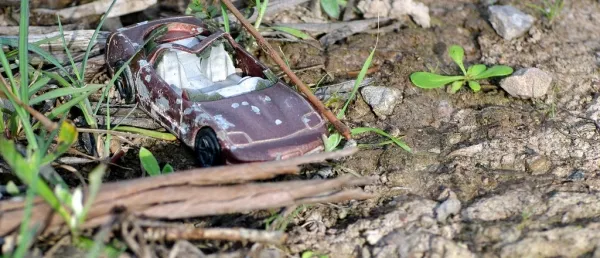
Broken toys pile up quietly, taking over bins and shelves even though no one is actually playing with them. If you are hanging on to cracked plastic and missing pieces, you are storing clutter, not memories. Use these eight common categories of broken toys as a checklist to decide what you will truly repair and what you are finally ready to let go.
1) Broken plastic action figures you swear you’ll fix “someday”
Broken plastic action figures with missing heads, snapped weapons or loose joints often linger for months while you promise yourself you will repair them. In reality, you already have access to detailed guidance on safe, strong adhesives that are specifically described as “11 Safe, Strong Adhesives to Try” for plastic toys, so waiting for the “right glue” is no longer a valid reason to keep a toy in limbo. Once you know there are multiple options, the real decision is whether the figure is worth the time.
That decision matters for your space and your child’s expectations. A bin full of half-broken heroes teaches kids that toys are disposable, yet never actually repaired. Set a clear deadline, use an appropriate adhesive if the figure is still loved, and if it is not, acknowledge that you are keeping clutter for no reason and let it go.
2) Cracked plastic dolls with loose limbs
Cracked plastic dolls with dangling arms or legs are another category you are likely keeping out of habit. A loose limb feels fixable, but if you have not acted yet, the doll is effectively out of rotation. Tutorials that show you how you can fix a broken piece of plastic prove that basic repairs are possible at home, so the real barrier is not knowledge, it is priority. When a doll has sat broken for weeks, it is time to decide whether it deserves a spot on your to-do list.
There are also safety and emotional stakes. Sharp cracks can scratch small hands, and a perpetually broken favorite can be more upsetting than a toy that has been clearly retired. Either commit to a simple repair session, using safe methods that keep joints smooth and secure, or be honest that the doll’s play life is over and free up space for toys that actually work.
3) Snapped plastic building bricks and accessories
Snapped plastic building bricks, ramps and doors tend to sink to the bottom of storage bins, where they quietly frustrate every future building session. A single cracked connector can make an entire structure unstable, yet you may keep these pieces because they feel too “useful” to toss. Short, kid-friendly repair videos like Fix It Fast, which promises “Super Simple Toy Repairs at Home” and even opens with “Hey Handy Helpers! Today,” show that quick fixes are realistic when you actually intend to do them.
From a clutter perspective, though, broken bricks that never get repaired are dead weight. They slow down clean-up, make sets incomplete and can sour a child’s enthusiasm when builds collapse. Sort these pieces into a small “repair now” container and schedule a specific time to address them. Anything still sitting there afterward is a clear candidate for the trash or recycling, not long-term storage.
4) Plastic ride-on toys with broken handles or trim
Plastic ride-on toys with cracked handles, broken trim or loose decorative pieces often get pushed to the corner of the garage. Parents hesitate because they are unsure which fixes are safe for a child who climbs, leans and sometimes chews on every surface. That uncertainty is understandable, but it should not translate into keeping unsafe gear indefinitely. If a handle is compromised, the toy is no longer reliable support for a toddler who is still mastering balance.
The stakes here are higher than aesthetics, since a broken handle can cause falls and a jagged edge can cut skin. Instead of letting a damaged ride-on sit unused, inspect it with a safety-first mindset. If the structure itself is cracked, accept that it has reached the end of its life. If only a cosmetic piece is loose and you can secure it cleanly, repair it promptly, then either return the toy to active use or move it out of your space.
5) Plastic play kitchen pieces with chipped or separated parts
Plastic play kitchen pieces, from pretend food to oven doors, are notorious for chipped edges and separated knobs. These sets are meant for constant handling, so once parts crack, they quickly become more annoying than fun. Guidance on how to use broken and incomplete sets in new ways, such as turning them into treasure trays, tinker trays or mandala sets, even notes that you do not need a special tray because an egg tray would suffice.
That perspective is useful because it reframes what you are keeping. If you intentionally repurpose incomplete kitchen pieces into open-ended play materials, they are no longer clutter. However, if chipped food and loose knobs just rattle around in the bottom of a bin, they are not serving anyone. Decide whether you will actively transform them into a new activity, and if not, stop letting them occupy storage that could hold intact, engaging toys.
6) Plastic toy vehicles with broken spoilers, mirrors, or doors
Plastic toy vehicles with missing spoilers, snapped mirrors or jammed doors often look “almost fine,” which is why they linger. Yet a car that no longer rolls straight or a truck with a door that will not close is frustrating to play with. Writing that highlights how broken or missing-piece toys quietly pile up and even quotes one parent saying, “I’ve been …,” underscores how common it is to keep these items out of guilt rather than usefulness.
For kids who love vehicles, function matters more than perfect detailing. If a broken spoiler does not affect play, you may choose to keep the toy. However, if the damage keeps the wheels from turning or makes doors pinch fingers, you are better off removing it from circulation. Clearing out these “almost working” cars reduces daily friction and makes it easier for children to find vehicles that actually drive.
7) Plastic bath toys with cracked shells
Plastic bath toys with cracked shells are especially problematic because they trap water, which can lead to mold and unpleasant odors. A toy that fills and drains properly is one thing, but once the shell splits, you cannot reliably clean the interior. That risk is not theoretical, it affects the hygiene of the entire bath routine. Keeping these toys “just in case” means repeatedly exposing your child to something you know you cannot sanitize well.
Some families are tempted to patch cracks, yet even a careful repair may not restore a watertight seal. When you weigh the cost of a new bath toy against the potential for mold growth, the choice becomes clearer. Prioritize a small set of intact, easy-to-clean toys and let the damaged ones go, rather than letting them linger at the bottom of the tub as permanent clutter.
8) Plastic puzzle pieces and shape sorters with broken edges
Plastic puzzle pieces and shape sorters with broken edges or warped corners turn a learning tool into a source of frustration. When a triangle no longer fits its slot or a tab is chipped, children often blame themselves instead of the toy. Recycling guidance that lists broken and damaged toys not suitable for resale, donation or mail-back makes it clear that these items are not good candidates for passing along to others either.
That leaves you with a straightforward choice. If a missing or damaged piece makes the puzzle unsolvable, it no longer serves its educational purpose. Rather than storing incomplete sets in the hope that pieces will magically reappear, keep only those puzzles and sorters that work as intended. Your shelves will be clearer, and your child will have a more satisfying experience with the toys that remain.
Supporting sources: Touchstone 2003.
More from Willow and Hearth:
Leave a Reply